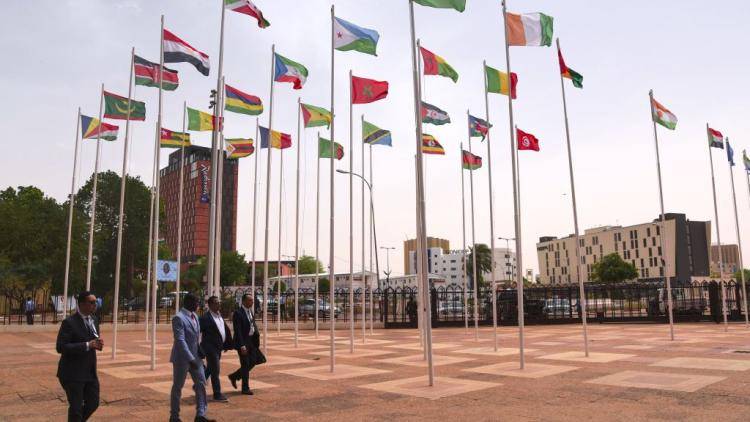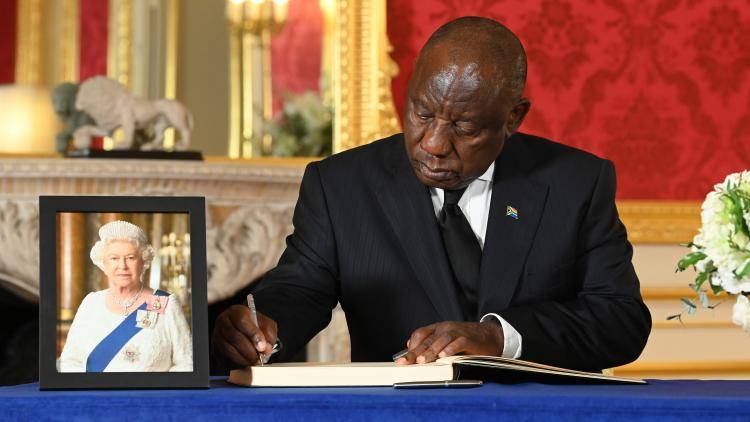
As African states pursue their foreign policy goals in an increasingly multipolar world, the Africa Programme examines the policy implications of these evolving international partnerships and the role of African multilateral leadership.
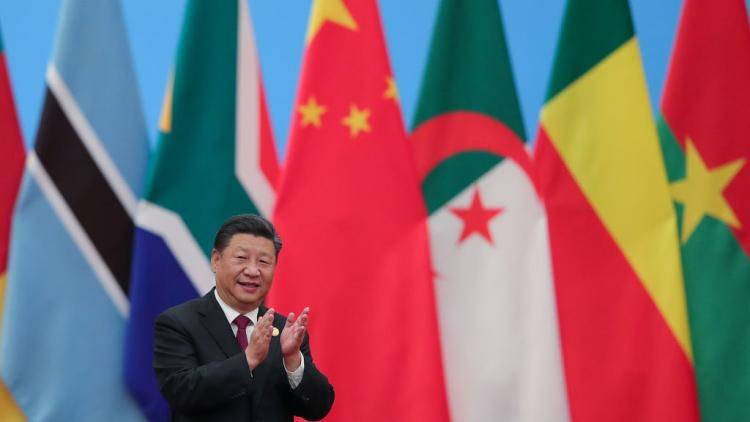
Through our research, events and commentary, the Africa Programme explores Africa’s relations with China, the European Union (EU), Russia and the US, as well as the milestone addition of the African Union (AU) to the G20 and what this means for Africa’s economic and geopolitical influence on the global stage. A series of research papers and events have also covered the foreign policy priorities and global aspirations of Tanzania, South Africa, the Democratic Republic of the Congo, Nigeria and Rwanda.
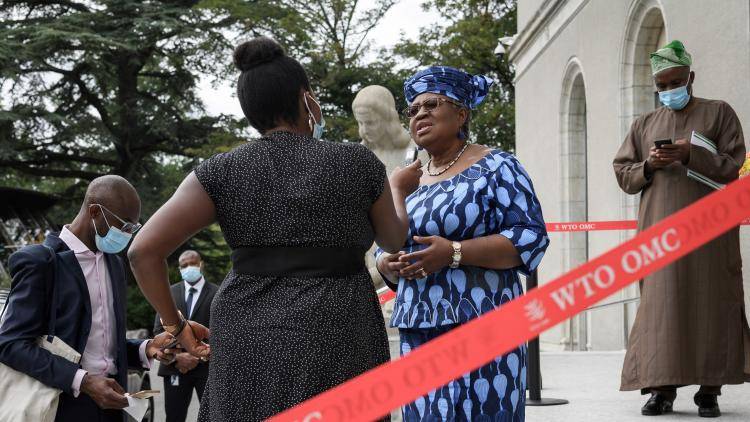
Despite being underrepresented in global governance structures, African states are increasingly advocating for fairer representation in global fora and multilateral institutions. The Africa Programme closely monitors their engagements in key bodies such as the UN, the AU and the Commonwealth, and how African perspectives on global challenges – including climate change – are evolving. We have collaborated with the Ministry of Foreign and European Affairs of the Republic of Slovenia and the European Commission on convenings around Africa’s energy transition, and the critical interplay between the green transition, development, peace and security.
Supported by Open Society Foundations, the Swiss Federal Department of Foreign Affairs and the UK Foreign, Commonwealth and Development Office, the Africa Programme has hosted visiting fellows to contribute research to inform and guide Mozambique and Sierra Leone during their terms as non-permanent members of the United Nations Security Council.