Conference

Global trade 2027

Join government officials, global business and civil society leaders to explore strategies for navigating economic uncertainty in an increasingly complex geopolitical landscape.


Event date and time: 17 March 2027 TO 18 March 2027 — 09:00 TO 13:00 GMT

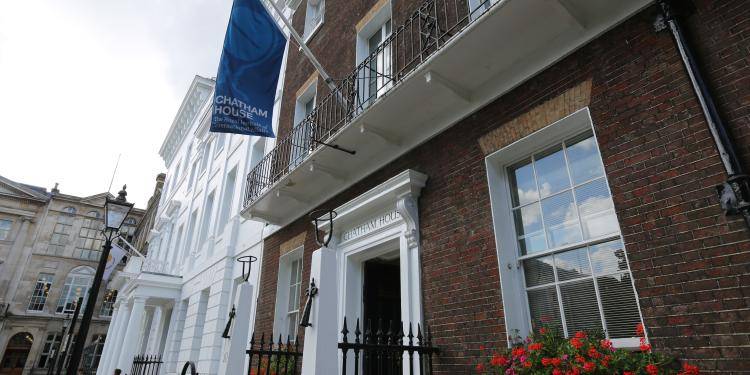
Event location: Hybrid — Chatham House and Online

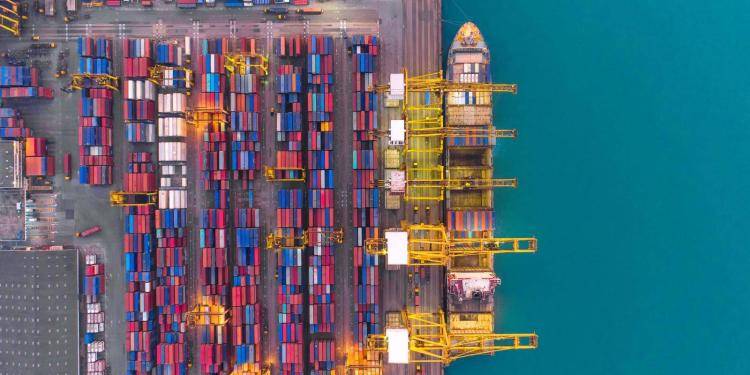
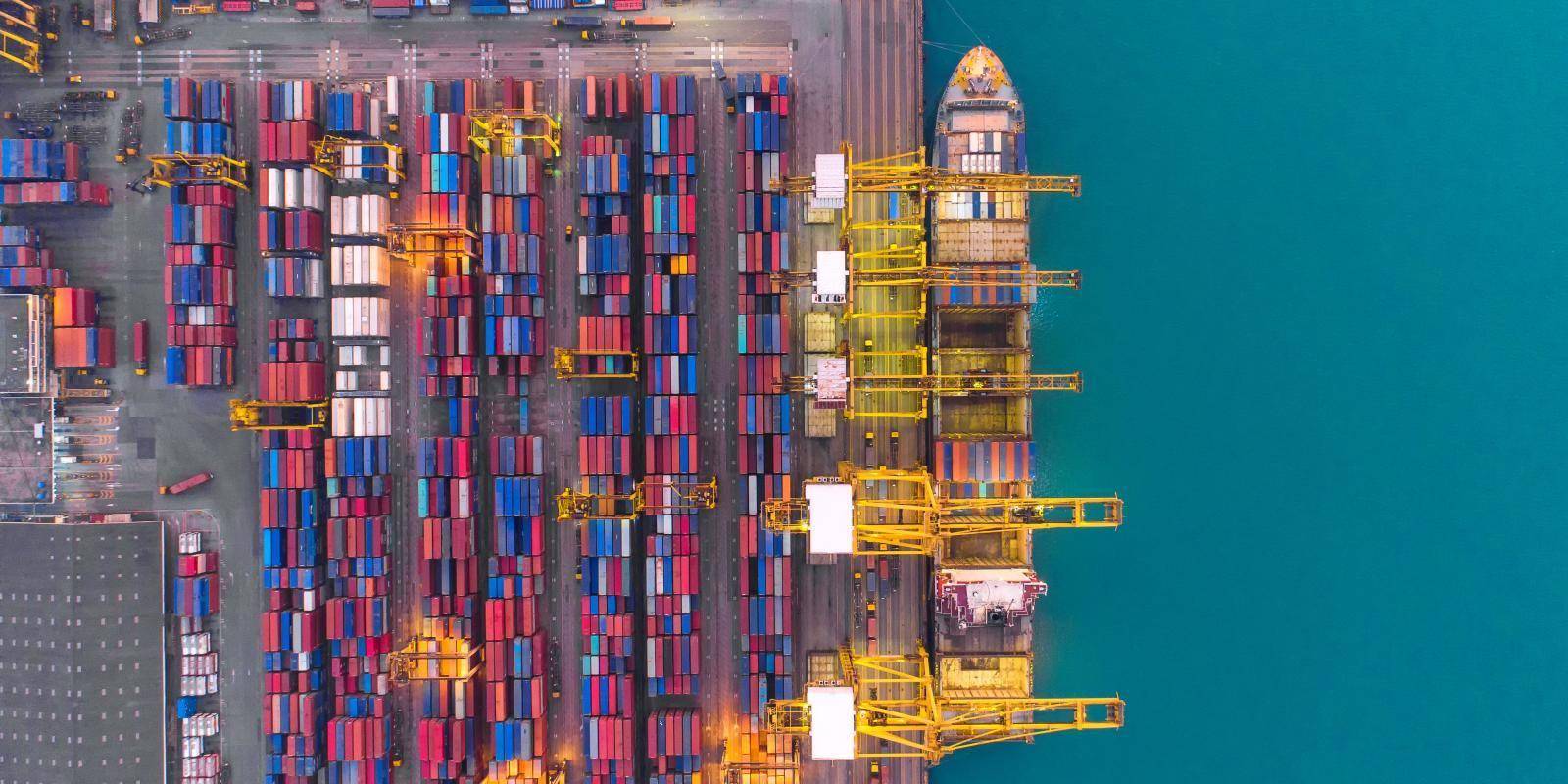
Global trade 2027 hero image

Navigating global economic uncertainty

Over the past year, climate and geopolitical shocks have increasingly arrived not as separate crises, but in tandem, exposing the interconnected vulnerabilities of energy systems, economies and societies. As temperatures edge beyond 1.5°C of warming, the international community has seen escalating climate extremes, with record-breaking heat, wildfires and severe floods affecting communities globally. At the same time, geopolitical fragmentation has persisted. The blockage of the Strait of Hormuz has reached the one-year mark, leading to 12 months of elevated energy and fertiliser prices and renewed concerns over the vulnerability of global supply chains. Attacks on critical infrastructure in Ukraine have underscored the need for the transition to electrification and renewables.

Yet, both the energy transition and broader climate mitigation efforts bring their own challenges. As countries race to decarbonize, new geopolitical pressures are emerging as nations compete for dominance in clean tech manufacturing, access to critical minerals, control of key supply chains and industrial leadership in the low-carbon economy. The chapter of unanimous climate negotiations and target-setting is giving way to a new era defined by the implementation of strategies in an age of disruption. Building resilience must now go hand in hand with accelerating the transition and tackling pressing climate change concerns.

During two days of high-level keynotes, panel dialogues, networking sessions, and spotlight sessions held under the Chatham House Rule, speakers and delegates will examine how governments, businesses and societies can manage mounting risks while maintaining energy security, economic prosperity and international cooperation towards the transition. What does climate and energy resilience mean in an era of intensifying shocks? And crucially, what does it mean for business?

Register today

Agenda

Wednesday 17 March

Setting the scene: global trade in 2027

Leading trade economists set the scene for the major trends and challenges emerging within the global trade landscape in 2027.  Key questions and areas for discussion include:

  • Has trade fragmentation hit a plateau?
  • Can global cooperation survive growing geopolitical rivalry?
  • How can the WTO adapt to growing pressures and the need for reform?
  • How can governments balance economic security, competitiveness, and sustainability within this challenging landscape?  
  • What are the emerging risks for 2027 and beyond? 
0900-1000

Keynote session

1000-1030

Networking break

1030-1100

Mind the trade gap: UK’s role on a global stage

  • How can trade policy support the UK’s growth and innovation, and boost competitiveness and productivity at home?
  • How can the UK use its G20 presidency to shape global trade governance?
  • Where can the UK genuinely exert influence in global trade and investment policy?
  • What are the biggest opportunities and challenges presented by the UK-EU reset?
  • What should be the UK’s priorities in a world where economic security increasingly butts up against the principles of free and fair trade?
1100-1200

Mission critical: how new technologies are shaping the geopolitics of trade

  • How is the demand for critical minerals in technology re-shaping alliances and trade partnerships, especially in rare-earth elements?
  • How do stakeholders overcome the uncertainty around future mineral utilisation in emerging technologies and address short-term supply shortfalls?
  • What lessons can policymakers learn about managing strategic dependencies from the experience of how semiconductor proliferation has taken place over the last decade?
  • What forms of global cooperation are needed to prevent critical minerals becoming a recurring source of geopolitical tension?
  • How will critical minerals and technologies shape the development of emerging economies?
1200-1245

Networking lunch

1245-1345

Spotlight session: China’s trade balancing act

This session is being held under the Chatham House Rule.

  • How will China respond to the growing global concerns about its trade surpluses?
  • How might the country use the power of its ‘chokeholds’ on critical sectors of the global 
    economy to further its international agenda?
  • How important is China’s exchange rate policy in shaping China’s competitiveness, and could currency policy changes address global trade imbalances?
  • Could a more integrated CPTPP and ASEAN landscape affect China’s influence in the Asia Pacific?  
  • What can we learn from China’s ability to compete at the frontier of AI and new technologies?
1345-1415

Trading blocs and building blocks: shaping a new economic alliance

  • Is there hope for the establishment of a permanent alliance of market-oriented economies – a ‘third pole’ in the global economy?  
  • What is the potential for the EU-CPTPP dialogue on trade and investment?     
  • Are regional trade agreements defensive mechanisms and stabilisers, or becoming the 
    building blocks of a new trade architecture? 
  • What is the potential impact of BRICS expansion on shaping a redistribution of economic 
    powers and influence? 
  • Which countries are best positioned to lead an emerging trade coalition?
1415-1515

Networking break

1515-1545

Bytes and borders: AI, data centres and digital infrastructure as the engine powering global trade

  • How have data centres become such a crucial element of strategic national architecture and how will this develop further over the next decade?
  • Who controls the infrastructure underpinning AI development, and what are the implications for global power?
  • How should government balance openness with concerns about technological sovereignty?
  • Which countries are best placed to benefit from the economic gains of AI?
  • How will AI and new technologies transform global value chains and patterns of international investment?
1545-1645

Spotlight session: supply chain resilience and water security

This session is being held under the Chatham House Rule.

  • How do geopolitical tensions and trade fragmentation affect countries’ ability to cooperate on shared water resources?
  • What does ‘resilience’ mean for supply chains exposed to water risk –and resilience for whom?
  • How can trade be a mechanism for better water stewardship, rather than relocating or exacerbating problems?
  • How are investors integrating water risk into their decision-making, and how can this build more resilient supply chains?  
  • What examples are there of water risk being priced, or otherwise factored, into trade or investment decisions today?
1645-1715

Thursday 18 March

International keynote session

0900-9300

Spotlight session: how US policies are shaping the global trade landscape

This session is being held under the Chatham House Rule.

  • In a post-Trump Presidency world, what will be the lasting impact of sanctions, tariffs and industrial policies on the global trade environment that the US finds itself situated in?
  • What do ongoing USMCA renegotiations tell us about the future of North America economic integration?
  • How much influence do domestic political pressures now have on US trade and industrial policy developments?
  • How are businesses and institutions adapting to increasing uncertainty around US foreign policy and trade policy?
  • Can the US stock market address its growing reliance on emerging technologies and build an economy more resilient and less prone to shocks? 
0930-1030

Networking break

1030-1100

Trade corridors and shipping chokepoints

  • What are the long-term implications of instability in the Strait of Hormuz and other major trade routes?
  • How is infrastructure diplomacy reshaping geopolitical influence?
  • What are governments and businesses doing to adapt to maritime risks and growing insecurity?
  • Could Arctic shipping routes become economically viable and geopolitically significant?
  • How might key markets, such as insurance, respond in the face of these threats and what does it say about future business confidence in a more geopolitically unstable environment?
1100-1200

Europe on the verge

  • How is the EU balancing openness and competitiveness with growing pressure to protect strategic industries?  
  • Are measures such as tariffs on green vehicles and clean tech from China hindering the path to net zero?
  • To what extent do current policies towards China remain compatible with WTO rule?  
  • How will local European elections and changing domestic priorities impact EU trade priorities?
  • What would a successful European trade strategy look like by 2030?
1200-1300

Who attends?