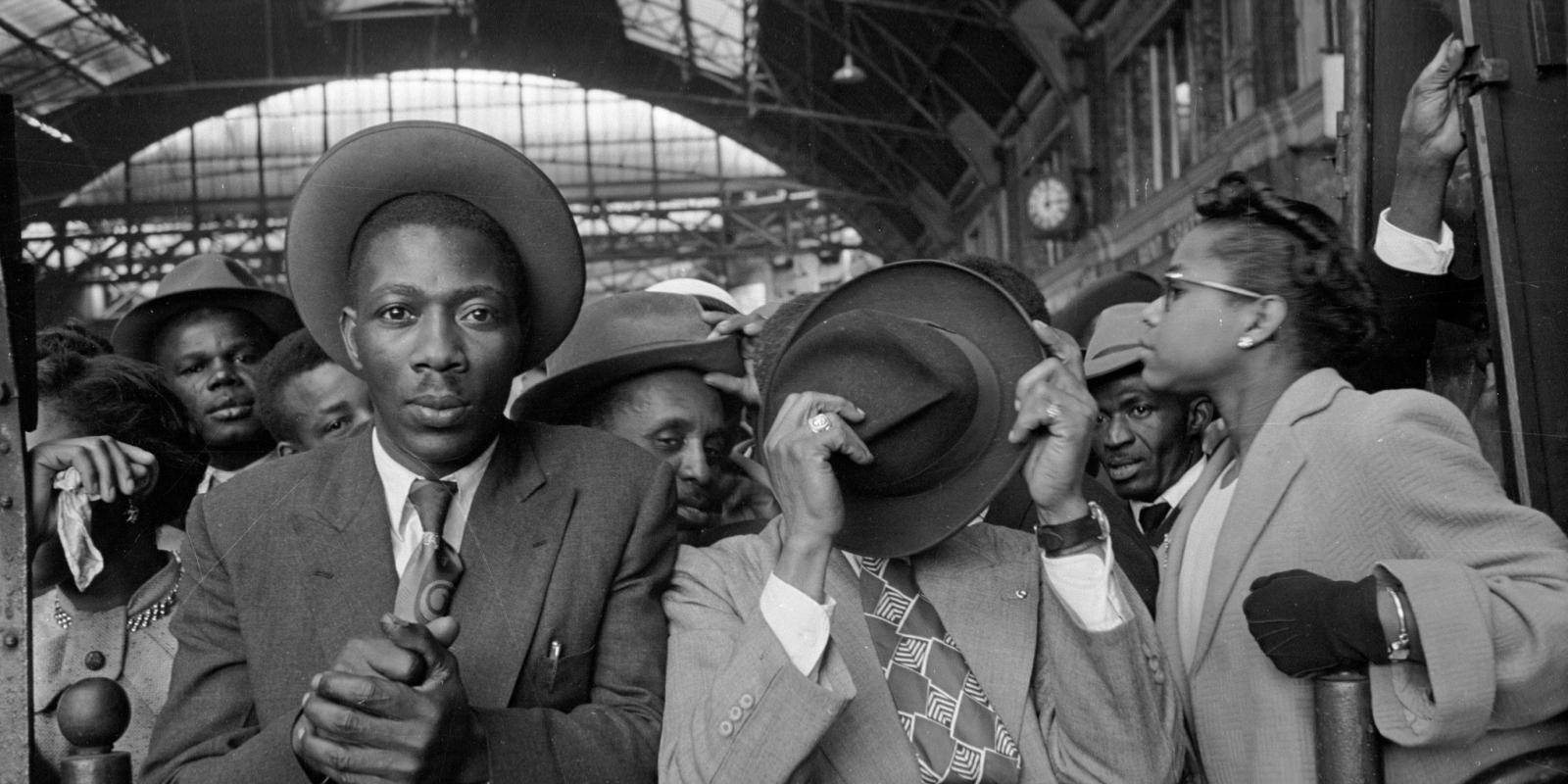

When the government of Barbados offered me the post of High Commissioner in London, I was so daunted at the prospect that I did not have the courage to ask the key question: Why me? At 46, I had no diplomatic experience and my varied CV − doing technical work for the Commonwealth and the Caribbean Community, administering charities and public bodies and serving as an Anglican priest − hardly fitted me to serve as envoy to the Court of St James.
Now, three and a half years later, and having played a role in highlighting the Windrush Generation scandal that rocked the British government in April, I am finally comfortable referring to myself as a diplomat, and proudly as a guerrilla diplomat.
Why guerrilla? The term is borrowed from an engaging book, Guerrilla Diplomacy: Rethinking International Relations by Daryl Copeland, a retired Canadian diplomat who sets out to reinvigorate the craft.