How Dodik’s bid to cling to power could reignite Bosnia’s frozen conflict

Thirty years after the Dayton Accords brought an uneasy end to a catastrophic war, an election to replace the banned leader of the country’s Serbian enclave is stoking tensions, writes Helen Fitzwilliam.

The World Today

Published 15 September 2025

Updated 17 September 2025 — 5 minute READ

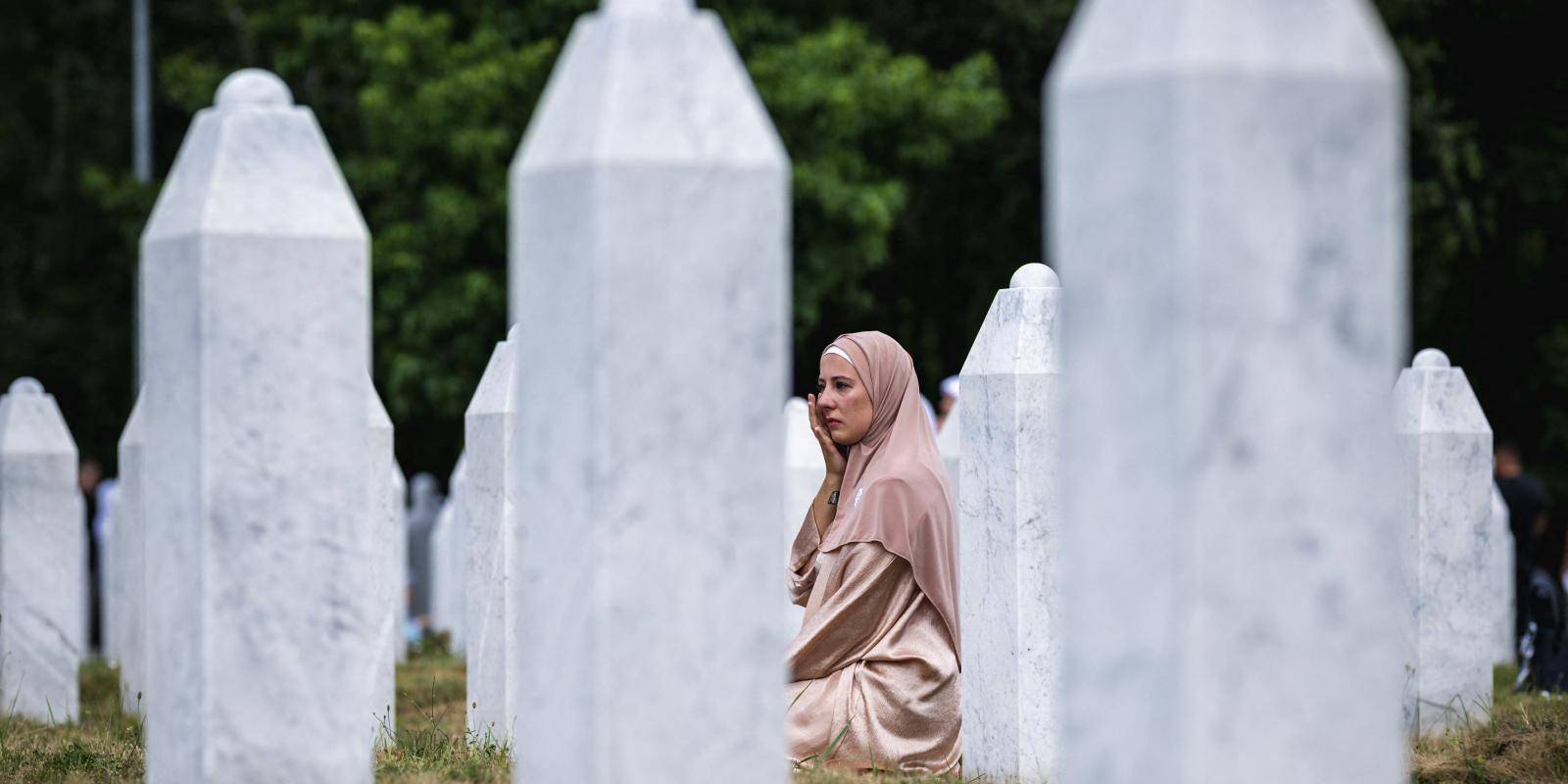
Image — A woman visits the cemetery in Potocari, a memorial to the victims of the 1995 Srebrenica massacre in which 8,000 Bosniak men were killed by Serb forces. Photo: Andrej Isakovic/ AFP/ Getty Images.

Helen Fitzwilliam

Journalist and Filmmaker, Freelance

‘I get so tired of this endless ethno-nationalism,’ a young man in Sarajevo told me, 30 years after the war in Bosnia was declared over. ‘It’s as if we can’t look to the future but are forever hostages to the past.’

The war killed more than 100,000 people, and its underlying sectarian divisions are still far from resolved. November marks the anniversary of the 1995 Dayton Peace Accord, an agreement thrashed out at a US Air Force Base in Ohio. Sixty thousand peacekeepers were sent to make it stick alongside an international High Representative who could impose laws to oversee the deal.

Access the archive

The current issue is open access with previous editions reserved for our members and magazine subscribers.

Subscribe