Chatham House – International Affairs Think Tank logo Chatham House – International Affairs Think Tank

Popular searches:

  • Internship
  • China
  • Belarus
  • Brexit
  • Iran
  • Russia
  • Covid-19
Sign in Support us Search

Main navigation

  • Topics
    Back

    Topic Themes

    • Defence and Security
      Back

      Defence and Security

      • Arms Control
      • Drugs and Organized Crime
      • European Defence
      • Peacekeeping and Intervention
      • Terrorism
      • North Atlantic Treaty Organization (NATO)
    • Economics and Trade
      Back

      Economics and Trade

      • Drugs and Organized Crime
      • Brexit
      • BRICS Economies
      • China's Belt and Road Initiative (BRI)
      • International Finance System
      • International Trade
      • Investment in Africa
      • World Trade Organization (WTO)
      • G7/G8 and G20
    • Environment
      Back

      Environment

      • Agriculture and Food
      • Circular Economy
      • Clean and Renewable Energy
      • Climate Policy
      • Energy Access and Governance
      • Managing Natural Resources
    • Health
      Back

      Health

      • Access to Healthcare
      • Health Strategy
      • Coronavirus Response
      • World Health Organization (WHO)
      • United Nations
    • Institutions
      Back

      Institutions

      • World Trade Organization (WTO)
      • World Health Organization (WHO)
      • African Union (AU)
      • European Union (EU)
      • G7/G8 and G20
      • North Atlantic Treaty Organization (NATO)
      • United Nations
    • Major Powers
      Back

      Major Powers

      • China's Belt and Road Initiative (BRI)
      • America's International Role
      • China's Relations
      • US Domestic Politics
      • US Foreign Policy
    • Politics and Law
      Back

      Politics and Law

      • Brexit
      • US Domestic Politics
      • Democracy and Political Participation
      • Demographics and Politics
      • Human Rights and Security
      • International Criminal Justice
      • Refugees and Migration
      • Gender and Equality
      • Disinformation
    • Society
      Back

      Society

      • Drugs and Organized Crime
      • Brexit
      • Circular Economy
      • Human Rights and Security
      • Refugees and Migration
      • Civil Society
      • Digital and Social Media
      • Future of Work
      • Gender and Equality
      • Radicalization
      • Disinformation
    • Technology
      Back

      Technology

      • Digital and Social Media
      • Future of Work
      • Radicalization
      • Cyber Security
      • Data Governance and Security
      • Technology Governance
      • Disinformation
    View Topics A-Z
  • Regions
    Back

    Regions

    • Africa
      Back

      Africa

      • Angola
      • Central Africa
      • East Africa
      • Horn of Africa
      • Nigeria
      • Southern Africa
      • West Africa
    • Americas
      Back

      Americas

      • Canada
      • Central America and Caribbean
      • South America
      • United States of America
    • Asia-Pacific
      Back

      Asia-Pacific

      • Afghanistan
      • China
      • India
      • Japan
      • Korean Peninsula
      • Pakistan
      • South Asia
      • Southeast Asia
      • The Pacific
    • Europe
      Back

      Europe

      • Central and Eastern Europe
      • France
      • Germany
      • Turkey
      • United Kingdom
      • Eurozone
    • Middle East and North Africa
      Back

      Middle East and North Africa

      • Egypt
      • Gulf States
      • Iran
      • Iraq
      • Israel and Palestine
      • Libya
      • Maghreb
      • Syria and the Levant
      • Yemen
    • Russia and Eurasia
      Back

      Russia and Eurasia

      • Central Asia
      • Russia
      • South Caucasus
      • Ukraine
    View Regions A-Z
  • Events
  • Publications
    Back

    Publications

    • Books
      Books in the Chatham House Library.
    • International Affairs Journal
      Display copies of International Affairs at an event in Hamburg, Germany.
    • Journal of Cyber Policy
      A close up of the cover of the Journal of Cyber Security.
    • The World Today Magazine
      The World Today - Cover Oct/Nov 2020
  • Become a Member
    Back

    Become a Member

    • Associate Membership
      Nathan Robinson, editor of Current Affairs, speaks at our primer on Democratic Socialism.
    • Corporate Membership
      Amal Clooney speaks at our members event on the use of sanctions to protect journalists.
    • Individual Membership
      A member takes the opportunity to ask the panel a question at our event on the digital revolution.
    • Gift Membership
      Sir David Attenborough and HRH Queen at CH Prize
  • Leadership Academy
  • About us
    Back

    About us

    • Annual Reviews
      A guest tries on a virtual reality headset at our 2018 "Reinventing the Building" event.
    • Careers
      Woman offers a high five to co worker
    • Chatham House Rule
      Speakers at an event listen to a question
    • Contact us
      Woman with laptop and mobile phone
    • Our Departments
      Three guests at a Chatham House event
    • Our Funding
      A detail of the Chatham House front door
    • Our Governance
      Her Majesty The Queen's signature
    • Our History
      Sketch of Ghandi at Chatham House
    • Our Mission and Values
      Guests at the 2018 Reinventing Fashion event
    • Our People
      Robert Bosch Stiftung Academy Fellowship
Support us
Sign in Go to sign in

The Geopolitical Implications of Future Oil Demand

The geopolitics of oil have played a central role in international relations. Some would argue that geopolitical rivalry over access to oil has been the source of much of the conflict in the 20th century. The rise of renewables in the current energy transition could well change this status quo.

Research Paper 14 August 2019 ISBN: 978 1 78413 325 2

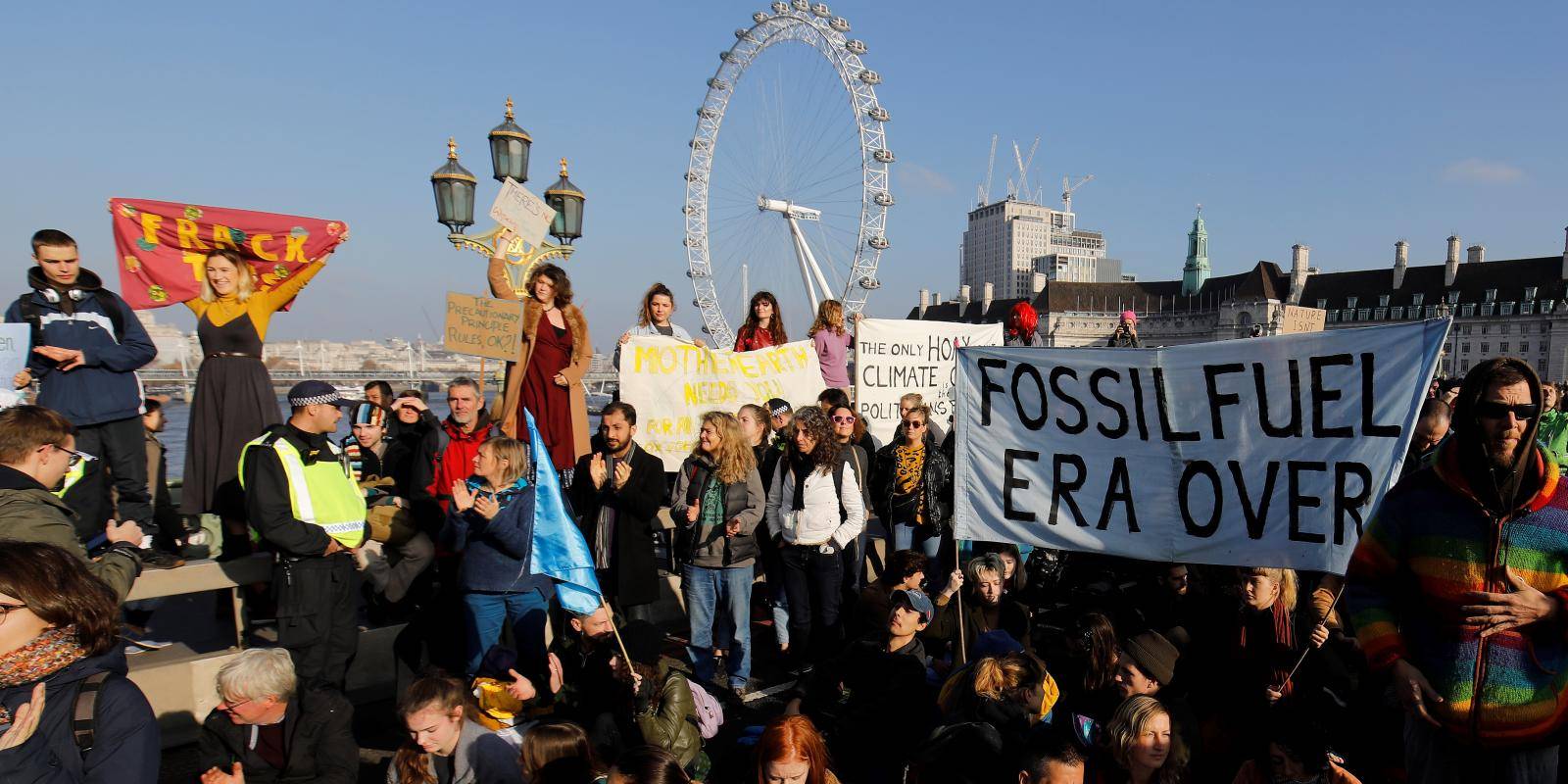
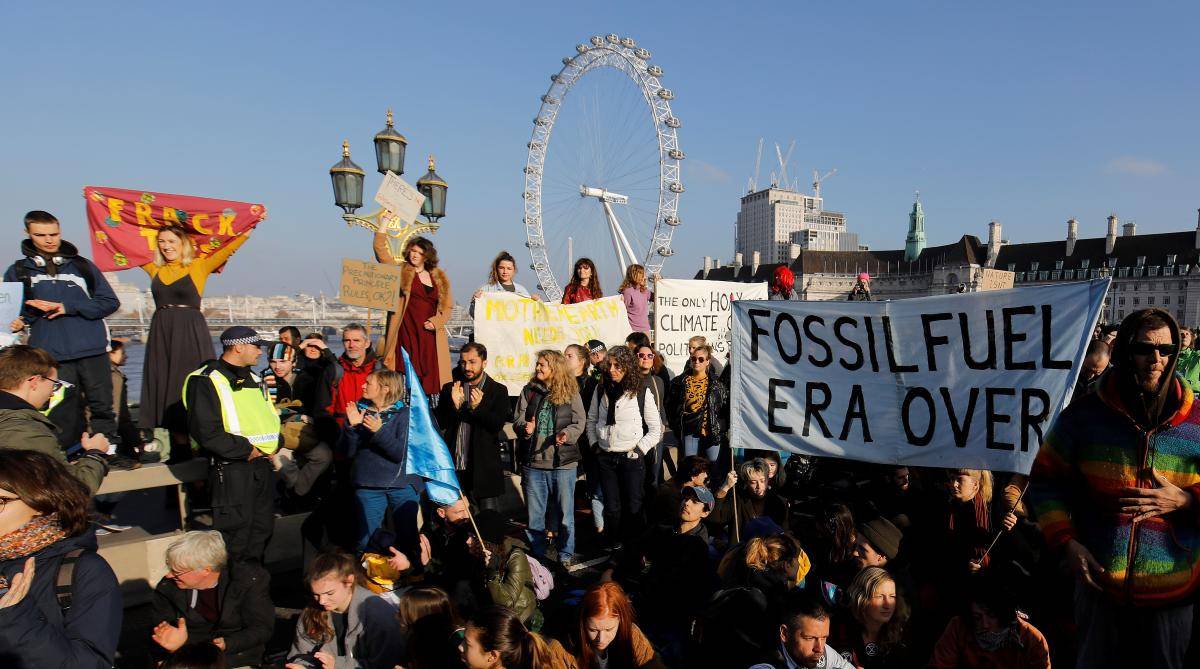
A pro-environment protest, organized by Extinction Rebellion, takes place in central London on 17 November 2018. Photo: Copyright © Tolga Akmen/Getty

Professor Paul Stevens

Distinguished Fellow, Energy, Environment and Resources Programme

  • Email Paul

Topics

  • Clean and Renewable Energy

Departments

  • Energy, Environment and Resources Programme
Download PDF

You are viewing: Summary

You are viewing: The Geopolitical Implications of Future Oil Demand

The Geopolitical Implications of Future Oil Demand
  • Summary
  • 1. Introduction⌄
    • What are the triggers and reinforcing factors that drive this transition?
    • What is the speed and depth of the transition?
    • Is the long-term demand for oil being overstated?
    • Why is the energy establishment underestimating the speed and depth of the transition?
    • What policy options are available to countries that will face the negative consequences of the transition?
    • What are the geopolitical implications of the current energy transition as it unfolds?
  • 2. Energy Transitions in History⌄
    • A brief history of energy transitions
    • The lessons from history
  • 3. The Current Energy Transition⌄
    • The environmental triggers: climate change and urban air quality
    • The reinforcing factors
  • 4. Long-term Oil Demand is Being Overstated
  • 5. Attitudes to the Current Transition⌄
    • The ‘energy establishment’
    • The financial community
    • The consultancies
    • Others
    • Academia
  • 6. Conclusions to the Current Energy Transition and its Implications⌄
    • Policy options for vulnerable countries to manage the transition
  • 7. What are the Geopolitical Implications of the Energy Transition?
  • 8. Areas of Future Interest to be Explored
  • References
  • About the Author
  • Acknowledgments
Loading, please wait

Summary

The global energy economy is undergoing a rapid transition from ‘hydrocarbon molecules to electrons’: in other words, from fossil fuels to renewables and low-carbon electricity. Leading energy industry players and analysts – the energy-forecasting ‘establishment’ – are seriously underestimating the speed and depth of this transition. This in part reflects the vested interests that dominate that establishment. By contrast, the financial sector – which has little or no vested interest in fossil fuels – understands what is going on and is taking the transition on board.

The history of past energy transitions – including the US’s shift from wood to coal in the late 19th and early 20th centuries, and the French adoption of nuclear power on a wide scale in the 1980s – provides useful context for analysis of this trend. Such transitions have been triggered by factors ranging from market upheaval to technological change, with the technological element typically reinforcing the transition.

A similar dynamic, involving triggers and reinforcing factors, is in evidence today. The current transition in the global energy system has been triggered, in the first instance, by concerns over climate change and recognition of the imperative of shifting to a lower-carbon economy. In some places, growing concerns over urban air quality have overtaken climate change as a driver of government policy in support of the transition. The reinforcing factors include the falling costs of renewables and the rapid market penetration of electric vehicles (EVs). To these factors can be added ongoing uncertainty over the possibility of another oil price shock; and rises in oil product prices that are independent of movements in crude oil prices – a phenomenon sometimes known as ‘OECD disease’.

If the transition to renewables and low-carbon electricity happens faster than the energy establishment anticipates, the implications for exporters of oil and for the geopolitics of oil will be very serious. For example, the failure of many oil-exporting countries to reduce their dependence on hydrocarbon revenues and diversify their economies will leave them extremely vulnerable to reduced oil and gas demand in their main markets. The countries of the Middle East and North Africa (MENA) region will be particularly exposed, with the possible consequences including an increase in the incidence of state failure in a region already suffering the fallout from having signally failed to address the causes of the Arab uprisings since 2011. Increased political and economic turbulence in the MENA region would also have the potential to create serious migration problems for Europe.

The geopolitics of oil over the past 120 years have played a central role in international relations. Indeed some would argue that geopolitical rivalry over access to, and control of, oil supplies has been the source of much of the conflict witnessed in the 20th century (Yergin, 1991). The rise of renewables implicit in the current energy transition could well change this status quo. Renewables are widely used and widely produced. Currently, their availability is constrained neither by the agendas of dominant fuel suppliers nor by the threat of physical disruption to the strategic transit routes along which traded resources are typically shipped. There are certainly supply constraints associated with some minerals required for renewable energy technologies, but these hardly compare with the conflicts around oil supply, and most such constraints, in any case, are easily managed. Thus, as this energy transition proceeds, oil geopolitics will begin to fade away as an issue of concern.
Back to top
Next chapter

Subscribe to our emails

To receive the latest content and events on the areas that interest you.

Follow us on social

  • Follow us on Facebook
  • Follow us on Twitter
  • Follow us on Instagram
  • Subscribe to our YouTube channel
  • Follow us on LinkedIn
  • Follow us on Medium
  • Follow us on SoundCloud
  • Subscribe to our shows on Podcasts
  • Follow us on Flickr
  • Take an RSS feed of our content

Popular links

  • Careers
  • Chatham House Rule
  • Library
  • Press Office
  • Simulation Centre
  • Undercurrents Podcast
  • Venue Hire

Chatham House is a world-leading policy institute with a mission to help governments and societies build a sustainably secure, prosperous and just world.

Footer

  • Accessibility
  • Privacy Notice
  • Cookie Settings
  • Staff Access
  • Terms of Use

© Chatham House 2021