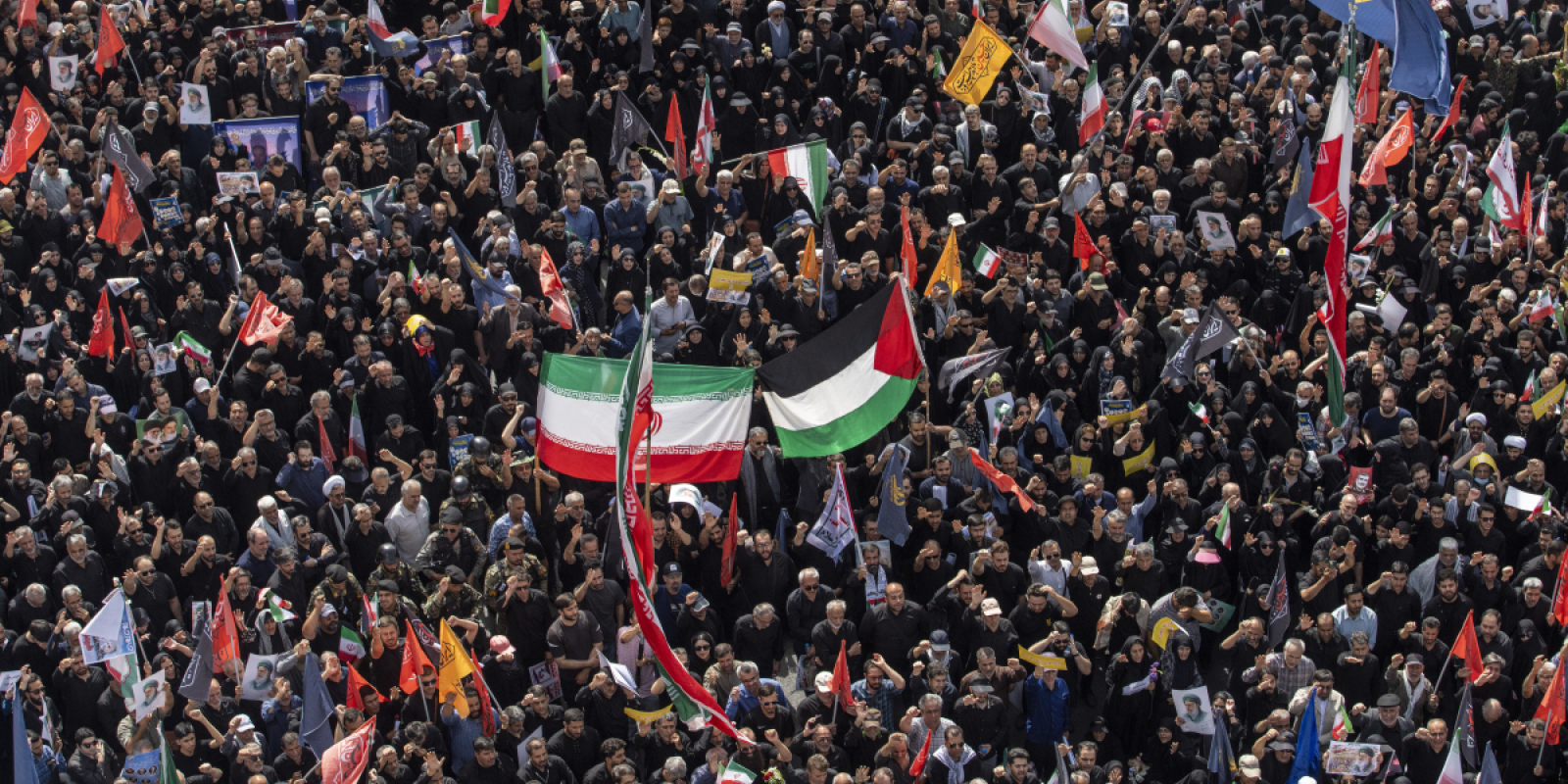

The sirens warning of Israeli and Iranian missiles have ended across those two countries and their neighbours. But the uncertainty that remains will impede efforts to end Israel’s continuing activities in Gaza and the West Bank, and that risks further destabilizing the region.
The most immediate questions are whether Iran’s nuclear weapons programme has survived. Claims and counterclaims continue; Israel asserts obliteration of Iran’s nuclear programme, but while Iran acknowledges extensive damage it also declares victory.
It is clear from the targeted Israeli assassinations of military leaders and nuclear scientists that Iran is thoroughly penetrated by Israeli and other intelligence agents. Those agents will now be pursuing one question above all others: what has happened to the 408kg of highly enriched uranium that Iran is known to have? This could be used on its own to make a least one rough nuclear weapon, or with one more stage of enrichment, into the material for around nine efficient nuclear weapons.
The second uncertainty is whether Iran has retained centrifuges that could perform that enrichment. These linked ‘cascades’ of tall cylinders, needing high and steady power supply, are fragile. All known sites of these were demolished in the Israeli and US strikes. But there is uncertainty about whether Iran might have built a small assembly at a site it had not declared to the IAEA, the UN nuclear watchdog.
The IAEA’s latest report, just before Israel’s strikes, declared Iran not to be in compliance with the requirements of the Nuclear Non- Proliferation Treaty, to which it is a signatory.
It also said that as Iran had withdrawn from the Additional Protocol, an extra inspection regime designed to prevent the kind of secret ‘breakout’ which North Korea managed in its dash for a weapon, and that it had lost much of its ability to track where Iran had put its nuclear material.
For Israel’s part, it may feel that it can rely on spies to tell it if Iran restarts the programme, but there is a widespread belief among officials, both Western and in the region, that Iran will try to play for time in negotiations and will secretly rebuild as much as it can.
For Israel, such negotiations could be a constraint, limiting its licence to keep striking Iran if it felt there was cause. But the US will probably back negotiations if Iran seems willing; Trump shows every sign of wanting to declare a victory now and avoid further military engagement.
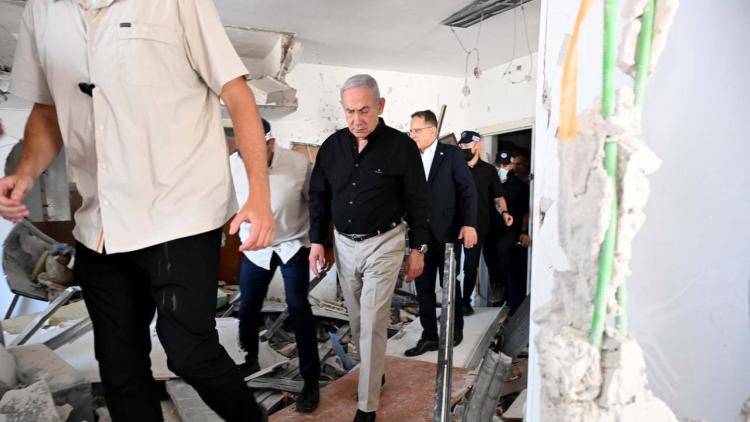
For the region, the uncertainty over Iran’s capabilities and the possibility of further Israeli action will not help resolve the worst live conflicts. Israel’s attack on Iran distracted international attention from the near-famine and daily death toll in Gaza, and deflected criticism from the UK, France and Germany of its actions there. It also at least temporarily silenced domestic criticism of Prime Minister Benjamin Netanyahu over the strategy in Gaza, his failure to extract the remaining hostages or to complete his purported mission: the eradication of Hamas.
Netanyahu appears determined to press ahead with his hardline cabinet members’ aims: to seize control of Gaza and to support settlers in the West Bank seizing land and harassing Palestinian farmers. The US is the only power that can realistically stop Israel but under Trump shows no sign of doing so; its ambassador, Mike Huckabee, has said the US is no longer pursuing a two-state solution.
