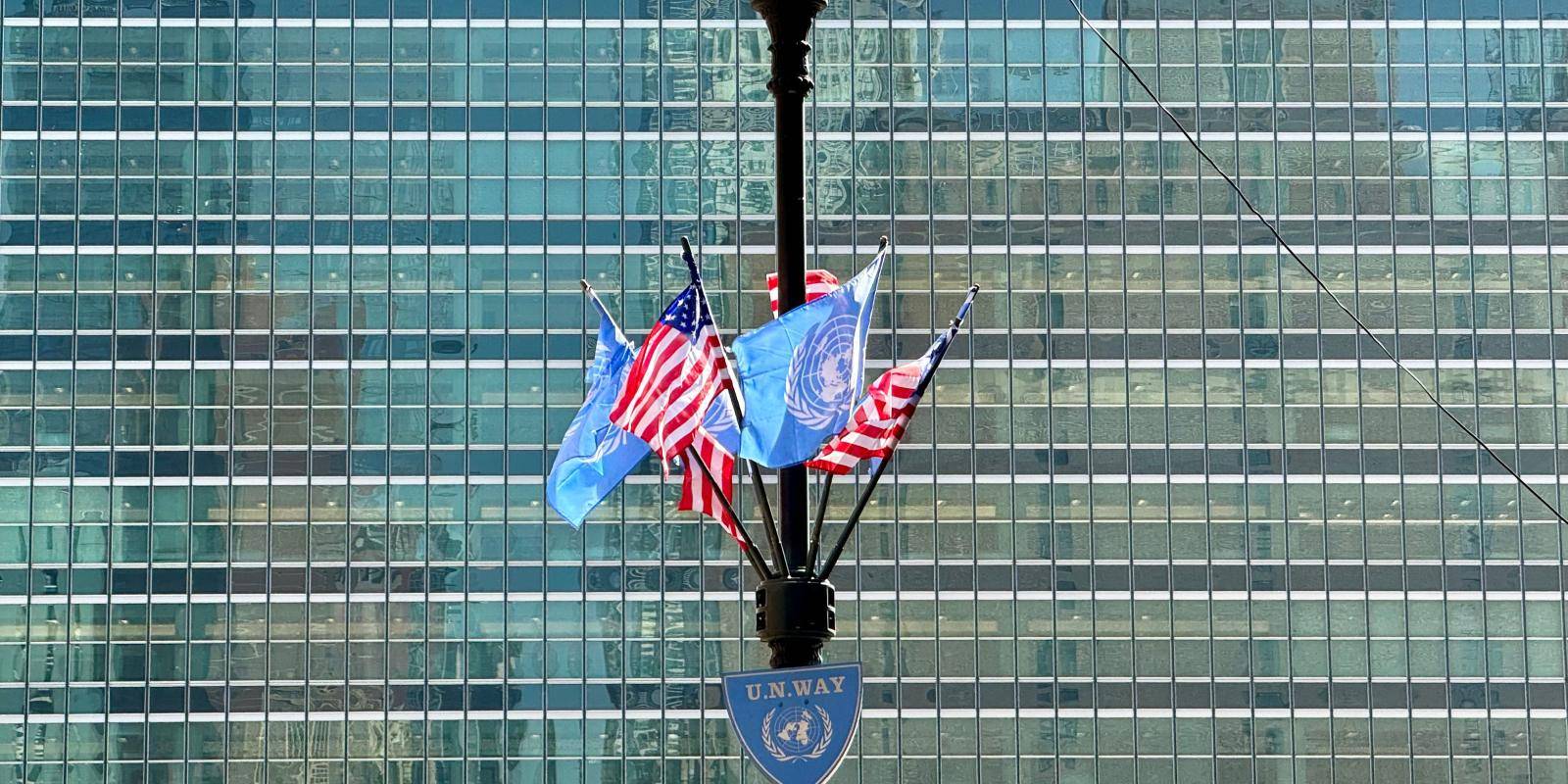

Leaders gather in New York this week to mark the 80th anniversary of the United Nations. The theme of this year’s UN General Assembly (UNGA) is ‘Better together: 80 years and more for peace, development and human rights’, seeking to emphasize the enduring value of cooperation.
But compelling evidence for this vision is hard to find these days. It has been a troubled year for the UN, amid divisions among major powers, growing suspicion of institutions and greater emphasis on domestic issues. This trend has been particularly strong in the United States, the host country to the UN and its largest financial backer.
Nonetheless, the show will go on this week. Delegates from 193 member states will attend major UN events on climate, development finance, Palestinian statehood, and AI governance, along with an array of bilateral meetings and side events. As they take stock of massive challenges to the global system, they must confront the changing role of the US.
Making the UN Great Again
Since returning to power in January, the Trump administration has taken a jackhammer to the UN. It has withdrawn (again) from major UN institutions, cut $1 billion in funding and fired over a thousand US experts whose portfolios reinforced major UN functions.
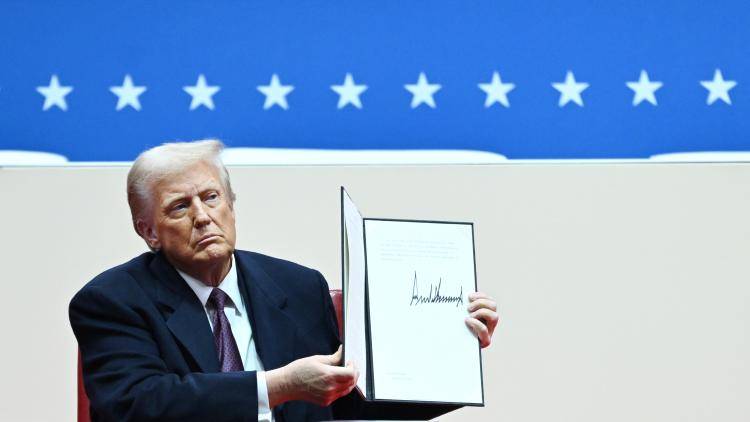
Despite this, the US administration has – at least rhetorically – stated a desire to remain engaged in the UN. In his Senate hearing this summer, US Permanent Representative to the United Nations Michael Waltz nodded to the UN’s value as the one place where ‘everyone can talk…to resolve conflicts’.
Waltz outlined his vision for a more focused, reformed institution. A UN focused on preventing and resolving disputes with a new approach to peacekeeping. A UN that offers transparency in its budget, combats antisemitism and abandons ‘radical politicization’ of US domestic politics. He pledged strong US leadership to counter China’s influence at the UN and a steady US voice in UN standard-setting bodies in aviation, telecom and intellectual property. ‘I’m confident we can Make the UN Great Again’, Waltz concluded.
Previous Democratic administrations have promoted similar goals – particularly on budget transparency, China and standard setting – though they believed greater US influence would flow from first paying its bills and rejoining institutions. The Trump administration may be testing an inversion of this strategy: weaken first and reengage later.
This week, the US will roll out its ‘weaken’ strategy, by countering elements of the UN’s programme and offering alternative approaches to long-agreed norms. It hopes to combat the ‘bloated bureaucracy that compromises national sovereignty and pushes destructive ideologies like DEI’. A US-hosted event reportedly aims to reshape practices surrounding asylum and immigration.
Perhaps the starkest illustration of this strategy will be on display at the Question of Palestine summit, which aims to build support for a Palestinian state. While the UK, Australia, Canada and Portugal have all announced their recognition of Palestine in the run-up to UNGA, the US has made headlines by denying over 90 visas for the Palestinian delegation.
Washington seems undecided whether it wants to simply weaken the UN, or whether it wants to pursue a proactive agenda to ‘make it great again’ by revitalizing its core function. ‘There are great hopes for it but it’s not being well run…they’ve got to get their act together’, President Trump said of the UN in February. To build the more responsive peace and security toolkit it has said it wants, the Trump administration will need to decide whether it wants to dive into the roots of the UN system to test the power of financial conditionality.
UN peace and security agenda could be key to maintaining US support
Just as the US is unsure of its approach to the UN, the UN has yet to settle on a viable strategy towards the US.
In the first Trump administration, UN Secretary-General Guterres sought to forestall a broader collapse of the system by cultivating personal ties with Trump and practicing strategic patience. Now, Guterres is trumpeting his UN80 Initiative, a series of incremental reforms to streamline UN bureaucracy and improve cost effectiveness. Unfortunately, it risks feeling like branch pruning as the tree trunk pulls at the roots.
Partners who seek an enduring US role at the UN – including the UK and other European countries – likely now recognize that simply ‘waiting it out’ will not work. This position has avoided hard questions about the UN system and its foundational norms absent its most influential member, though answers are not readily apparent.