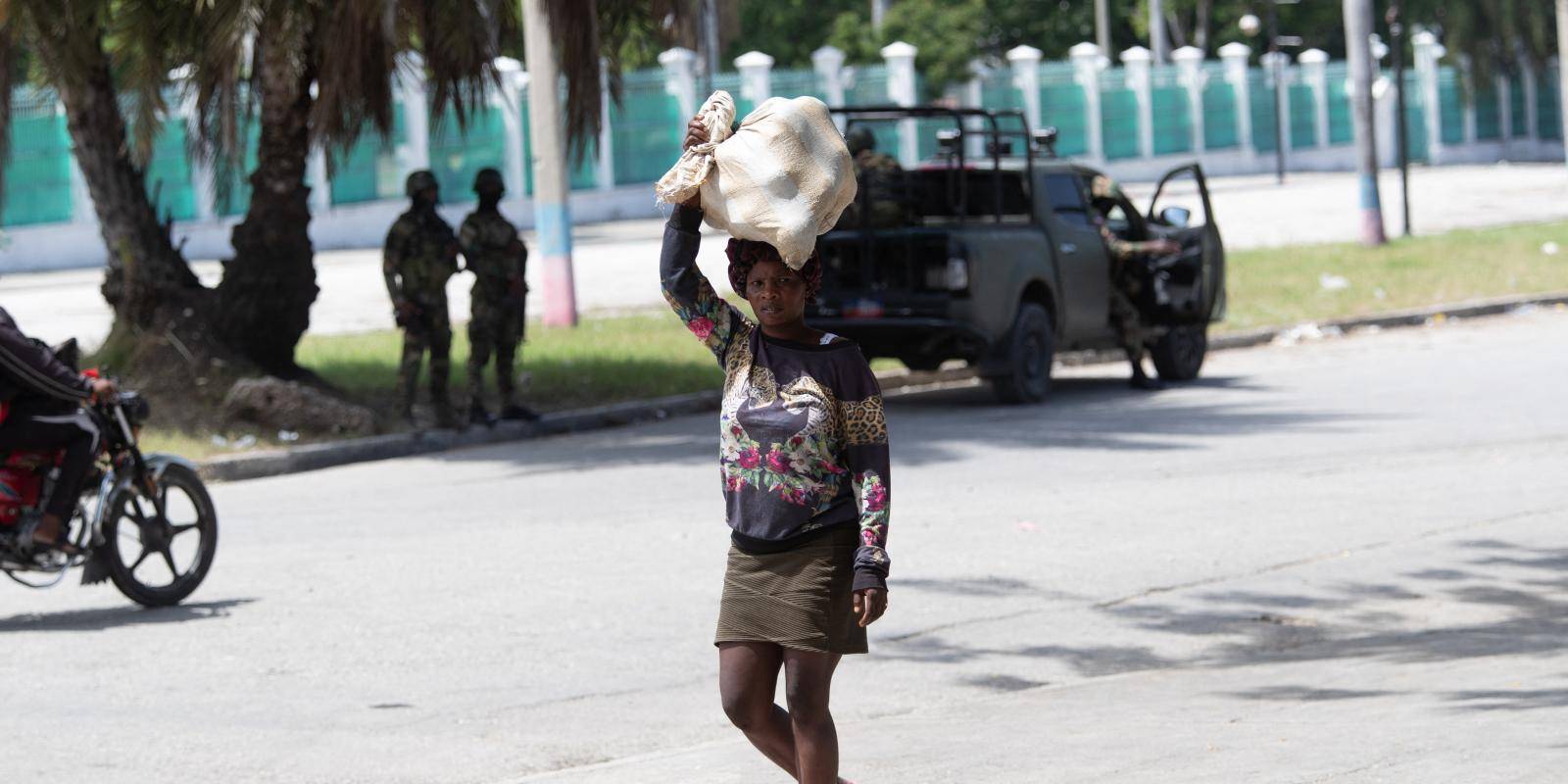

Only a few months ago, the idea that the UN Security Council (UNSC) would approve a resolution to increase its commitment to Haiti seemed a chimera – despite a prolonged security crisis in the country. More than 1 million Haitians have been displaced by violence. And more than 90 per cent of the capital city is under the control of criminal gangs – who are now extending their reach to rural areas.
China and Russia vetoed previous attempts by President Joe Biden’s administration to establish a UN Peacekeeping mission for Haiti. Plans for an alternative, multinational security support mission (MSS), floundered on the lack of voluntary financial contributions and the reluctance of countries – except Kenya – to commit technical assistance and boots on the ground.
Originally approved by the UNSC in October 2023, the MSS only managed to muster 800 Kenyan police officers. The original plan called for 2,500 international forces. The Kenyans found themselves severely outgunned, and despite some forays to take on the gangs, have been largely holed up in their barracks in Port-au-Prince. The situation in the country looked dire.
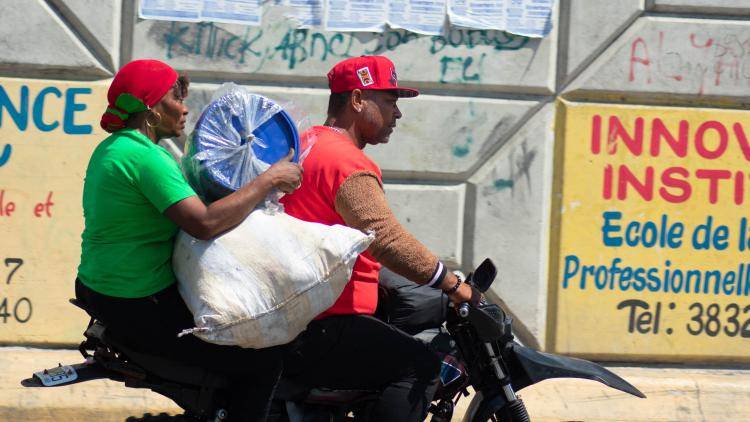
But on 30 September this year, thanks to US, Canadian and Global South leadership, the UNSC approved a ‘gang suppression’ mission to support Haiti. In the end, it took China and Russia’s abstention to get it passed.
There is still much to do to raise the funds and forces necessary to translate the UN resolution into an operational force in Haiti. And help will not come quickly. Some predict it will take six to 12 months before any mission will be fully in place. Most importantly, Haiti’s governance must be addressed, so that a government with local legitimacy can coordinate with the new mission.
Currently, Haiti is governed by a Transitional Presidential Council (TPC). It was established in April 2024 after the previous interim president, Ariel Henry, was prevented from returning to Port-au-Prince by gangs who had seized the airport. The TPC is scheduled to dissolve in February. The urgent question now is, how should it be replaced?
A victory for hope
Despite the challenges, the UNSC vote is a genuine victory, and not only for Haitians. It also provides hope for a multilateral system hobbled by broader geopolitical battles.
The outlook for a successful resolution had arguably never been tougher. China’s agreement to abstain was particularly hard to achieve, according to one source – even more than on other resolutions. Presumably that was because of the framing of the resolution as a ‘gang suppression mission’ – and President Donald Trump’s provocative speech at the UN General Assembly the previous week. The president had insulted the UN and publicly challenged China, polluting the public discussion and making it difficult to align with a US initiative.
The fact that the resolution passed despite that atmosphere is remarkable. In the end, it was the support of Global South countries like Mexico and Panama that proved decisive.
The vote also signalled the international community’s willingness to overcome considerable fatigue relating to Haiti’s crises. Before it, governments had come to feel that nothing could be done to resolve Haiti’s seemingly persistent cycle of underdevelopment, state collapse and security emergency.
The Rough Road Ahead
Now global forces may be shifting in Haiti’s favour. One of the rallying cries has become, ‘not another rescue for Haiti – but the last one’.
For that to become reality, the mission must pursue greater objectives than to cobble together elections as quickly as possible as an exit strategy (an approach that undermined previous missions) or take out gang leaders.
The international community needs to mobilize around the new resolution to restore security while also rebuilding institutions, restoring justice and promoting the conditions for long-term development. That will require long-term commitments in funding, forces and forward thinking.
Last week, Canada stepped up with a pledge of $60 million dollars to support maritime security, aiming to choke off the flow of guns into Haiti and illicit commerce out of it. That upfront commitment may well have helped smooth the way for the UNSC approval of the ‘gang suppression’ resolution. It also demonstrated Canada’s willingness to lead on this issue and bolster multilateralism in the face of declining faith in international institutions.
The largest shadow looming over the new UN resolution is the fate of Haiti’s Transitional President Council (TPC ).