
Egypt has responded to the Iran war by actively engaging in diplomacy and mediation. This strategy is not aimed at fighting for influence or competing with Pakistan for the role of the main mediator. Rather, it is designed to achieve Egypt’s central objective of ending the war.
This reflects Egypt’s wider approach of risk-management in a volatile region as it seeks to defend its interests, establish stability near its borders and revive its ailing economy, which has been further strained by the war.
Egypt’s response to the war
Egypt condemned Israel’s previous strikes on Iran in June 2025, and reportedly pushed for de-escalation before the US-Israeli attack on Iran in late February 2026. However, Cairo did not publicly condemn these US-Israeli strikes, reflecting the depth of US deep involvement this time.
Since then, Cairo has condemned Iran’s strikes on Gulf countries. It has deployed Rafale fighter jets and air defence systems to the UAE and other Gulf states.
President Abdel-Fattah el-Sisi has toured the Gulf twice since the outbreak of the war. He publicly urged President Donald Trump to stop the war in March.
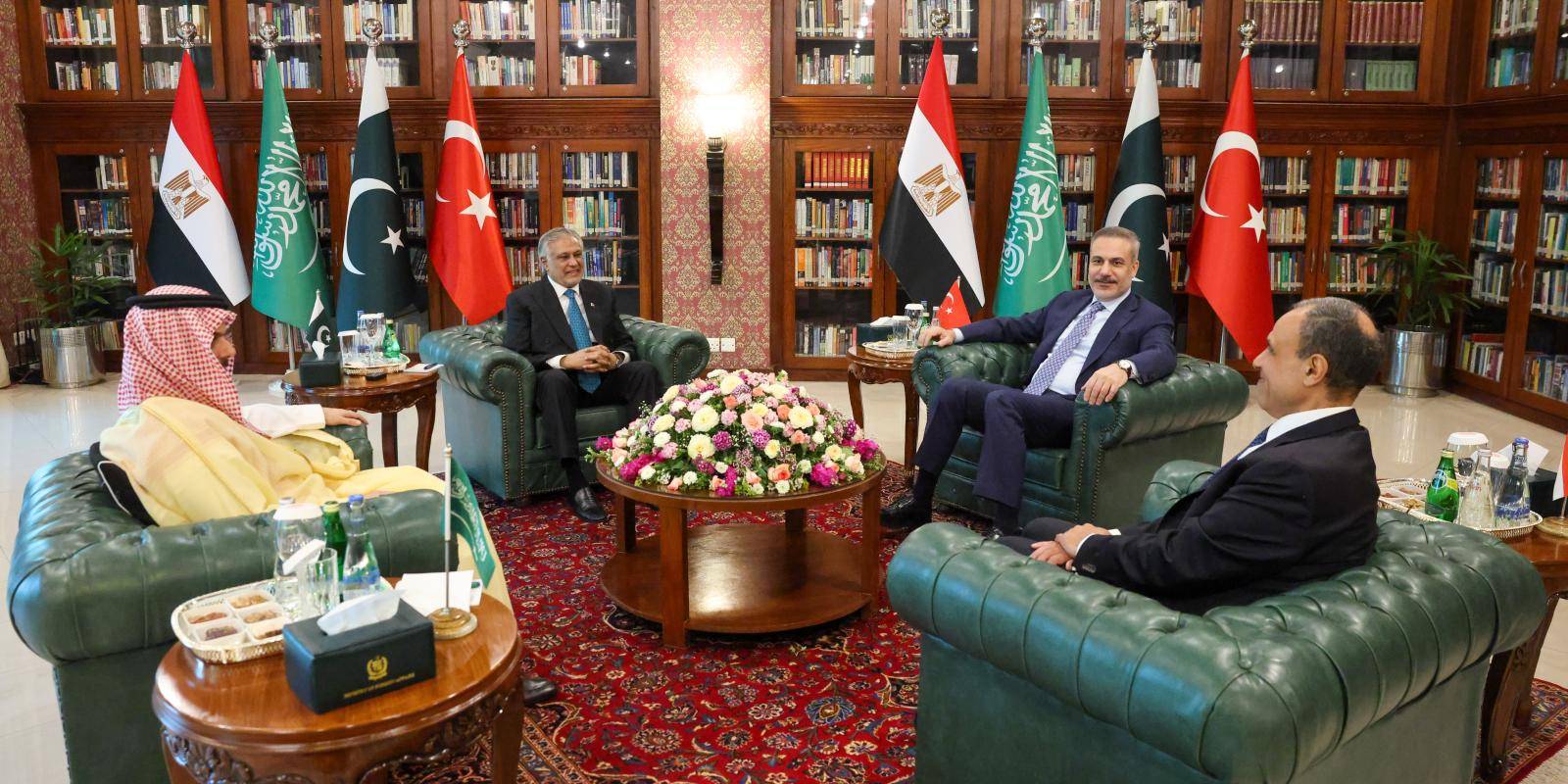
Egypt has also formed part of a new informal quadrilateral grouping in the region along with Pakistan, Turkey and Saudi Arabia. These four countries share concerns over the regional agenda being pushed by Israel and its partners, including the UAE, and fear that a collapse of the Iranian regime would tip the regional balance in Israel’s favour.
Since mid-March, the quad members have engaged in several diplomatic meetings to end the war. Alongside these meetings, Egyptian Foreign Minister Badr Abdelatty has led a diplomatic blitz, coordinating closely with the quad members, Gulf states, the US and European powers.
In mid-March, Egypt’s General Intelligence Service reportedly initiated backchannel contacts with Iran’s Revolutionary Guards and proposed a five-day truce as a confidence-building measure for a ceasefire. According to reports, these discussions contributed to President Trump embracing a more diplomatic approach, which eventually resulted in the Pakistan-mediated ceasefire agreement.
Egypt’s objectives
Egypt’s efforts to end the war are part of a long-term risk-management strategy to safeguard its security and economic interests amid regional volatility. To this end, it has four main objectives.
First, Cairo wants to preserve the safety and freedom of navigation in the Bab al-Mandab Strait and the Red Sea by preventing any single power from establishing hegemony in the Horn of Africa and encouraging the Yemeni Houthis to stay out of the conflict.
Second, it seeks to counterbalance Israel’s ambitions to achieve dominance in the region.
Third, Egypt wants to see the Trump administration’s attention returned to other conflicts that Cairo views as more serious threats. These include the faltering ceasefire in Gaza, the ongoing war in Sudan, and Egypt’s dispute with Ethiopia over the Grand Ethiopian Renaissance Dam.
Finally, Egypt wants to see continued commitment from the US and Gulf states to invest in and support its economy, which has been among the most vulnerable to rising energy prices and the flight of foreign debt investors. Since the outbreak of the war, fuel prices have increased by up to 30 per cent, while the Egyptian pound has decreased in value.
The end of the war may add momentum to these goals. However, de-escalation alone will neither remove long-term threats near Egypt’s borders nor slow Israel’s regional dominance. Egypt’s conflict with Ethiopia over Nile waters will also remain regardless.
Mediation
Even before the Iran war, Egypt played key mediation roles in regional conflicts, from the war in Gaza to internal rifts between Gulf states. Mediation has been a safe policy choice that reflects Cairo’s inherent risk aversion and its efforts to increase its diplomatic relevance and restore its reputation as a bulwark of stability.
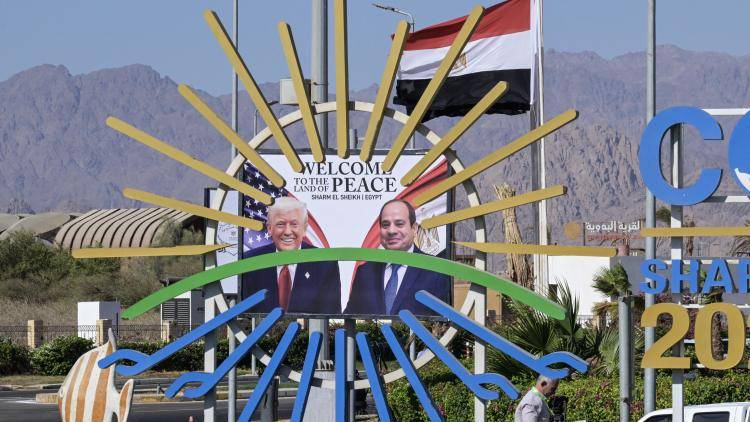
Domestically, mediation also helps to bridge the gap between opposing views within the establishment over whether to adopt a proactive regional posture or pursue strategic inaction.
Alongside diplomacy, Egypt has recently shown a growing tendency to deploy its military. For example, Egypt deployed troops in Mogadishu in February this year, in the context of countering Ethiopia and Israel’s ambitions in the Horn of Africa. Its deployment of troops to the Gulf also signals its alignment with Gulf partners.
Difficult realities
This foreign policy is not without challenges. Egypt’s vision for the post-war regional order is built on old formulas of pan-Arab national security that do not necessarily have broader support across the region.
For example, on 8 March, Foreign Minister Abdelatty revived President Sisi’s 2015 call to establish a joint Arab military force. Yet Arab elites are split over whether Iran or Israel is their main adversary and lack a unified stance. The plan also faces disagreement over the force’s command and structure, and potential opposition from the US.
