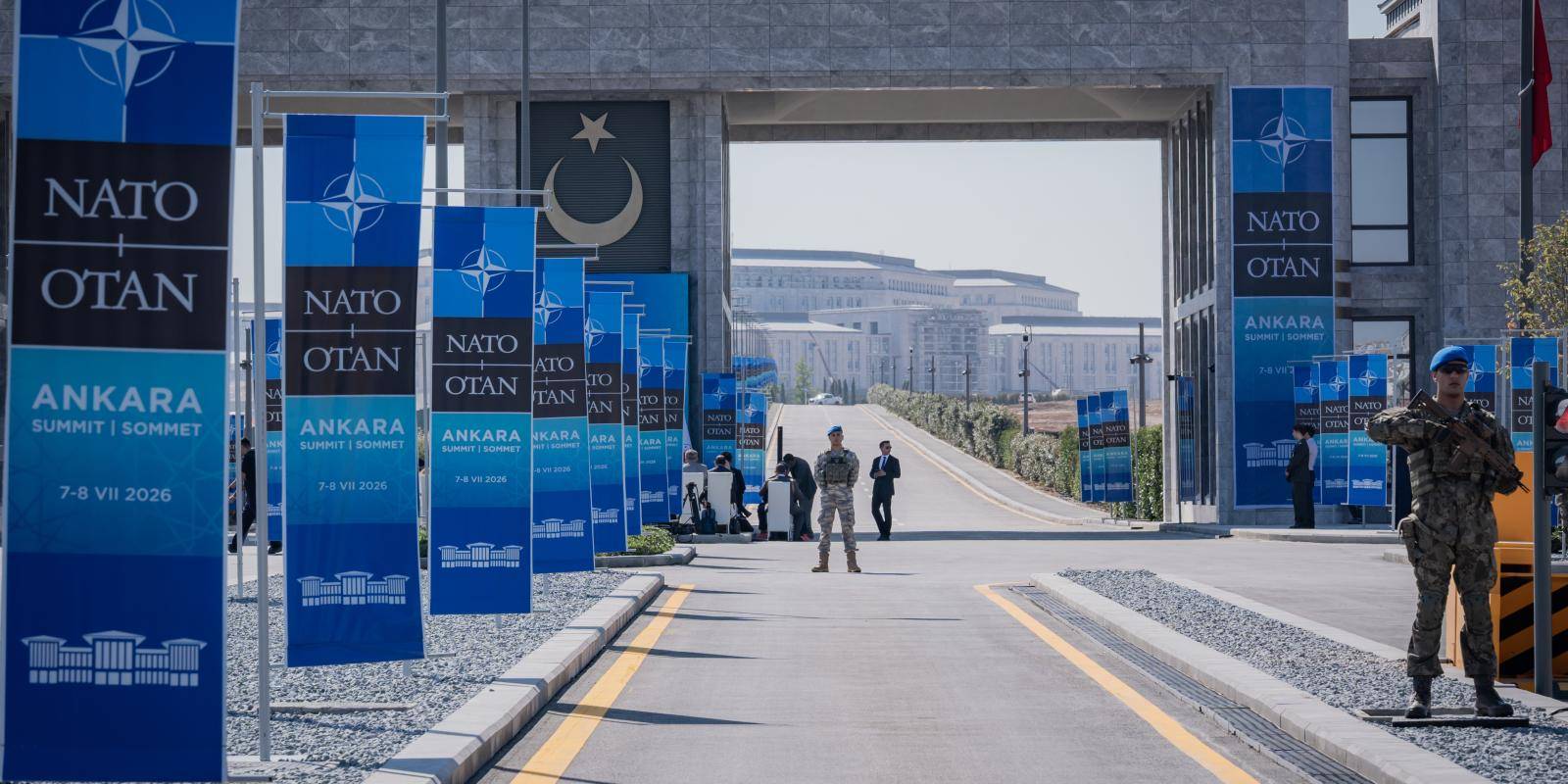

This week’s NATO summit in Ankara takes place at a pivotal moment in the alliance’s evolution – and for US–Europe relations.
In Ankara, the agenda will rightly focus on defence spending targets and score cards for national budget commitments and appropriations. There will be an accounting of who has signed (and paid for) big defence contracts and who is stuck at the political rhetoric stage. Like the businessman he is, US President Donald Trump will want to see concrete numbers from allies to prove there is action behind the 2025 Hague summit’s target of 5 per cent GDP spending on defence. If last year’s summit was about setting ambitious new targets, this summit will be about delivering on those promises.
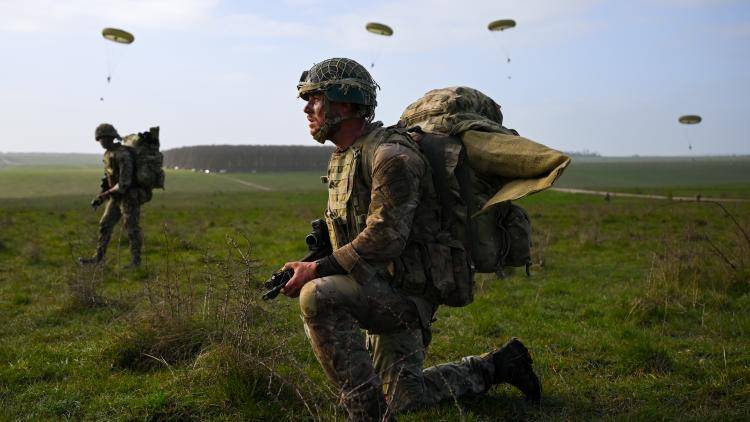
Beyond delivering on commitments, NATO faces another key challenge. Recent announcements of reduced US defence presence combined with President Trump’s disparaging rhetoric on NATO and threats to take Greenland has not only damaged political relations but has also affected European public opinion on US leadership and reliability. This erosion of trust undoubtedly poses a challenge but is also an opportunity for European governments to build public understanding of and support for the funding and process changes needed to meet ambitious defence goals.
Russia builds as America scales back
Hanging over the summit are two impending force posture shifts changing the landscape of European security. One is America’s recently announced reduction of troop numbers and critical capabilities in Europe. The other is Russia’s upgrade of installations, planned manpower, and increasing hybrid operations along NATO’s border.
The US informed European officials in May that it would gradually withdraw military capabilities from NATO – including fighter jets, strategic bombers and warships. The announcement is short on details and continues to be caught in a whirlwind of gossip about internal Trump administration battles over the scale and timing of the changes. According to a recent report, NATO’s top commander has stated that European allies have already filled most of the gaps left by US reductions and are exploring workarounds for the remaining shortfalls. Announcements about these changes are expected at the Ankara summit but the devil is in the details. European allies currently do not have the scale of capabilities rumoured to be on the chopping block. And the fear that the US will leave NATO altogether remains. Should this happen, experts estimate it could take up to 25 years to fill the gap created.
In Ankara, European leaders should build consensus around a more urgent approach to the new reality and work to overcome bureaucratic processes and public attitudes that stymy quick action on defence plans.
This is even more important as Russia does not face domestic push back on military expenditures. The second issue looming over the Ankara summit will be Russia’s plans for a massive military build-up along NATO’s eastern border and its intensifying hybrid warfare against NATO and European targets. While Moscow’s war campaign against Ukraine has failed to achieve its military goals, Russia is now rooted in a war economy, fielding war-tested troops and preparing for a prolonged period of conflict. The Kremlin is taking steps towards building a military that seeks to have 1.5 million military service personnel and 17 new manoeuvre divisions. Its primary focus is conflict with NATO.
Recent discussions in Western capitals that the pressure on Russia’s economy, from successful Ukrainian drone strikes to international sanctions, is reaching an inflection point for Moscow are perhaps comforting but miss the point. For Russia, NATO’s expansion in the Nordics and full support for Ukraine are evergreen existential threats. And the Kremlin now sees that the US is distracted in other parts of the world and deprioritizing Europe.
‘Never let a good crisis go to waste’
Against the backdrop of Russia’s build-up, European leaders should view the twin crises of reduced US commitment and the erosion of trust in American leadership as opportunities to rally more urgent action on defence modernization.
According to data from Pew Research Center, European views of the US and Donald Trump are especially negative. Across 10 countries polled, a median of 81 per cent say they lack confidence in him doing the right thing regarding world affairs. This sentiment can be used to motivate legislatures and to reform bureaucracies to achieve national defence goals.
In Ankara, European allies should align to keep the United States engaged while building a modern European security architecture that better meets today’s threats and is less dependent on American assets. Three key actions will support this agenda.
First, get the public narrative right. European publics need to unify around a common understanding of Putin’s mindset, Trump’s withdrawal, and what is truly needed from Europe to keep the peace. Panic is not the answer; revitalized budgets and coordinated, timely defence investments are. Effective communication with their publics is one of NATO’s and European leaders’ most important strategic instruments.
Second, look to the Nordic defence industry model and US moves to use AI in procurement processes to help accomplish more efficient, forward-looking defence build-ups. By focusing on consistent cooperation with industry – from defining needs to developing and procuring new equipment – the Nordic nations are putting smart, integrated defence spending at the centre of their security and budget priorities. The smart use of AI could streamline procurement processes and production, shortening delivery timelines for needed capabilities.