Chatham House – International Affairs Think Tank logo Chatham House – International Affairs Think Tank

Popular searches:

  • Internship
  • China
  • Belarus
  • Brexit
  • Iran
  • Russia
  • Covid-19
Sign in Support us Search

Main navigation

  • Topics
    Back

    Topic Themes

    • Defence and Security
      Back

      Defence and Security

      • Arms Control
      • Drugs and Organized Crime
      • European Defence
      • Peacekeeping and Intervention
      • Terrorism
      • North Atlantic Treaty Organization (NATO)
    • Economics and Trade
      Back

      Economics and Trade

      • Drugs and Organized Crime
      • Brexit
      • BRICS Economies
      • China's Belt and Road Initiative (BRI)
      • International Finance System
      • International Trade
      • Investment in Africa
      • World Trade Organization (WTO)
      • G7/G8 and G20
    • Environment
      Back

      Environment

      • Agriculture and Food
      • Circular Economy
      • Clean and Renewable Energy
      • Climate Policy
      • Energy Access and Governance
      • Managing Natural Resources
    • Health
      Back

      Health

      • Access to Healthcare
      • Health Strategy
      • Coronavirus Response
      • World Health Organization (WHO)
      • United Nations
    • Institutions
      Back

      Institutions

      • World Trade Organization (WTO)
      • World Health Organization (WHO)
      • African Union (AU)
      • European Union (EU)
      • G7/G8 and G20
      • North Atlantic Treaty Organization (NATO)
      • United Nations
    • Major Powers
      Back

      Major Powers

      • China's Belt and Road Initiative (BRI)
      • America's International Role
      • China's Relations
      • US Domestic Politics
      • US Foreign Policy
    • Politics and Law
      Back

      Politics and Law

      • Brexit
      • US Domestic Politics
      • Democracy and Political Participation
      • Demographics and Politics
      • Human Rights and Security
      • International Criminal Justice
      • Refugees and Migration
      • Gender and Equality
      • Disinformation
    • Society
      Back

      Society

      • Drugs and Organized Crime
      • Brexit
      • Circular Economy
      • Human Rights and Security
      • Refugees and Migration
      • Civil Society
      • Digital and Social Media
      • Future of Work
      • Gender and Equality
      • Radicalization
      • Disinformation
    • Technology
      Back

      Technology

      • Digital and Social Media
      • Future of Work
      • Radicalization
      • Cyber Security
      • Data Governance and Security
      • Technology Governance
      • Disinformation
    View Topics A-Z
  • Regions
    Back

    Regions

    • Africa
      Back

      Africa

      • Angola
      • Central Africa
      • East Africa
      • Horn of Africa
      • Nigeria
      • Southern Africa
      • West Africa
    • Americas
      Back

      Americas

      • Canada
      • Central America and Caribbean
      • South America
      • United States of America
    • Asia-Pacific
      Back

      Asia-Pacific

      • Afghanistan
      • China
      • India
      • Japan
      • Korean Peninsula
      • Pakistan
      • South Asia
      • Southeast Asia
      • The Pacific
    • Europe
      Back

      Europe

      • Central and Eastern Europe
      • France
      • Germany
      • Turkey
      • United Kingdom
      • Eurozone
    • Middle East and North Africa
      Back

      Middle East and North Africa

      • Egypt
      • Gulf States
      • Iran
      • Iraq
      • Israel and Palestine
      • Libya
      • Maghreb
      • Syria and the Levant
      • Yemen
    • Russia and Eurasia
      Back

      Russia and Eurasia

      • Central Asia
      • Russia
      • South Caucasus
      • Ukraine
    View Regions A-Z
  • Events
  • Publications
    Back

    Publications

    • Books
      Books in the Chatham House Library.
    • International Affairs Journal
      Display copies of International Affairs at an event in Hamburg, Germany.
    • Journal of Cyber Policy
      A close up of the cover of the Journal of Cyber Security.
    • The World Today Magazine
      The World Today - Cover Oct/Nov 2020
  • Become a Member
    Back

    Become a Member

    • Associate Membership
      Nathan Robinson, editor of Current Affairs, speaks at our primer on Democratic Socialism.
    • Corporate Membership
      Amal Clooney speaks at our members event on the use of sanctions to protect journalists.
    • Individual Membership
      A member takes the opportunity to ask the panel a question at our event on the digital revolution.
    • Gift Membership
      Sir David Attenborough and HRH Queen at CH Prize
  • Leadership Academy
  • About us
    Back

    About us

    • Annual Reviews
      A guest tries on a virtual reality headset at our 2018 "Reinventing the Building" event.
    • Careers
      Woman offers a high five to co worker
    • Chatham House Rule
      Speakers at an event listen to a question
    • Contact us
      Woman with laptop and mobile phone
    • Our Departments
      Three guests at a Chatham House event
    • Our Funding
      A detail of the Chatham House front door
    • Our Governance
      Her Majesty The Queen's signature
    • Our History
      Sketch of Ghandi at Chatham House
    • Our Mission and Values
      Guests at the 2018 Reinventing Fashion event
    • Our People
      Robert Bosch Stiftung Academy Fellowship
Support us
Sign in Go to sign in

Reforming the World Trade Organization

Prospects for Transatlantic Cooperation and the Global Trade System

With trade tensions increasingly politicized, a key appeals process suspended and COVID-19 creating huge economic challenges, a modernized and fully functioning WTO is more essential than ever. This paper makes the case for transatlantic cooperation as a necessary, though insufficient alone, condition for WTO reform.

Research Paper 11 September 2020 ISBN: 978 1 78413 419 8

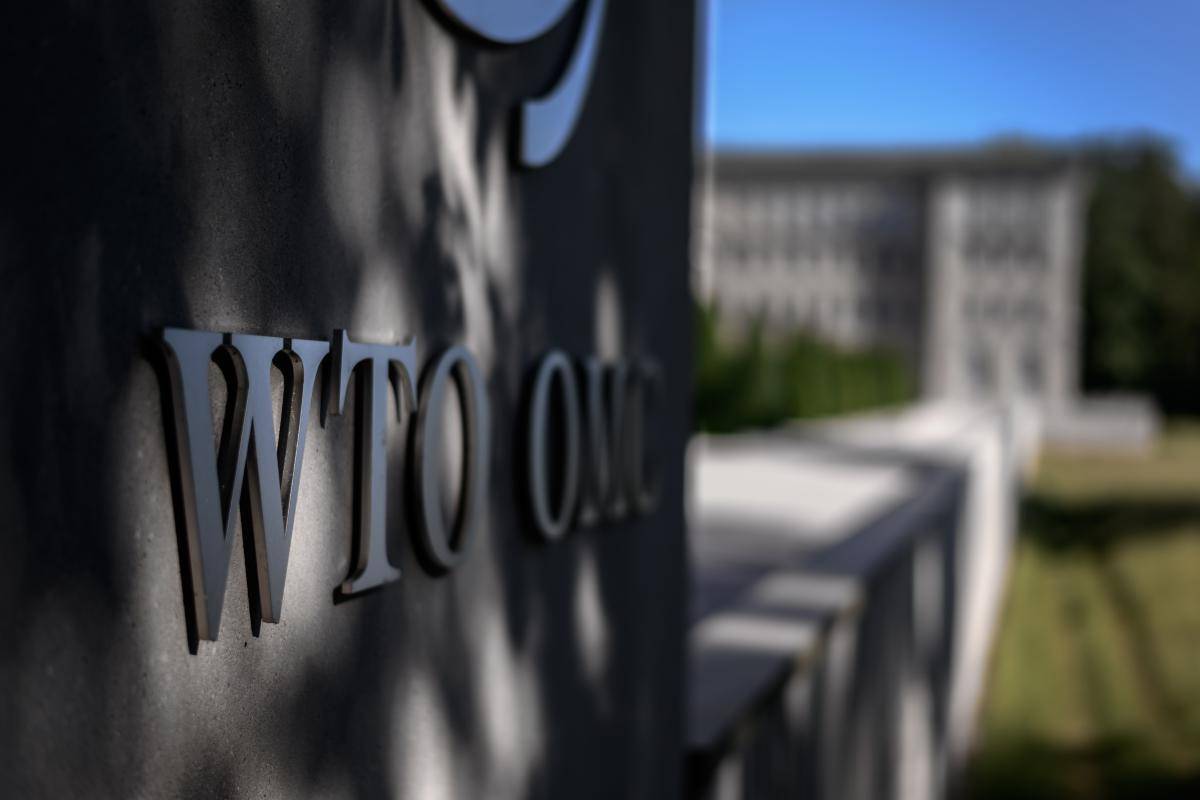
World Trade Organization headquarters in Geneva. Photo: Fabrice Coffrini / Contributor / Getty Images

Marianne Schneider-Petsinger

Senior Research Fellow, US and the Americas Programme

  • Email Marianne
  • Twitter

Topics

  • America's International Role
  • International Trade
  • World Trade Organization (WTO)

Regions

  • United States of America

Departments

  • US and the Americas Programme

Projects

  • Global Trade Policy Forum
Download PDF

You are viewing: Summary

You are viewing: Reforming the World Trade Organization

Reforming the World Trade Organization
  • Summary
  • 01 Introduction
  • 02 WTO reform and COVID-19
  • 03 The US and the WTO⌄
    • The Trump administration’s attacks on the WTO
    • Continued US engagement in the WTO
  • 04 Dispute settlement in crisis⌄
    • US concerns regarding the Appellate Body
    • Existing reform efforts
    • Assessment of interim solutions
    • Towards a permanent solution and dispute settlement reform
  • 05 Revitalizing the WTO’s negotiation function⌄
    • Multilateral trade negotiations under pressure
    • The move towards bilateral and regional 
free-trade agreements
    • A plurilateral approach – the way forward
  • 06 
Institutional issues and reform⌄
    • Transparency and notification
    • Developing-country status
  • 07 Challenges for a transatlantic partnership⌄
    • Underlying trade frictions
    • What role for the UK?
  • 08 Key issues for a ‘WTO 2.0’⌄
    • China and a level playing field
    • E-commerce and digital trade
    • Investment
    • Agriculture and development
    • Environmental sustainability
    • Linking trade and non-trade issues
    • Building domestic support
  • 09 Conclusion
  • About the author
  • Acknowledgments
Loading, please wait

Summary

  • The World Trade Organization (WTO), which has been the cornerstone of the multilateral rules-based global trading system since its inception in 1995, faces a make-or-break moment. Even before the COVID-19 pandemic, all three of the organization’s functions – providing a negotiation forum to liberalize trade and establish new rules, monitoring trade policies, and resolving disputes between its 164 members – faced challenges. To reinvigorate the WTO, reform needs to cover all three pillars.
  • Of particular note is the need for a permanent solution to the crisis of the WTO’s Appellate Body and dispute settlement system. The Appellate Body’s operations have effectively been suspended since December 2019, as the US’s blocking of appointments has left the body without a quorum of adjudicators needed to hear appeals. Ending the impasse will require both the procedural and substantive concerns of the US to be addressed. For the most part, these reflect long-standing and systemic issues that not only have been voiced by previous US administrations but are shared by many other WTO members (even if they do not approve of the Trump administration’s tactics).
  • The crisis with the dispute settlement function of the WTO is closely linked to the breakdown in its negotiation function. While the global trade landscape has changed significantly over the past 25 years, WTO rules have not kept pace. Modernizing the WTO will necessitate the development of a new set of rules for dealing with digital trade and e-commerce. WTO members will also have to deal more effectively with China’s trade policies and practices, including how to better handle state-owned enterprises and industrial subsidies. Addressing the issue of subsidies is becoming more important due to the implications of COVID-19 for state provision of economic support in many countries. A better alignment of trade policy and environmental sustainability is also needed to keep the WTO relevant. To make progress on all these fronts, an increased focus on ‘plurilateral’ negotiations – which involve subsets of WTO members and often focus on a particular sector – could offer a way forward.
  • Reform will be impossible without addressing the problem that no agreed definition exists of what constitutes a developed or developing country at the WTO. Members can currently self-designate as developing countries to receive ‘special and differential treatment’ – a practice that is the subject of much contention. WTO members will also have to take steps to improve compliance with the organization’s notification and transparency requirements.
  • It is in the interests of the US and its European partners to maintain and reform the rules-based international trading system which they helped to create. The US and the EU agree that new rules for 21st-century trade are needed. They share many concerns regarding China’s trade policies and practices, but transatlantic differences remain over how to tackle these problems. The largest area of disagreement concerns how to reform the Appellate Body. If the US and the EU cannot work together bilaterally, reform of the WTO is unlikely. If progress is to be made, underlying frictions between the major trading partners need to be addressed, with China – as the world’s largest trading nation – included in the discussion. In short, transatlantic cooperation is a necessary, though not sufficient, condition for WTO reform.
Back to top
Next chapter

Subscribe to our emails

To receive the latest content and events on the areas that interest you.

Follow us on social

  • Follow us on Facebook
  • Follow us on Twitter
  • Follow us on Instagram
  • Subscribe to our YouTube channel
  • Follow us on LinkedIn
  • Follow us on Medium
  • Follow us on SoundCloud
  • Subscribe to our shows on Podcasts
  • Follow us on Flickr
  • Take an RSS feed of our content

Popular links

  • Careers
  • Chatham House Rule
  • Library
  • Press Office
  • Simulation Centre
  • Undercurrents Podcast
  • Venue Hire

Chatham House is a world-leading policy institute with a mission to help governments and societies build a sustainably secure, prosperous and just world.

Footer

  • Accessibility
  • Privacy Notice
  • Cookie Settings
  • Staff Access
  • Terms of Use

© Chatham House 2021