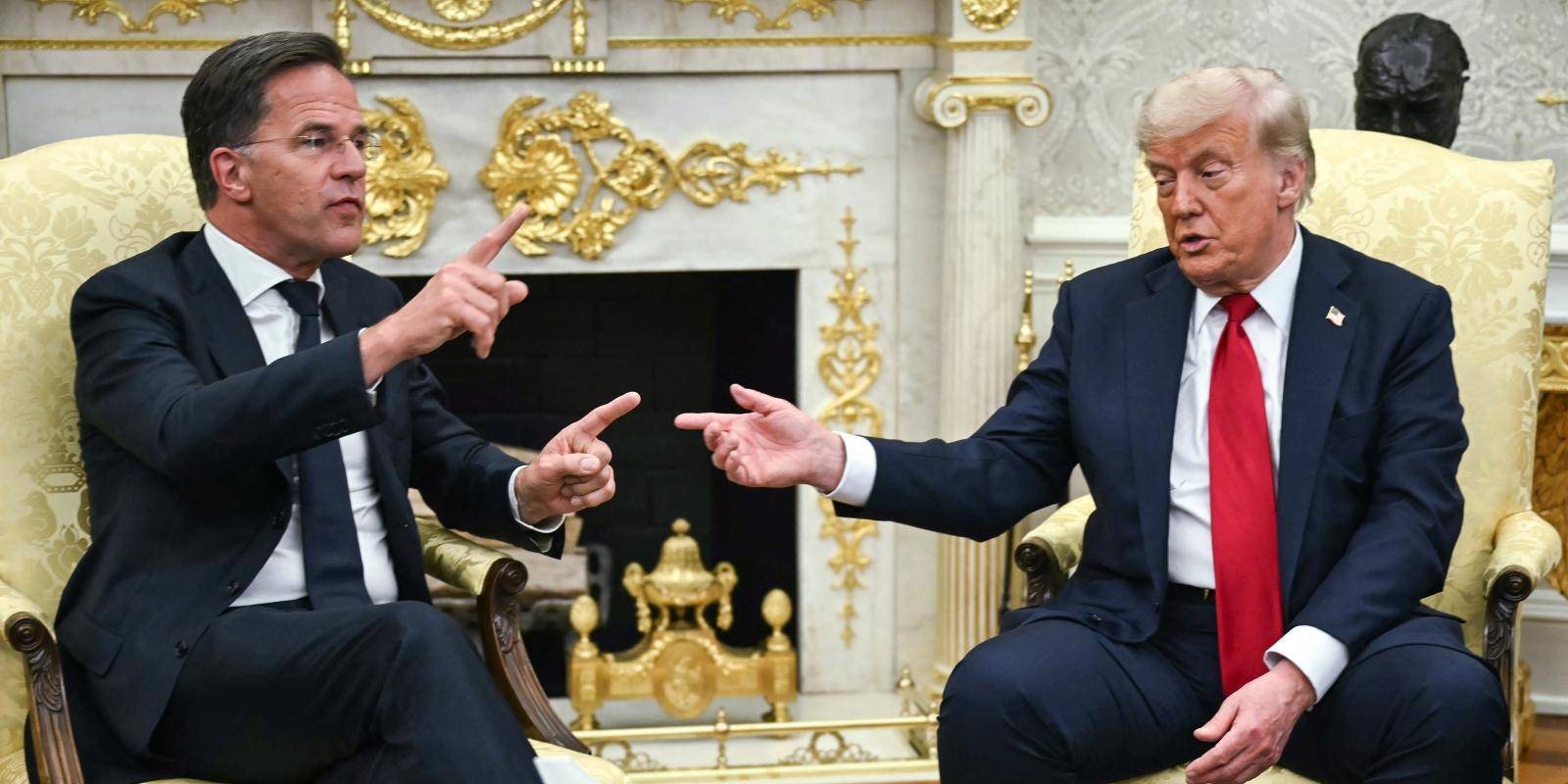

President Donald Trump’s much-hyped ‘big announcement’ about Russia on Monday threw up as many questions as it did answers.
On both of the two initiatives declared at his joint press conference with NATO Secretary-General Mark Rutte – the supply of weapons to Ukraine and a fresh ultimatum to Vladimir Putin – Rutte did not appear inclined to inject any clarity to offset Trump’s trademark incoherence.
So for the time being the exact details of what has been agreed remain hazy. And on weapons sales in particular, calculations of how impactful the new move will really be are largely a matter of guesswork.
That hasn’t done much to dampen the surge of optimism that has swept across many Western media hailing the apparent turnaround in Trump’s attitude towards Moscow – with not all of those media stopping to deconstruct what has, and has not, actually been done. In the Kremlin, it will be a very different story. Putin will continue to judge Trump by his actions, not by his words – and so far, there is little enough action to be seen.
It seems widely agreed that Patriot missiles and or launchers are to be supplied to Ukraine from stocks already held in Europe, backfilled by purchases of new systems from the United States. But what other weapons may be supplied, and the numbers, timescales, costs – and even who is paying for them – remain unclear.
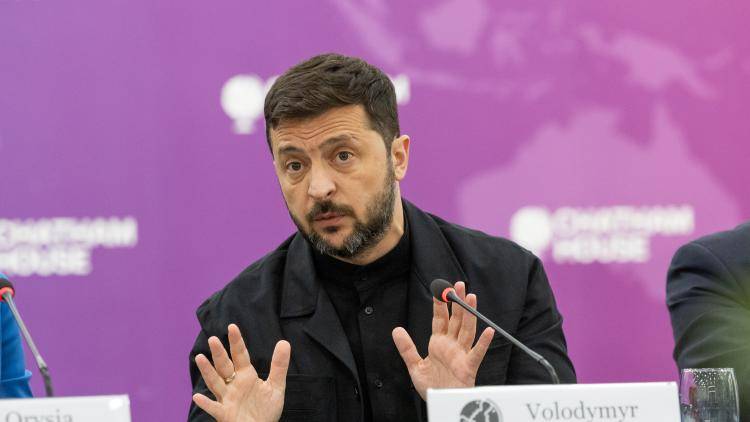
It’s possible that this is the same arrangement detailed by Ukrainian President Volodymyr Zelenskyy on 11 July that Germany and Norway would between them be funding three Patriot systems – but even that is uncertain, with Trump at one point even suggesting that it would be the European Union, not NATO, that was footing the bill.
Moscow may have expected worse
Russia has reacted calmly to the news. In addition to state propagandists dismissing the announcement as insignificant, as would be expected, the Moscow stock exchange – a more reliable indicator of national hopes and fears – rose after Trump’s press conference.
It could be that, like much of the Western world, Moscow had anticipated far more drastic and immediate steps from Trump, and priced in the risk accordingly – so the actual announcements, disappointing for Ukraine and its backers but encouraging for Moscow, came as a relief.
Part of that disappointment centres around the deadline that Trump has set of 50 days for Putin to come to a peace settlement, or face punitive economic measures. (It’s not even clear if the ‘secondary tariffs’ mentioned by Trump are the same as the secondary sanctions package that Senate Republicans have been pushing forward, or a separate initiative.)
In May, Trump gave Putin a deadline of two weeks to come to a peace settlement – an ultimatum that came to nothing after a Russian diplomatic counter-move offering sham talks in Istanbul. Now, Trump is offering Putin more than three times as long to come up with a means of outwitting him.
More time to kill
For all the enthusiasm generated by Trump’s tough talk, the real impact is that he has given Putin another 50 days to wage war before any additional sanctions will be imposed. One thing the deadline does guarantee is that for the next 49 days at least, Russia will continue to hammer Ukrainian cities and continue to maximize its efforts to sow death and misery among innocent civilians.
Until now Trump has doggedly resisted imposing real costs on Moscow, and his most recent threat to Russia allows him wriggle room to do the same. The deadline of 50 days gives Russia plenty of time to concoct its own alternative plan, and once again outmanoeuvre Washington through a diplomatic ploy which Trump may well accept willingly.
Nevertheless, optimists who have hailed Trump’s announcement as evidence of a major shift in policy believe that Vladimir Putin has overplayed his hand.
For whatever reason, Putin and those advising him assessed that it was a better option to continue the war, grinding forward on the front line in Ukraine at immense cost in casualties, than to accept the terms for freezing the conflict that were repeatedly held out by Trump – effectively, the same terms that Russia itself had demanded. It’s possible that Putin may have spurned Trump’s overtures once too often.