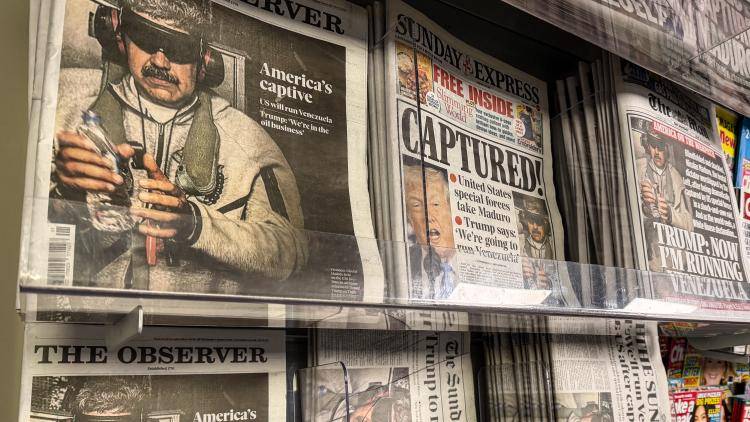
Russia will seek to exploit the US capture of Nicolás Maduro to its advantage. The operation, carried out in clear violation of international law and the UN Charter, has contributed to the further erosion of the rules-based order and prompted anti-American sentiment. Moscow will seek to capitalize on this while advancing its narrative of Western neo-colonialism with greater confidence.
However, in a world increasingly shaped by Trump, and with its core objectives in Ukraine still unachieved, Moscow may ultimately have to seek accommodation rather than confrontation with the US. Ironically, Russia’s long-sought shift towards multipolar competition may end up constraining rather than enabling its ambitions.
Russia’s response to the US operation in Venezuela has been restrained. Russian Foreign Minister Sergei Lavrov urged the US to reconsider its position and release ‘the legitimately elected leader of a sovereign country and his spouse’. He subsequently held a phone call with Venezuela’s vice president, Delcy Rodríguez, reiterating Russia’s support for Caracas and urging de-escalation through dialogue.
Yet Moscow’s response has remained within its standard diplomatic playbook. Most notably, the presidential administration has remained silent, issuing no statements to date despite the close personal and political relationship between Vladimir Putin and Maduro.
Prioritizing Ukraine over Syria, Iran and Venezuela
Russia’s muted reaction reflects a broader pattern, revealing a clear strategic calculus and signs of overextension. Moscow watched from the sidelines as the Assad regime fell in Syria. Russia saw its previous intervention in Syria as a major strategic achievement and a proud symbol of its great-power status. Yet in the end, it did little to assist Assad beyond offering him and his family refuge.
Similarly, Russia did not defend Iran’s embattled regime against Israel despite hailing its strategic partnership with Tehran. Iran had provided Russia with much-needed military support, notably Shahed drones, which proved important in the early days of the full-scale invasion of Ukraine. Yet Moscow did not reciprocate when Israel attacked Iran.
Venezuela, therefore, is not an exception but part of a broader trend. Russia is making calculated choices, prioritizing its war effort in Ukraine over all other commitments. As a result, Moscow is losing prestige, writing off its significant investments in faltering regimes and eroding its carefully cultivated image as a credible and predictable partner.
The Kremlin has nevertheless concluded that these costs are secondary to its core war aims in Ukraine. Assad had become an increasingly difficult partner to manage, while Russia’s entrenched presence in Syria was sufficient to allow it to re-establish relations with the country’s new leadership.
Iran presented a different calculation. The Trump administration’s diplomatic efforts to secure a ceasefire in Ukraine meant that the risk of jeopardizing Trump’s goodwill and provoking Israeli hostility by supporting Iran appeared too high a price to pay.
Venezuela was arguably even less important to Russia than either Iran or Syria. Providing meaningful support to Maduro would in any case have been impractical, given the distance and logistics.
Faltering global ambitions
Russia’s choices, however calculated, reveal signs of overextension. Aggression against Ukraine is costing Russia its global ambitions.
Under Putin, Russia has invested heavily in expanding its global outreach with the aim of reducing Western, and particularly US, global influence. Russia has developed dependencies and partnerships in Africa and Latin America; provided security services and deepened economic ties with countries in the Global South; and leveraged the Soviet legacy to position itself as a champion of anti-colonialism pushing back against the US globally.
These investments helped Russia mitigate the impact of Western sanctions and avoid diplomatic isolation. By expanding its war objectives from subjugating Ukraine to reshaping the global order, Russia projected strength by appearing to confront the entire West.
Most importantly, this strategy helped Putin consolidate domestic support. He offered Russians the satisfaction of reversing the humiliation of the 1990s and restoring the country to its former glory. In return, he could count on a degree of domestic support for the war and tolerance of his increasingly repressive regime.
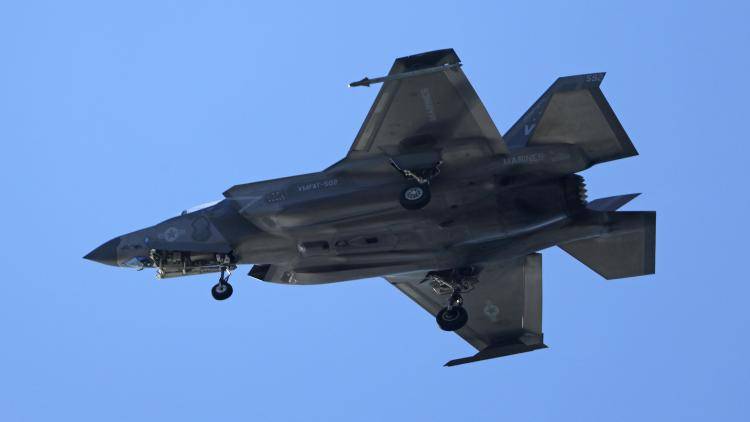
After Venezuela, however, many Russians are feeling envious. Moscow has been unable to pull off a similar regime-change operation in Ukraine. This unfavourable contrast undermines Putin’s narrative and could impact domestic stability. To add insult to injury, US Secretary of War Pete Hegseth mocked Venezuela’s Russian-supplied air defence system for being unable to prevent the US operation.