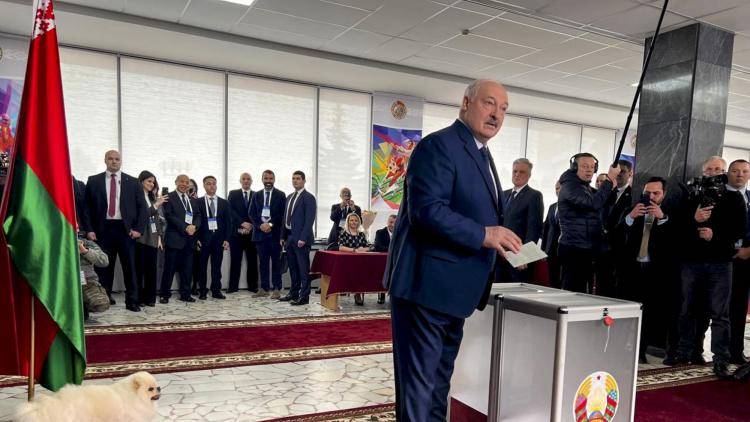

On 4 November, the US Treasury lifted some of the sanctions imposed on the Belarusian regime, signalling a limited but notable shift in Washington’s policy. The curtailing of measures targeting the country’s national airline, Belavia, and the presidential aircraft of Belarusian ruler Aliaksandr Lukashenka was conditioned, at least in part, on the regime’s selective release of political prisoners. The easing of sanctions reveals the transactional logic driving the recent thaw in US–Belarus relations – one in which calibrated diplomatic concessions are earned through symbolic gestures of goodwill.
This approach highlights US President Donald Trump’s preference for deal-making, especially when it produces clear and measurable diplomatic outcomes. The lifting of sanctions followed the release of 52 political prisoners in September, after bilateral negotiations between Minsk and Washington – the largest such release to date.
In hopes of further diplomatic victories, on 9 November Trump appointed John Coale, one of the key negotiators of the recent releases, as a special envoy to Belarus. ‘He [Coale] has already successfully negotiated the release of 100 hostages and is going for an additional 50,’ Trump said, indicating a continued investment in diplomatic dialogue with Minsk.
The strategic use of prisoner releases

To think that recent amnesties of political prisoners are acts of genuine goodwill by the Belarusian regime would be a grave misconception. Rather, they are forced expulsions of the regime’s critics, including journalists, civil society members, political activists and prominent opposition figures. Of the more than 300 people freed from Belarusian prisons since July 2024, many were deported as a condition of release and subjected to forced exile.
This approach tolerates no deviations. When opposition politician Mikalai Statkevich refused to cross the border into Lithuania after receiving a presidential pardon in September, he disappeared without a trace. Local media would later report on his return to the same penal colony from which he had been discharged – a telling illustration of the regime’s use of these ‘pardons’ as means of coercion, not reconciliation.
Political prisoner ‘diplomacy’ is also not a new tool in Lukashenka’s arsenal. He has relied on imprisonment of prominent opposition figures for decades – only to release them on ‘humanitarian’ grounds when politically expedient, as seen ahead of parliamentary elections in 2008 and the 2015 presidential election. The latest wave of releases follows a similar pattern, reflecting not humanitarian aspirations but a pragmatic and transactional approach aimed at serving Lukashenka’s strategic interests.
Lukashenka’s motivations for closer ties with the US
This time, however, the Belarusian leader faces a different geopolitical landscape. The regime’s dependence on Moscow has deepened considerably since the contentious 2020 presidential election, when Lukashenka turned to Russia’s President Vladimir Putin for support in violently suppressing country-wide protests over the allegedly rigged outcome. Lukashenka’s subsequent decisions to allow Russian forces to invade Ukraine from Belarusian territory and to host Russian tactical nuclear weapons only deepened this dependence. As a result, Minsk has been more isolated than ever – until the recent rapprochement with the US.

The renewal of diplomatic relations with a major Western partner offers Lukashenka some room for manoeuvre. First, it offers tangible opportunities to restore trade relations and secure sanctions relief after years of isolation. Second, it promises to lend the regime a degree of legitimacy in the eyes of domestic and international audiences, with Trump praising the ‘highly respected President of Belarus’ for releasing political prisoners. Finally, it offers the prospect – however remote – of diplomatically distancing Minsk from the Kremlin, aligning with Lukashenka’s desire to assert greater regional autonomy and play a mediating role in the war in Ukraine.
Yet, any expectation that renewed dialogue with Washington could meaningfully reduce Minsk’s dependence on Moscow is misplaced. Belarus’s economy remains deeply integrated with that of Russia, relying on subsidised energy, preferential market access, and financial support to sustain its stagnant economy. Security dependence runs even deeper, leaving Lukashenka with little autonomy in matters of foreign policy and defence. Selective and limited diplomatic gestures towards the West are tactical steps aimed at regaining leverage – not a meaningful pivot away from Russia.
The EU takes a different approach
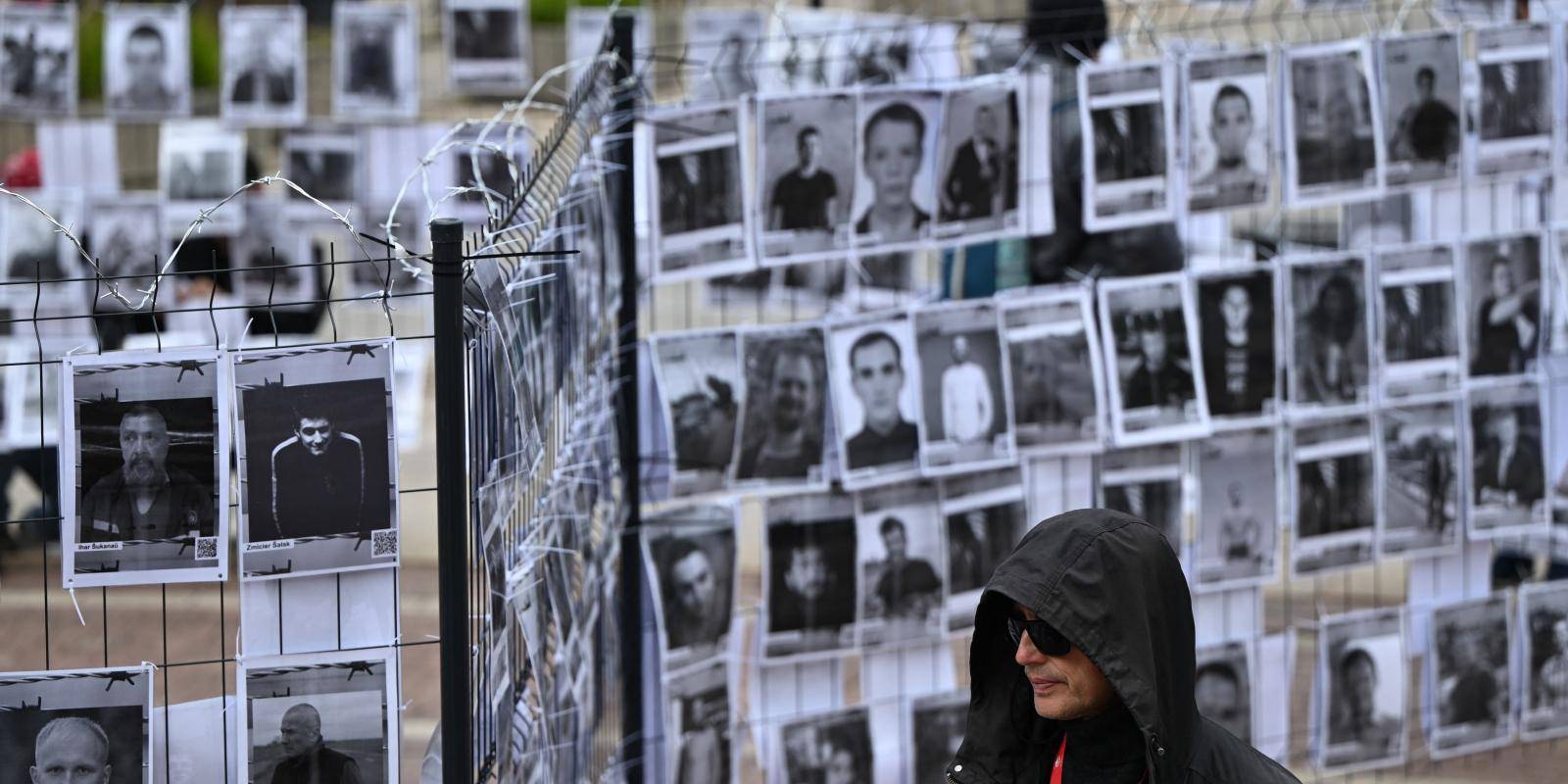
Transactional or not, the Trump administration’s negotiations with Minsk have produced tangible humanitarian results: hundreds of the regime’s opponents have been released. But over 1,200 Belarusians remain behind bars , including prominent faces of the 2020 protests like Maria Kalesnikava and Viktar Babaryka. Although the risks of rewarding repression through formal diplomacy are considerable, further engagement could arguably serve a moral purpose if it helps secure the release of those trapped inside the regime’s repressive system.