
Bangladesh, Nepal and Sri Lanka find themselves at a turning point. Their relatively new governments, brought to power in the wake of youth-led protest movements, retain popular mandates. But they must now grapple with governance challenges exacerbated by the Iran war and complicated relations with India.
Similarities and differences
In 2022, the government of Sri Lanka’s President Gotabaya Rajapaksa was overthrown in a mass protest movement known as the Aragalaya (‘Struggle’). Bangladesh’s ‘Monsoon Revolution’ followed in 2024, with long-serving Prime Minister Sheikh Hasina removed from power, before the so-called ‘Gen Z revolution’ in Nepal toppled Prime Minister KP Sharma Oli’s government in 2025.
These movements were all fuelled by a combination of economic distress (all three countries are undergoing IMF bailouts), demographic pressures and political dysfunction, with growing resentment against ruling elites due to a culture of corruption, nepotism and increasingly autocratic tendencies. Social media also played an important role and allowed anti-establishment narratives to flourish.
There are undoubtedly some country-specific differences. In Sri Lanka, the Aragalaya was triggered by a sovereign debt crisis, hyperinflation and commodity shortages. In Bangladesh, the issue of public sector job quotas for families of war veterans became a lightning rod for anti-government unrest. In Nepal, the catalyst was a social media ban.
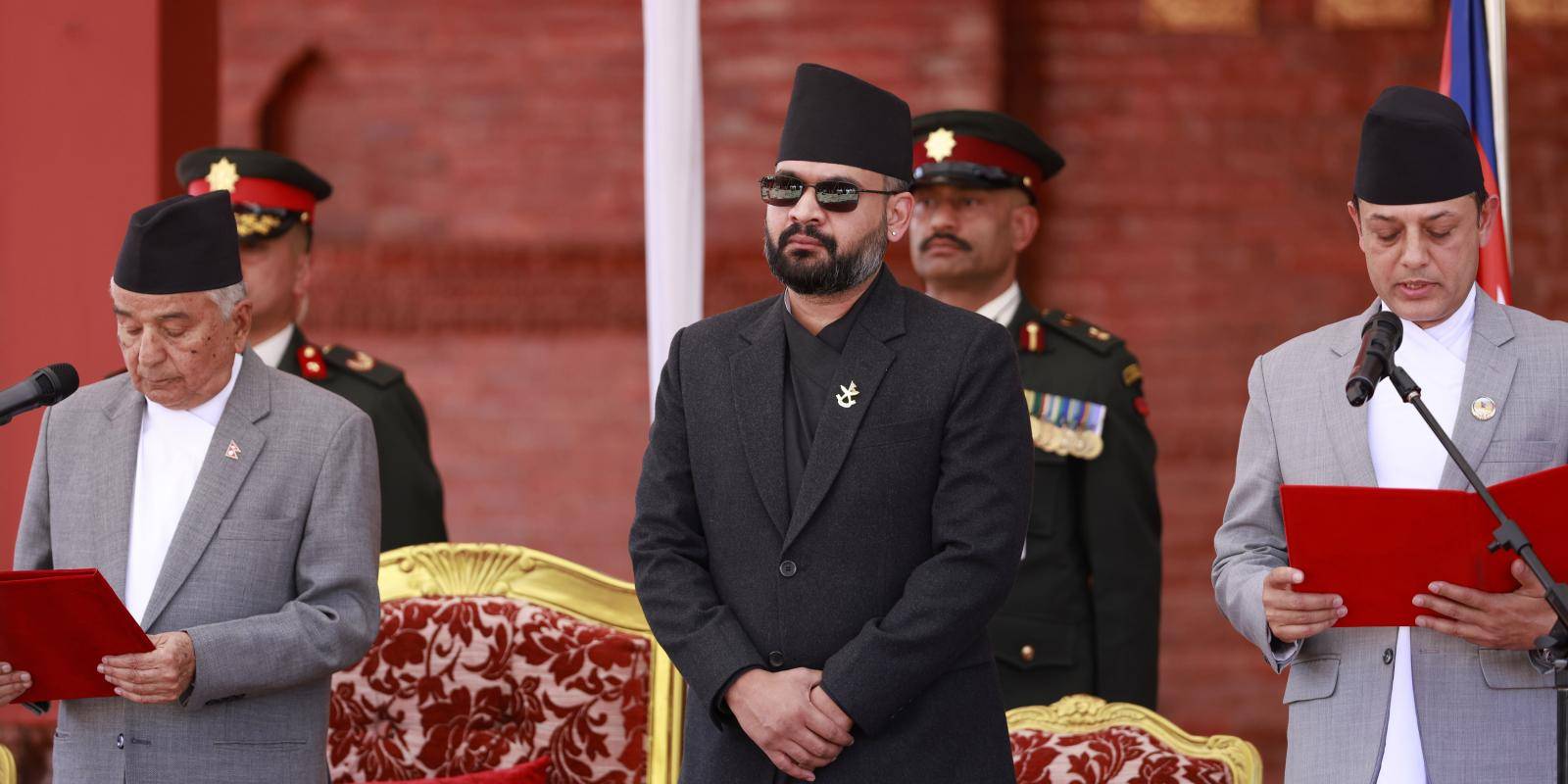
The elections that followed also took different trajectories. While Nepal chose radical change – electing a former rapper, Balendra Shah, as its new prime minister in March – Bangladesh opted for a degree of continuity in electing Tarique Rehman, the son of a former prime minister and president, from the established Bangladesh Nationalist Party (BNP). And while Nepal rejected established left-leaning political parties, Sri Lanka’s President Anura Kumara Dissanayake heads a coalition led by a Marxist-Leninist party, Janatha Vimukthi Peramuna (JVP).
After the revolutions
During a recent visit to the region, it was clear that despite optimism, all three countries now face similar internal and external challenges.
A climate of hope and belief in a fresh start persists. The new governments all came to power with large electoral mandates, creating a sense of opportunity. Even in Bangladesh, where there has been a degree of continuity, the proposed political reforms of the July National Charter have fuelled a sense of democratic renewal.
However, initial euphoria is also giving way to a feeling that governments are squandering their goodwill through their inability or unwillingness to implement necessary reforms. These doubts are not helped by missteps stemming from the new governments’ inexperience.
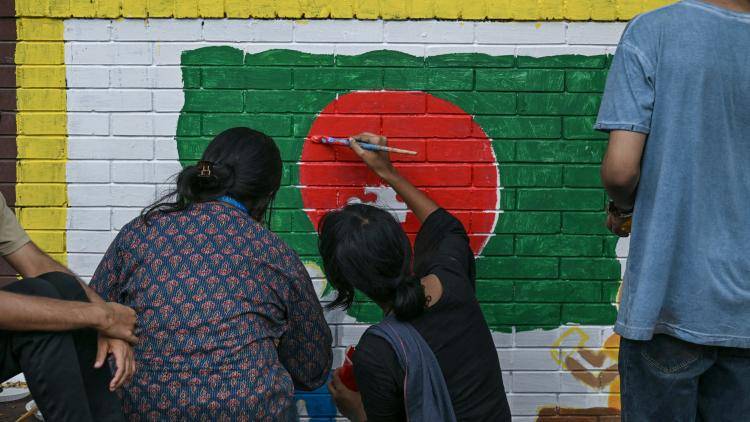
In Nepal, despite Shah campaigning on an anti-corruption platform, two ministers in the new government departed within its first month after facing scandals. In Sri Lanka, growing frustration over austerity measures was exacerbated by the government response to Cyclone Ditwah last year, which some consider inadequate. Earlier in the year, the ruling party’s vote share dropped in local elections.
In Bangladesh, violent crime is a growing concern as the army returns to the barracks after the February election. There are also concerns that the BNP government may only implement parts of the proposed July Charter political reforms to avoid changes that could erode its power. The party will face its first test when Bangladesh holds local government elections later this year.
Stability not guaranteed
Strong mandates therefore do not guarantee stability. This is particularly true if broader societal challenges are not addressed.
All three countries have a history of prolonged periods of violence and instability. Nepal, which was plagued by a decade-long Maoist insurgency, has various social divides, including along caste, generational, regional and ideological lines. A constitution passed in 2015 sought to address these cleavages. However, there are fears that social cohesion could be undermined by the new government’s focus on appeasing its younger urban voter base, which could risk overlooking other constituencies.
In Sri Lanka, the government has sought to separate itself from ethnic-based politics. But following the decades-long civil war, ethnic Sinhalese Buddhist nationalism remains entrenched in Sri Lankan society. This holds implications for lasting reconciliation with the country’s minority Hindu and Muslim Tamil community.
Meanwhile, in Bangladesh the main divide is between the country’s two long-established dynastic political parties – the BNP and Awami League – with efforts to forge a credible youth-led ‘third front’ failing to bear fruit in the election. For now, this rivalry has been deferred by the ban on the Awami League. However, this situation is unsustainable; it will eventually be necessary to rehabilitate the party in some form to break the cycle of revenge politics that has historically plagued the country.
The Iran war and India relations
These pressures are exacerbated by the ongoing war in Iran. All three countries have been severely impacted by the war with inflationary pressures, fuel rationing and limited fiscal space to withstand the economic shocks of the conflict. They are also all heavily dependent on foreign remittances from Gulf states. These economic strains have cut short any post-election honeymoon period.
Relations with India present another challenge. Governments in all three countries are seeking a reset in relations with New Delhi, which had been strained under their predecessors.
India is a crucial source of humanitarian aid, development assistance and infrastructure investment to all three countries. The Iran war has also created space for greater alignment, given that New Delhi has stepped up energy exports to its neighbours as they face shortages.
However, India’s prominence in the region also breeds mistrust from its neighbours, who face challenges in managing relations with their larger neighbour.
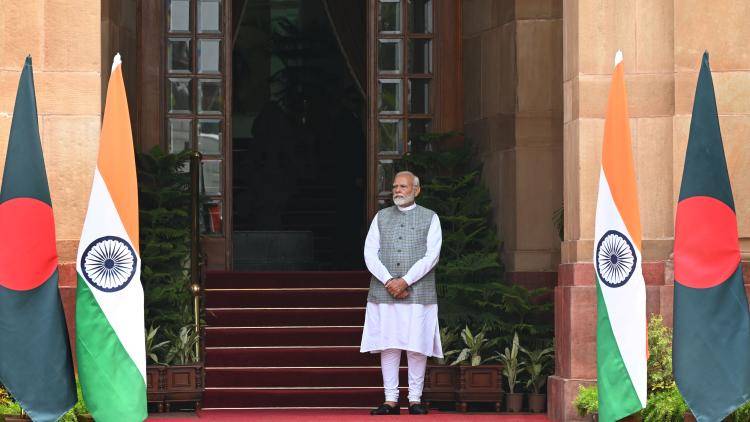
The recent victory of Prime Minister Narendra Modi’s Bharatiya Janata Party (BJP) in the state election in West Bengal – which borders Bangladesh – is a mixed blessing for India-Bangladesh relations. On the one hand, it is expected to improve coordination between New Delhi and West Bengal, which could be crucial for the renewal of the India-Bangladesh Ganga water sharing treaty that is due to expire in December.
However, with the BJP or its partners now ruling in four of five states bordering Bangladesh, there is also an increased risk of the party’s sometimes divisive identity-based politics souring relations with Bangladesh; border tensions recently flared after the BJP ordered a crackdown on undocumented immigrants.
In Nepal, Prime Minister Shah’s unpredictable leadership style has introduced a degree of uncertainty to relations, as seen in his refusal to meet India’s foreign secretary and the recent flare up of a territorial dispute. The BJP recently hosted Nepal’s ruling Rastriya Swatantra Party (RSP) and has sought to emphasize shared cultural ties, although this also risks fuelling fissures within Nepal.