Conference

Security and defence 2027

Join senior policymakers, business leaders and international security experts for a day and a half of unique discussions on the future of security and defence across modern domains of conflict, and how to prepare for an uncertain future.

Event date and time: 3 March 2027 TO 4 March 2027 — 09:00 TO 12:30 GMT

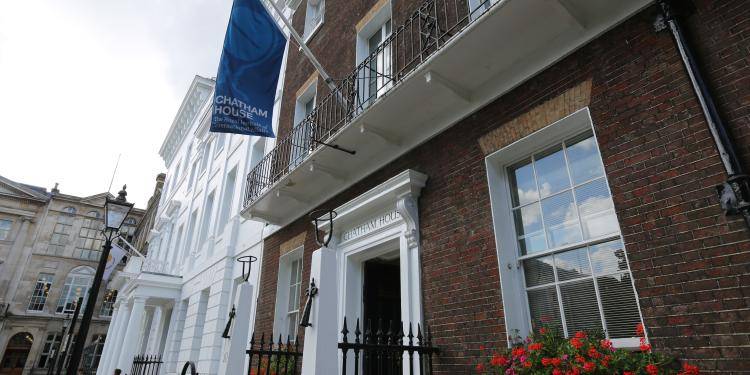
Event location: Hybrid — Chatham House and Online

Security and defence 2027 hero image

Adjusting to the geopolitical reality

The security and defence landscape of 2027 is defined by a period of adjustment. Across the Euro-Atlantic community and beyond, governments, armed forces and industry leaders are responding to a strategic environment shaped by increased defence spending, shifting alliances and growing uncertainty about the future balance of power. Long-held assumptions regarding deterrence, burden-sharing and international cooperation are being tested by emerging threats and mounting geopolitical competition, forcing policymakers and private sector stakeholders alike to reconsider how security is delivered and sustained in an increasingly contested world.

As European allies move to assume greater responsibility for their own security, questions about the future shape of NATO have become increasingly urgent. The drive towards higher defence spending has strengthened the alliance’s military potential but has also exposed differing national priorities, industrial capacities and political ambitions. At the same time, debate continues over the extent of the United States’ long-term commitment to European security and what a more European-led NATO could mean for collective defence, nuclear deterrence and strategic decision-making. Beyond the alliance, conflict in the Middle East, China’s growing influence on the international security environment and renewed competition across critical maritime and economic chokepoints are reshaping regional and global security dynamics.

The 2027 Security and Defence Summit brings together policymakers, senior military leaders, business executives and civil society experts to examine the defining security challenges of the coming decade. Through a programme of keynote addresses, high-level panel discussions and Chatham House Rule spotlight sessions, participants will advance their understanding of the future of NATO, defence investment, civil resilience, emerging technologies, space security and the evolving character of conflict. Together, speakers and delegates will identify how governments, armed forces and industry can strengthen partnerships, build resilience and develop the capabilities required to navigate an era of strategic uncertainty.


Register today

Agenda

Wednesday 3 March

Will Europe take the wheel? The next chapter of NATO

  • What would a more European-dominated NATO mean for the alliance?
  • Will the varying speeds and ways in which European member states are planning to reach the 5% spending target sow division among continental allies, despite an overall increase in funding?
  • To what extent will the US still dominate the thinking of policymakers and private sector stakeholders in the alliance should it withdraw further support?
  • What roadblocks need to be overcome to ensure Europe can expand its defence industrial capacity to deliver robust supply chains and enhanced defence modernization?
  • What would structural changes in NATO mean for the nuclear deterrent and is Europe able to realistically share more of the burden in this facet of the continent’s deterrence strategy?
0900-1000

Spotlight session: China’s next decade: shaping the future security environment

This session is being held under the Chatham House Rule.

  • What should governments, militaries and industry be prepared for over the next decade as China’s influence reshapes the global security environment?
  • As Europe looks to modernize and the US looks to consolidate, what is the future direction of China’s armed forces?
  • What do the ramifications from the closure of the Strait of Hormuz teach us about what could happen if disruption afflicts the Taiwan Strait in the coming decades?
  • Could shared economic interests, such as energy security, deliver a noticeable sea-change in relations between China and its neighbourhood?
  • As competition between China, the US and its allies intensifies, what are the greatest risks of miscalculation and escalation and where are the opportunities for cooperation? 
1000-1030

Networking break

1030-1100

Meeting the moment: investing in security and defence for strategic resilience

  • Moving beyond outlining strategic vulnerabilities, how should policymakers, business leaders and civil society experts act on and invest in change-making security and defence priorities?
  • What will the influx of private capital mean for the defence ecosystem?
  • How can procurement processes be updated and upgraded so they consider the lessons from recent conflicts, such as the wars in Ukraine, Iran and Sudan?
  • Will multilateral defence banks deliver the results that are expected of them or are countries better off working within existing frameworks to define their future capabilities?
  • How do stakeholders reframe the narrative around investing in defence to engage a broader section of society and thus enhance long-term resilience? 
1100-1200

Keynote address: putting the DIP in diplomacy

  • Despite the delayed publication of the roadmap, what does the Defence Investment Plan (DIP) and broader changes to defence spending show about Britain’s approach to defence in 2027?
  • How will the government sell the need for increased defence spending to the public, considering the many and varied competing demands on government finances?
  • How should Britain position itself as a bridge between the US and European nations within NATO and can it help restore some calm to the alliance?
  • How will the government combine both hard power, set to be enhanced by the DIP, as well as the country’s soft power to project its image on the global stage to both allies and adversaries alike?
  • What should the public and private sector focus collective resources on to make sure that the country’s rearmament happens efficiently and effectively and results in credible deterrence?
1200-1230

Networking lunch

1230-1330

All together now: civil defence strategies for the security challenges of the future

  • What can allies learn from Finland and Sweden’s approach to civil defence strategies? 
  • How are countries that have traditionally prioritised other policy areas going to frame narratives around defence?
  • Are civil defence strategies something that would benefit from alliance coordination or management or are they best left to individual member states?
  • In what ways can knowledge sharing be improved between those in defence and those in critical adjacent sectors like energy, technology or supply chain resiliency to ensure holistic civil defence strategies?
  • How might countering online disinformation fall into these discussions and what proactive mechanisms can be put in place to strengthen public resolve against this expanding threat?
1330-1430

Spotlight session: the great rebalancing: what does the US security umbrella offer in 2027?

This session is being held under the Chatham House Rule.

  • How has the US-led bombing of Iran altered the ways in which the country and its military power is perceived by allies and adversaries alike? 
  • In a post-Trump political environment, how likely is the pivot away from Europe and NATO to remain part of US policy? 
  • Is the US still winning the technology war? 
  • What is the future of the US nuclear deterrent and do delays and disruption to the AUKUS programme weaken the country’s position? 
  • Will the economic might of the US defence industry continue to dominate or will the country’s focus on upping defence spending in Europe backfire for its private sector actors?
1430-1500

Networking break

1500-1530

Defining the 1.5%: priorities for future security investment

  • Which areas and projects should be focused on by NATO allies to generate the best possible return on the 1.5% investment in security-related spending?
  • Beyond the alliance, which countries are meshing traditional defence spending with security-related spending well and how can they be used as a model for other geographies?
  • How likely is it that spending on energy security and resilience will take pole position for future defence-related investment or will cyber security continue to be the dominant force?
  • How can policymakers communicate security priorities with businesses that are not traditionally seen as part of the security ecosystem, on the expanded role they will need to play as part of future resilience strategies?
  • Can stakeholders deal with hybrid and non-conventional threats in an efficient and effective way through this sort of spending?
1530-1630

International keynote address

1630-1700

Thursday 4 March

Digital guardians and the future of intelligence in the armed forces

  • How have advanced technologies, such as the British Army’s Asgard system, helped bridge the divide between the tactician and the technician, and what does this signal about the future of military operations?
  • How is this philosophy shaping defence innovation, particularly in the adoption of emerging technologies that enhance intelligence gathering and decision-making?
  • How are defence stakeholders balancing the demand for both speed and quality in intelligence products to support operational and strategic decision-making?
  • What organizational structures are best placed to deliver this transformation, and how can public and private sector partners collaborate more effectively to strengthen national defence capabilities?
  • What mechanisms, governance frameworks, and communication channels should be prioritised to ensure military AI capabilities are properly evaluated, understood, and governed before a crisis emerges?
0900-1000

Keynote address: the future of Britain’s defence across the domains of conflict?

  • With the Strategic Defence Review and Defence Investment Plan now published, how prepared is the UK to meet the threats posed in the international security environment of 2027?
  • What has the role played by the British Army in the Allied Rapid Reaction Corps and other joint taskforces taught military leaders about the opportunities and challenges for the Army in the coming years?
  • Why is the Royal Navy allocating such a large portion of its funding toward a hybrid navy approach and does this present short to medium-term vulnerability in the country’s defences while the new technology is being embedded?
  • In what ways will the Tempest aircraft, delivered as part of the GCAP, illustrate how the Royal Air Force will embrace hybrid warfare and drone capabilities alongside traditional manned aircraft?
  • Alongside technology used across the space and cyber domains, does this collective investment in defence point to a shift away from American-made products toward a more localised base of operations for UK defence stakeholders?
1000-1030

Networking break

1030-1100

The final frontier: the security of space

  • What is the future of global space security and governance in an international landscape characterised by geopolitical rivalry?
  • How can the international community enforce the ban on placing weapons of mass destruction in orbit, particularly amid concerns regarding novel nuclear technologies?
  • How might growing reliance on space technologies exacerbate tensions between nations, especially as access to space remains restricted for many countries?
  • In what ways can collaboration between the public and private sectors be strengthened to accelerate innovation and maximise capabilities in outer space?
  • What responsibilities do commercial space companies, such as SpaceX or Blue Origin, have during international crises, and how should these private assets be safeguarded?
1100-1200

Spotlight session: chokepoints, conflict and choices: the future shape of the Middle East

This session is being held under the Chatham House Rule.

  • How has the conflict in Iran changed the balance of power in the region?
  • What will Gulf states do to reestablish a sense of control over their diplomatic and military goals?
  • Has the Israeli government overplayed its hand diplomatically and militarily and is there a realistic prospect of tensions dialing back in the near-term future?
  • To what extent has the use of advanced warfare techniques, coupled with more traditional blockades, shown the future direction of conflict and what can stakeholders do to mitigate these threats in other geographies?
  • Is enough being done to factor proxy groups into decision-making and is there a risk that conflict continues to proliferate because stakeholders are not addressing them successfully enough?
1200-1230

Who attends?