
On Tuesday 3 March, US President Donald Trump announced that his administration would cut off all trade with Spain in retaliation for the country’s refusal to allow the US military to use the Spanish bases of Rota and Morón to launch attacks on Iran.
Speaking alongside German Chancellor Friedrich Merz during his visit to the White House, Trump went on to criticize the European nation, saying ‘Spain has been terrible.’ He then launched into a tirade about Spain’s refusal to commit 5 per cent of GDP to defence spending, before returning to a clear threat to Spanish sovereignty: ‘We could use their base if we want, we could just fly in and use it, nobody’s going to tell us not to use it.’ All the while, Merz looked on.
How the Trump administration would follow through on its threats remains unclear. Amazon just days earlier announced a total of €33.7 billion investment to build data centres in Spain, which could perhaps be the place it could start. Adding to the confusion, on 4 March, White House Spokesperson, Karoline Leavitt, said that Spain had ‘agreed to cooperate with the US military’. The Spanish government swiftly denied that this was the case.
Nevertheless, the European Commission should emphasize that economic coercion against a member state, regardless of who is doing the coercion, will trigger the EU’s Anti-Coercion Instrument – known as the ‘trade bazooka’.
A principled position
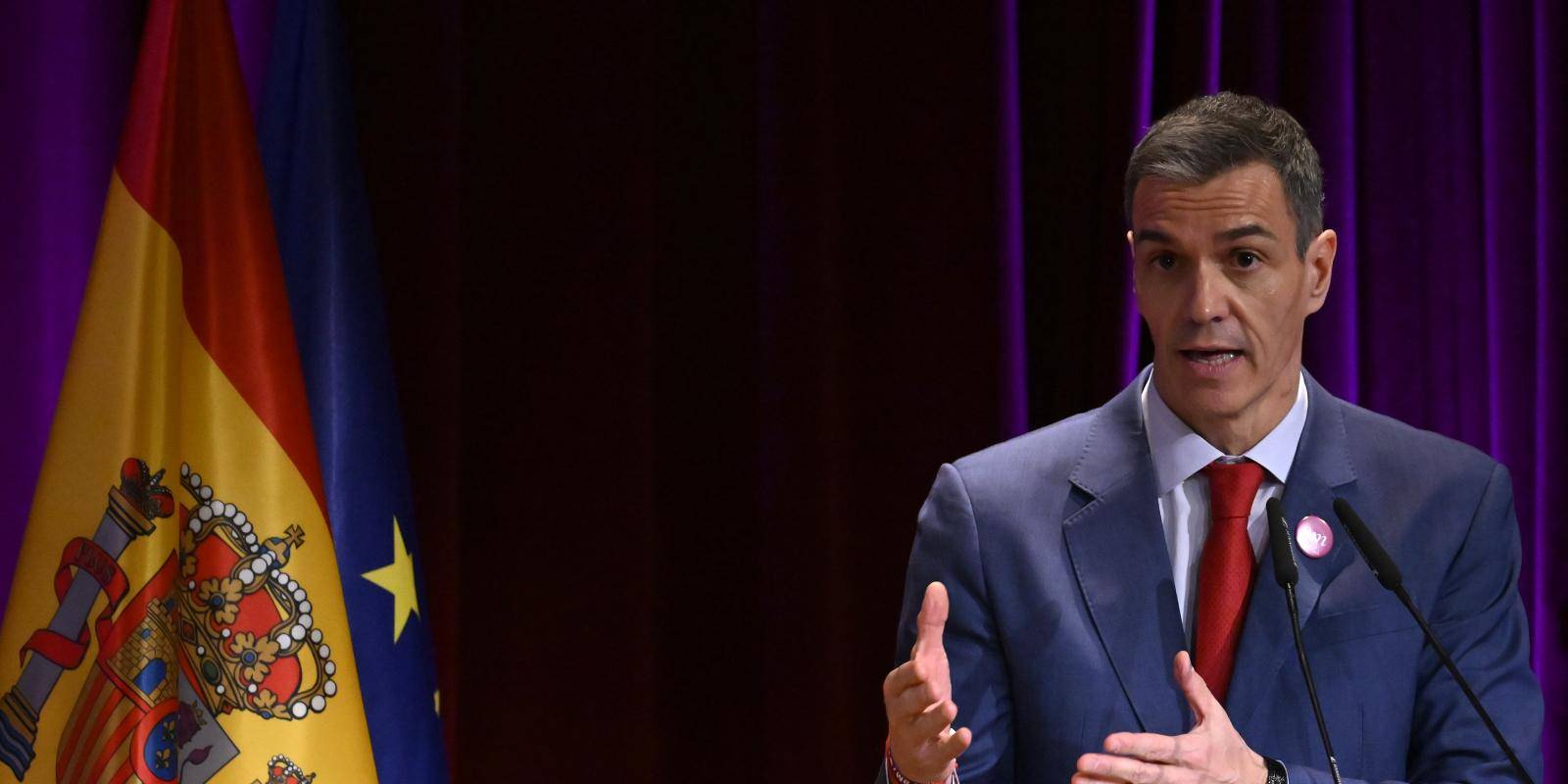
It might be argued that Spanish Prime Minister Pedro Sánchez is grandstanding to appease his further left coalition partners, or even that he is seeking a popular cause to set the agenda for an election. It is true that such a stance could benefit him in the polls – his party’s opposition to the Iraq war was central to its victory in the 2004 elections.
However, Spain’s position is also logical and consistent. Multiple things can be true at once.
Sánchez has consistently sought to defend sovereignty, multilateral action and the rule of international law. Whether in relation to Venezuela, Greenland, Gaza, Ukraine or now Iran, Spain’s position has been steady. A notable example came in 2024, when Sánchez refused to allow ships transporting weapons to Israel to dock in Spain.
Spain’s foreign minister, José Manuel Albares, clarified that ‘Spanish bases are not being used for this operation, and they will not be used for anything not included in the agreement with the United States, or for anything that is not in accordance with the Charter of the United Nations.’
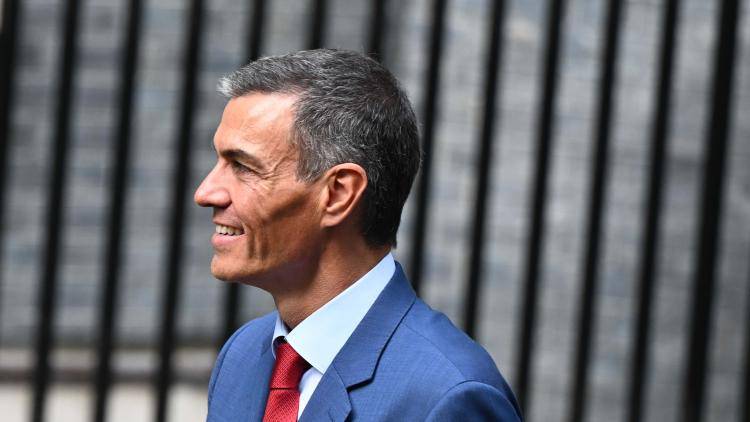
Spain’s firm opposition stands out. In contrast, Trump said that Germany had been ‘helping out’ by allowing US forces to access its bases. The UK initially turned down Washington’s request to use British bases to bomb Iran, before Prime Minister Keir Starmer announced the UK would allow the US to use its bases for ‘defensive’ strikes.
Sánchez’s principled position matters. As he put it, ‘We will not be complicit in something that is bad for the world and that is also contrary to our values and interests simply out of fear of reprisals from someone.’
Standing up to a maximalist and threatening US president is not only brave but necessary. As Teresa Ribera, the EU Commissioner for Competitiveness and a former minister in Sánchez’s government, observed, ‘What we are seeing is very similar to what happened just a month ago with those threats, also in a boastful tone, regarding Greenland.’ As Greenland shows, when Europe responds quickly and in unity, it can force the US president to reconsider.
European solidarity tested
Which brings us to Chancellor Merz. Sitting quietly in the Oval Office, he may not have realized that his ambitions to position himself as Europe’s leading voice could be slipping away. He may even have welcomed the opportunity to reinforce the argument that Spain should meet the 5 per cent defence spending target; rather than challenge Trump’s threats against Spain, Merz remarked that ‘we are trying to convince them that this is a part of our common security, that we all have to comply with these numbers.’
One could argue that this strategy was necessary to focus on the priorities that brought Merz to Washington: Do not antagonise Trump in order to secure his commitment to last summer’s trade deal, avoid further market instability and shield German industry from additional strain. But that logic collapses under scrutiny. The US president had just threatened to cut off all trade with a European Union member state.
The reaction in Madrid was understandably sharp. ‘I cannot imagine chancellors Merkel or Scholz making such remarks – it was a different European spirit,’ Albares said in an interview with the Spanish state broadcaster RTVE.