
This time was supposed to be different. There have been more than a dozen previous failed efforts at negotiations between the Venezuelan government and the democratic opposition. But many hopes were pinned on the planned 1 August meeting and its follow up on 6 August, between the interim government headed by the acting president, Delcy Rodríguez and opposition representatives.
These would, after all, be the first negotiations held after the 3 January 2026 US operation to remove Nicolas Maduro from power. With the US-installed Rodríguez in Miraflores, the presidential palace, Washington should finally have some real leverage over Venezuela’s government. Surely some progress was possible?
The first meeting wasn’t encouraging. It involved a meeting between the designated negotiator for the interim government, Jorge Rodríguez – brother of Delcy and president of the government dominated National Assembly – and the US’s handpicked opposition leader, Dinorah Figuera. Figuera is the former president of the last democratically elected National Assembly of 2015 and a leader in the opposition party, Primero Justicia. But the two failed even to meet in person. Instead, they talked on the telephone.
Statements shared by both parties after the call only offered vague topics for future negotiations – the sort of platitudes that are unlikely to inspire confidence that any sort of progress is likely.
The statements lacked any clearly stated plans to hammer out a timetable or the electoral reforms needed to establish a popularly elected government. And there are still no defined agenda items on the release of political prisoners, or how to establish the democratic rule of law.
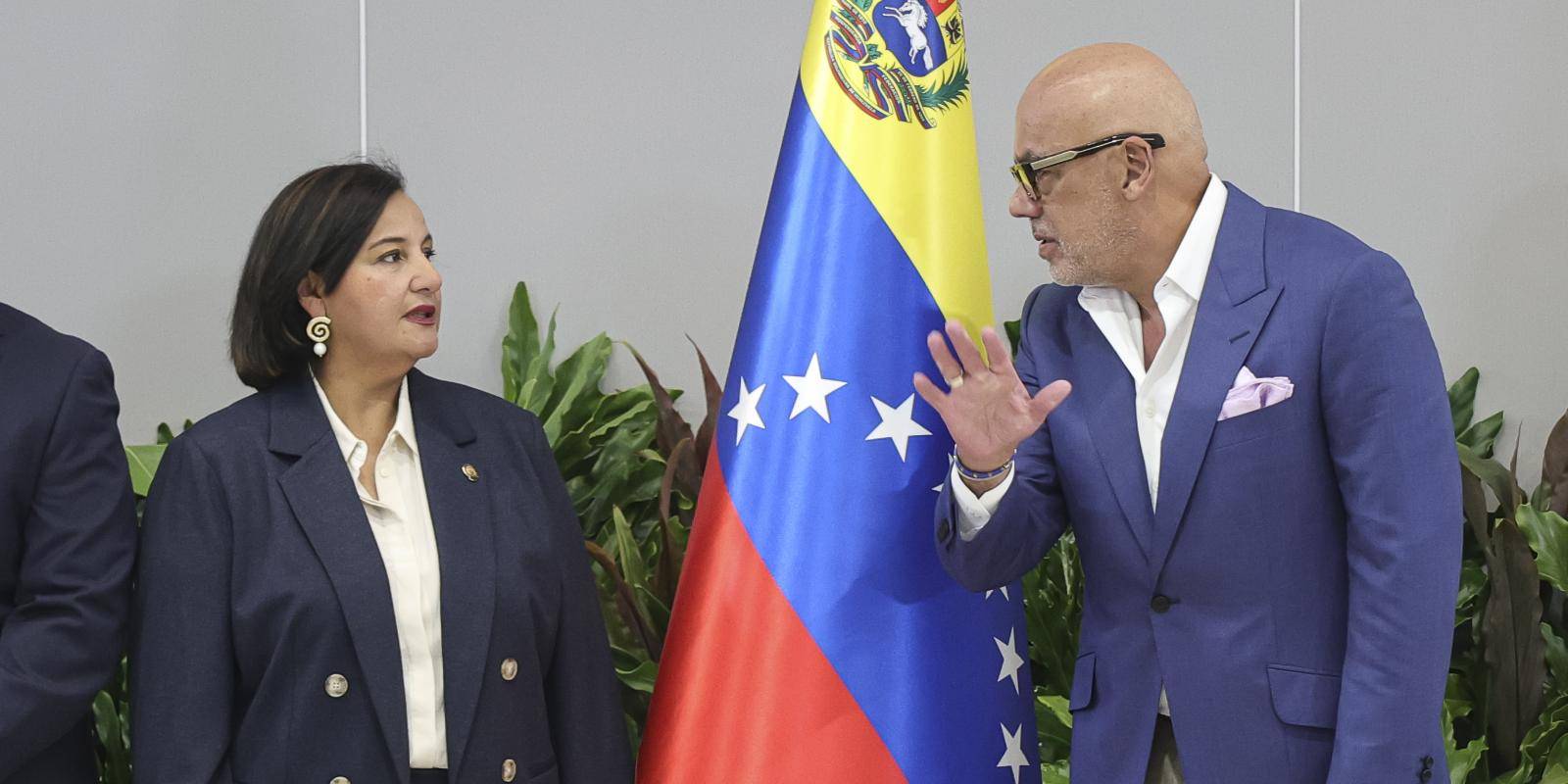
The second meeting on 6 August fared no better. This time Figuera travelled to Caracas, and met Rodríguez in person. But the results were paltry. There was a photo op, of course, but the negotiations – held without a neutral mediator – produced only general opening topics for discussion: help for earthquake victims, ‘strengthening democracy’, and political rights and guarantees.
The group failed to make progress on what could have been an easy and powerful first step – the release of the 382 remaining political prisoners in the country, as recently reported by the Venezuelan human rights group Foro Penal. The meeting even failed to set a date for the next meeting.
Negotiating without a map or an objective mediator
Venezuelans are understandably frustrated. The long-suffering population is dealing with the aftermath of the 24 July earthquake, which killed at least 6,000 citizens – a number that is sure to increase, with 50,000 missing. There is considerable anger at the interim government, already perceived as corrupt, for its handling of the emergency.
The tragedy of the earthquake should have provided a moment of national solidarity and momentum towards consensus building. Instead, it appears again that negotiations are heading down a familiar path of delays and vacuous discussions that avoid commitments, all legitimized by a misguided notion that dialogue is better than nothing.
Indeed, offering Venezuelans that chimera of ‘dialogue’ is a tactic long employed by the government – first under former President Hugo Chavez and later Nicolas Maduro – to delay and deflect.
In 2024, it was used to defraud Venezuelans of their popular vote. The decision to hold elections that year was agreed following negotiations between the government and the opposition, with the US administration of President Joe Biden hovering over discussions, offering sanctions relief as an incentive to nudge the Venezuelan regime along.
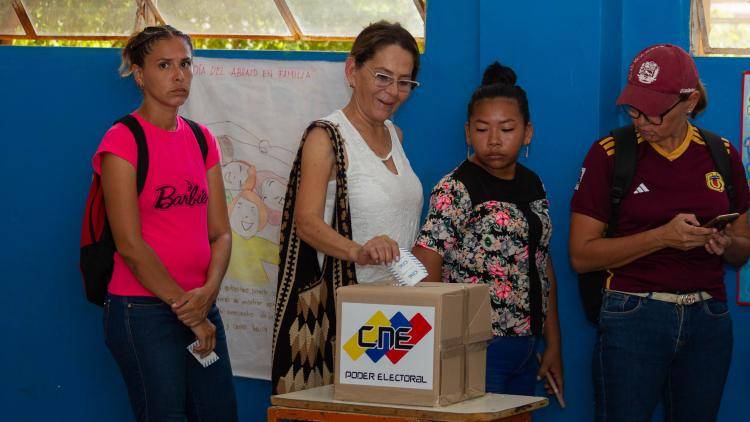
Maduro’s electoral authorities claimed the government had secured victory, without providing any evidence. International and domestic election monitors demonstrated otherwise. The opposition movement – led by Nobel Peace Prize laureate Maria Corina Machado but represented by stand-in candidate Eduardo Gonzalez Urrutia – won close to 70 per cent of the popular vote.
Who was not at the table
Both Machado and Gonzalez were passed over by the White House to represent the opposition in this month’s negotiations. Both were understandably angered to be sidelined by the White House and publicly declared their refusal to participate. They each took the position that they will judge the negotiations by their results, in terms of progress on elections and human rights. Given the failures of past negotiations, their scepticism is warranted.
The two leaders enjoy overwhelming popular legitimacy and support. But there is arguably a logic to the US administration’s decision to omit them, whether intentional or not. Including opposition leaders and their party in negotiations over electoral rules and processes could complicate matters.
Arguably, it would be better to use opposition negotiators who have no stake in electoral conditions and outcomes. That can help prevent dragging the presumptive future presidential candidate and her party, Vente Venezuela, into a prolonged discussion over the very election they will compete in. There is also the problem that Machado has historically tended to boycott negotiations: Washington may have felt that could inhibit the give-and-take and compromise necessary for successful talks.
But that assumes that the negotiations will be conducted in earnest, with details, timelines, and pressure applied equally to government and opposition. All sides must be held to any commitments they make in these discussions. There are no guarantees.
There are reasons for a healthy dose of scepticism. The Trump administration has consistently demonstrated its preference for maintaining stability and the status quo over swiftly delivering democratic change. Washington wants to maintain the illusion that Trump’s declared ‘Venezuela model’ is a successful and replicable foreign policy approach to other difficult countries – among them Iran and Cuba. As a result, it appears to be nervous about moving too fast toward elections and a political opening that will likely bring popular mobilization, uncertainty and potential conflict – undermining Trump’s repeated claims that Venezuelans are happy and ‘dancing in the streets’.
Ultimately the pace, content and outcome of the negotiation between Figuera and Rodríguez will depend on the US’s willingness to use its leverage. Based on the meetings so far, things don’t look promising. Washington and Venezuelans would have benefitted from some form of concrete commitment from these first meetings. Instead they produced a set of vague, ill-defined topics for future discussion.
Will the US force swifter progress? The outlook is highly uncertain. Specifics, timelines and in-earnest, inclusive negotiations have not been the Trump administration’s strong suit. With so much riding on maintaining the illusion of the ‘Venezuela model’ this new round of negotiations may well join the failures of the dozen or so other past efforts.
Success will depend on whether the US is willing to put some muscle into enforcing detailed steps toward what Venezuelans already demonstrated they want in 2024: change.