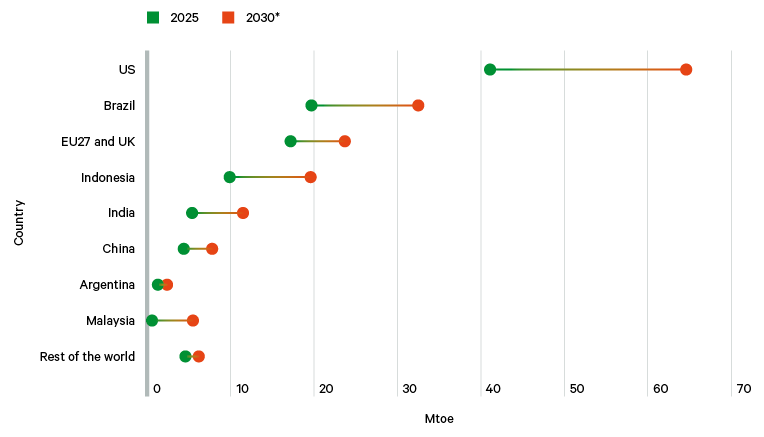
The biofuel industry has used the Gulf energy shock as an opportunity, presenting biofuels as an answer to oil-price volatility and dependence on imported fossil fuels. In the US, for example, the Renewable Fuels Association explicitly linked instability in the Middle East and rising oil prices to its renewed call for nationwide, year-round sales of E15 fuel (a blend containing 15 per cent ethanol).
The US biofuel industry is not only shaping domestic policy, but also affecting trade politics and policy debates abroad, including in the EU and the UK. Recent reports suggest that US biofuel interests have used the increased worldwide focus on energy security to advance both domestic and international policy goals, including by lobbying for the increased use of crop-based fuels, mandates for higher blending levels and increased access to foreign clean-fuel markets for US biofuel producers.
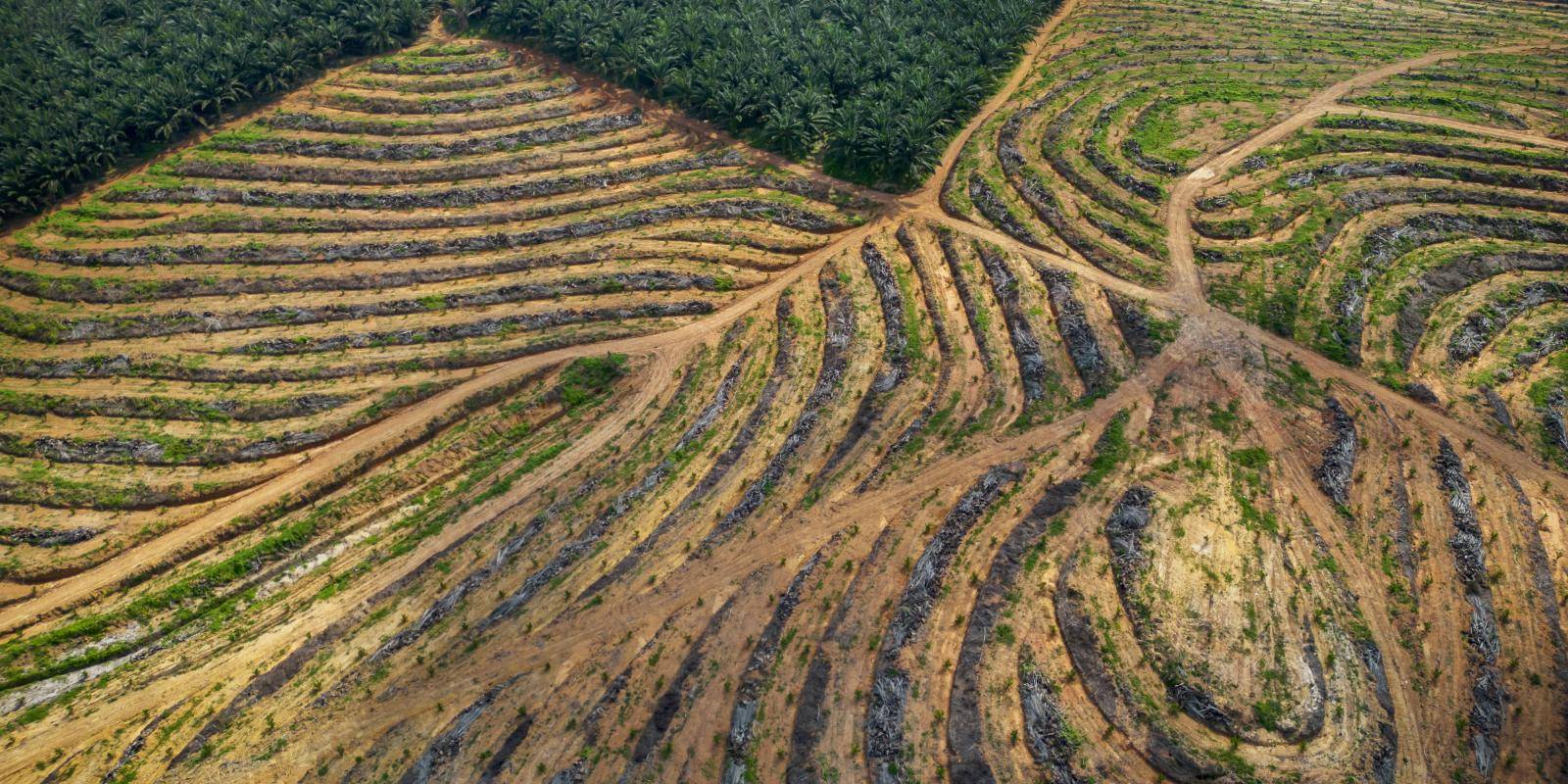
While energy security and prices are naturally a concern for many governments, uncoordinated short-term policy responses to increase biofuel production often carry risks – from food insecurity and increased consumer costs, to land degradation and deforestation – and can prove to be inefficient uses of natural and fiscal capital. In the short term, policy responses may send a price signal to crop producers to sell-down stocks, increase output and divert crops from food to feedstocks. Over time, market signals may weaken and lead to demands for governments to subsidize production, as rising input costs and feedstock drawdowns erode the profit margins of producers. Such subsidies would risk diverting resources away from other public-spending priorities that could support sustainable economic growth and have broader social benefits.
These policies are also counterintuitive as, by 2025, electrification of transport and the expansion of renewables had already reduced demand for petrol and diesel – particularly in Europe, China and other fast-growing electric vehicle (EV) markets. EV sales in emerging markets outside China also grew significantly, by around 80 per cent over that year, with Brazil, India, Mexico and southeast Asia registering particularly rapid growth.
Large-scale public capital expenditure on biofuel projects would be better spent supporting the long-term transition to electrification.
Biofuels make little sense as a fuel for passenger transport, as biofuel-powered combustion vehicles remain exposed to crop, fertilizer and fuel volatility. Biofuels can serve a purpose as transitional or ‘drop-in’ fuels for heavy trucks where batteries face weight and range limits. But for consumers, EVs are a more cost-effective option for light-duty transport than advanced ethanol or biodiesel: running costs for EVs are often around 40–50 per cent lower, because battery-powered EVs use around 70 per cent less energy per kilometre than comparable petrol cars.
Yet the Gulf oil shock has changed the policy calculus for governments, which are increasingly treating biofuels as a rapid and politically expedient way to reduce exposure to oil imports and fuel-price volatility. The result is a potential divergence between long-term trends in favour of transport decarbonization and electrification and short-term energy-security responses that are pushing countries back towards the use of crop-based liquid fuels.
In markets already expanding renewable electricity sources and electrifying road transport, large-scale public capital expenditure on biofuel projects would be better spent supporting this long-term transition to electrification. At the same time, any pro-biofuel policy support and signals must avoid exacerbating pressures on food security and incentivizing land-use conversion.