In 2026, as oil prices rose and concerns over fuel-supply disruptions intensified, governments have moved rapidly to strengthen domestic biofuel blending mandates and expand their biofuel production capacity. As a result, biofuels have gained renewed political momentum as a substitute for imported fossil fuels, particularly in those transport sectors still dependent on liquid fuels. However, the speed of the policy shift has also created significant risks: sustainability safeguards, land-use planning, feedstock traceability and food-security considerations are increasingly being treated as secondary to immediate energy security objectives.
Some of the most notable developments have been in the US, Brazil, Indonesia, the EU and India, although other countries – particularly in southeast Asia – have also made important changes to their biofuel mandates.
The US is leading the push towards more expansionary policies. Roughly 40 per cent of US corn demand already comes from ethanol producers. In March 2026, the Environmental Protection Agency finalized the ‘Set 2’ Renewable Fuel Standard rule, setting record targets for 2026 and 2027. The rule envisages a 60 per cent increase in biodiesel and renewable diesel production, while also removing restrictions on the sale of E10, a fuel containing 10 per cent ethanol. The Renewable Fuel Standard decision was welcomed by agricultural and biofuel interests as a measure to strengthen ‘American energy’ and increase demand for domestically produced corn and soybean oil. Other US policy reforms include the elimination of EV credits, which has reduced the uptake of EVs.
Brazil is the world’s second largest producer of ethanol and the third largest producer of biodiesel, making it one of the most advanced biofuel economies. It has some of the world’s highest government-mandated biofuel blending requirements, at 30 per cent for ethanol and 15 per cent for biodiesel. In response to rising fuel prices, an increase in share of ethanol blends in petrol to 32 per cent and tax exemptions for biodiesel producers are reportedly being considered. Under the Fuel of the Future Law, a technical subcommittee is also exploring the feasibility of increasing ethanol blending mandates further still, to 35 per cent for ethanol and to 20–25 per cent for biodiesel.
Unlike some other major producers, Brazil has an abundance of degraded land that can support biofuel production without additional clearances. The Brazilian National Biofuel Policy (RenovaBio) incentivizes biofuel production on previously degraded lands through voluntary market credits which disallow production in areas where there has been suppression of native vegetation. Additionally, RenovAgro provides credit to farmers recovering degraded pastures and shifting them into productive integrated cropland-livestock-forestry systems, allowing biofuel feedstock producers to scale up production without clearing new land.
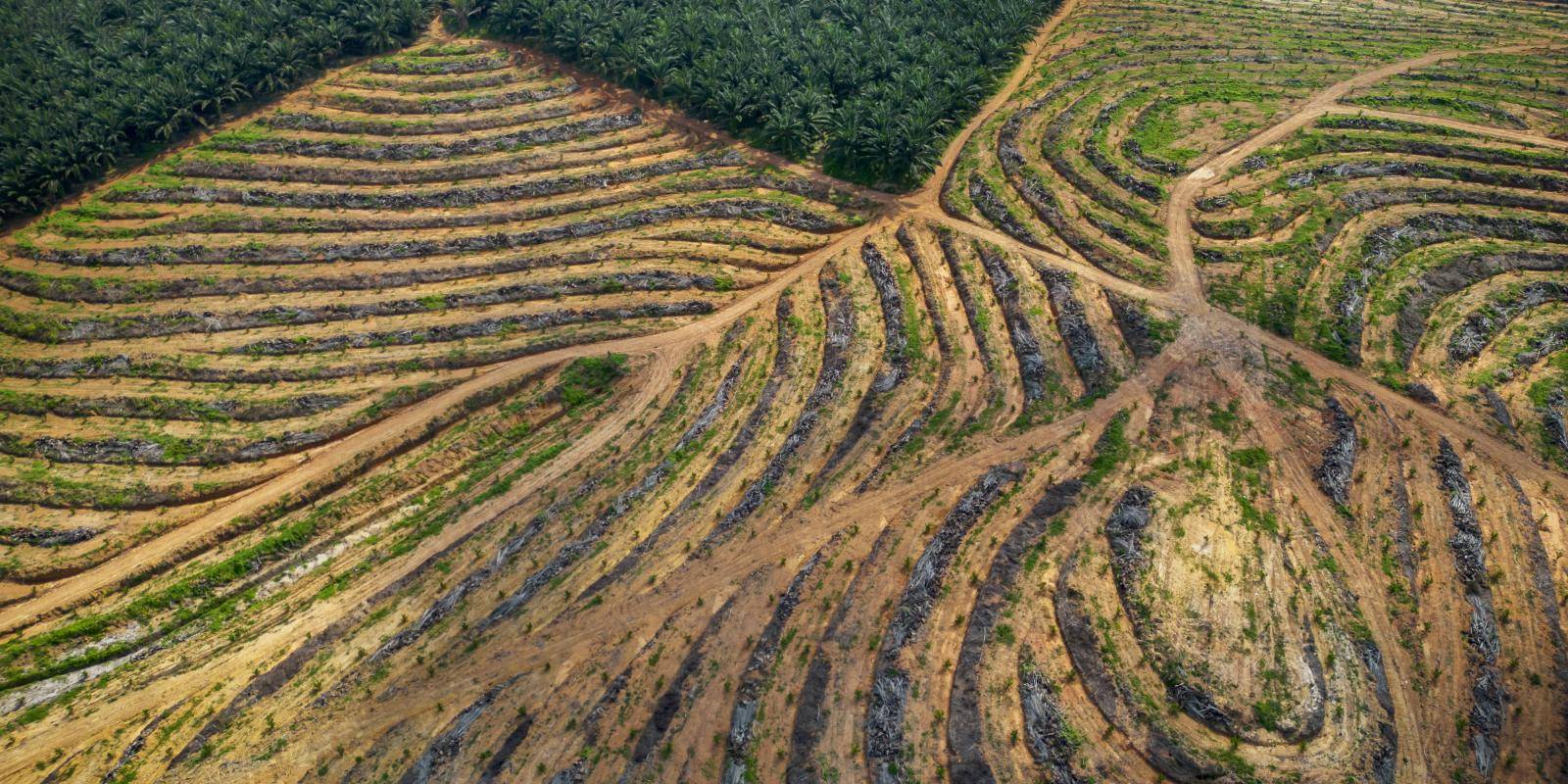
In Indonesia, the government is changing its blending mandate from B40 (a 40 per cent biodiesel blend) to B50 palm oil-based biodiesel (a 50 per cent blend) from 1 July 2026 as part of a new energy security strategy. This change reverses a previous decision to postpone an increase to B50, which was described at the time as a responsible approach that prioritized sustainable long-term implementation. While accelerated implementation of B50 could reduce diesel imports, it will likely also substantially increase domestic demand for palm oil and require a major expansion of biodiesel production capacity. In February 2026, Indonesia confirmed a ban on exports of crude palm oil mill effluent and crude used cooking oil to secure supplies of domestic feedstocks for the biofuel industry. There are also export opportunity costs when palm oil is diverted from high-value international markets to domestic production.
The EU is much more dependent on imports than other major biofuel markets, with EU-produced fuels and feedstocks amounting to only 40 per cent of all biomass feedstock used inside the bloc. In April 2026, the EU announced that it is considering increasing the limit on blending ratios from E10 to E20, but no policy decision has yet been made. The Renewable Energy Directive (RED III) caps the contribution of food and feed crop-based biofuels like ethanol to national renewable transport targets, though many member states have the potential to add production capacity under the cap. Any additional ethanol beyond the RED III cap would need to be advanced or waste-based biofuels. Separately, as some member states are discontinuing the double-counting of certain waste-based biofuels towards compliance targets under RED III, demand for first-generation, crop-based biofuels is expected to rise within the existing cap.
While not related to the closure of the Strait of Hormuz, long-term binding targets for aviation fuels require significant increases in blending ratios of sustainable aviation fuels (SAFs) with kerosene, increasing the share of SAFs from a 2 per cent minimum in 2025 to 70 per cent in 2050. This policy is designed to avoid an expansion in the use of first-generation biofuels. A rising synthetic-fuel sub-mandate – reaching 35 per cent by 2050 – means biofuels from used oils and fats or from biowastes and residues can supply, at most, half of the SAF requirement by then. The remainder will have to come from synthetic fuels. In April 2026, the European Commission also adopted a draft regulation that updates the methodology and data used to determine which biofuels are at high risk of causing indirect land-use change. If approved, the new rules would require feedstocks deemed ‘high-risk’ – which would include soybeans – to be phased out by 2030.
Biofuels have long been a key component of India’s energy strategy. A National Policy on Biofuels was released in 2018. It set blending targets for ethanol and biodiesel at 20 per cent and 5 per cent respectively by 2030. The policy was amended in 2022 to bring forward the blending target of 20 per cent bioethanol in petrol to 2025–26. Additional feedstocks were also permitted to be used for the production of biofuels and maize has since become India’s leading feedstock for ethanol. India has also allocated an extra 5.2 million tonnes of rice to ethanol production, using excess rice stocks that have built up over nearly two years of export restrictions. Most recently, in June 2026, as a response to the oil crisis, the Indian government has cleared the regulatory framework for the use of a 100 per cent ethanol fuel (E100).
Countries elsewhere are also raising biodiesel targets in response to high oil prices and energy-security concerns. For example, in Malaysia, the government has begun to increase the national biodiesel blend from B10 towards B15, starting at B12 from 1 June 2026. It is also planning phased infrastructure upgrades to support future B20 and B30 blending in selected areas, while studying the feasibility of B50 blends. Thailand has also shifted its policy in 2026, moving back towards a 7 per cent biodiesel blend, having previously cut its blending mandate to 5 per cent during a period of high palm oil prices. The Thai government is also expanding the availability of B20 for transport and industrial users to lower fuel costs and support domestic palm growers.