Despite direct disruptions to agricultural production and trade from the Gulf region having limited global impacts, prolonged disruption in the Strait of Hormuz – which persists at the time of writing, despite the June 2026 Islamabad Memorandum framework agreement between the US and Iran – could have significant consequences for global food security.
In a May 2026 base-case scenario, in which passage through the strait became possible in July and traffic returned to normal by December, food commodity prices were expected to rise by only 3 per cent this year due to plentiful recent grain production across the world. (In reality, by July, prices for grains and oilseeds were already averaging 7 per cent higher than in February.) However, an alternative scenario in which the blockade continued beyond July and was combined with El Niño-related disruptions to agriculture could lead to up to an additional 70 million people facing acute hunger and food insecurity by 2028, according to the World Bank.
Prolonged disruption in the Strait of Hormuz could have significant consequences for global food security.
Energy prices influence agricultural markets through energy-intensive agricultural inputs (machinery and transport fuels, fertilizers and pesticides) and biofuel production. Brent crude oil prices spiked from $72 per barrel the day before the war broke out to $138 in April. In the first 150 days following the outbreak of war, prices averaged $99 per barrel, compared with $66 per barrel over the previous 150 days. Beyond price effects, fertilizer supply chains have also been significantly disrupted, due to concentrated production in the Middle East: approximately 30 per cent of global crude oil and fertilizer trade transits the Strait of Hormuz.
Most of the price effects from energy on agricultural markets come from agricultural inputs, but biofuels also play an important role. This role is expanding as the war goes on. As oil prices have risen, biofuels have become more competitive on cost – in the short-term – in comparison with petroleum fuels. Policy changes targeted at energy security have also incentivized domestic energy production to reduce fossil fuel dependencies in the transport sector.
By prioritizing energy prices and energy security in the short term, some policy responses may be trading off against increased food insecurity in the medium term. As biofuel output increases, so do competition and prices for agricultural inputs and staple commodities that can have a dual purpose as feedstocks and foodstuffs. (Examples include maize, rice, wheat, sugar cane, oilseeds and vegetable oils.)
In this context, any additional shock – such as extreme weather disrupting harvests, droughts affecting water levels and limiting passage through other maritime chokepoints like the Panama Canal (where daily vessel transits are already being restricted), and disputes blocking transit through other chokepoints, such as Bab el-Mandeb (which is looking increasingly likely) – could severely affect food prices and worsen food security.
Without adequate consideration of direct and knock-on effects to food security, higher blending mandates risk creating artificial scarcity of the inputs essential for food production. One recent analysis identified that around 5 per cent of fertilizer nutrients are already being diverted towards fuel production. If higher biofuel blending mandates accelerate this trend, fertilizers could become less available and less affordable for food producers.
The prospect of a strong to very strong El Niño in 2026/27 will make the situation worse, as it would raise the risk of drought, heat, flooding and pasture stress. El Niño-induced droughts can lead to the loss of food crops – which would be particularly damaging in areas where agriculture is rainfed, and in low-income and import-dependent countries that are already food insecure.
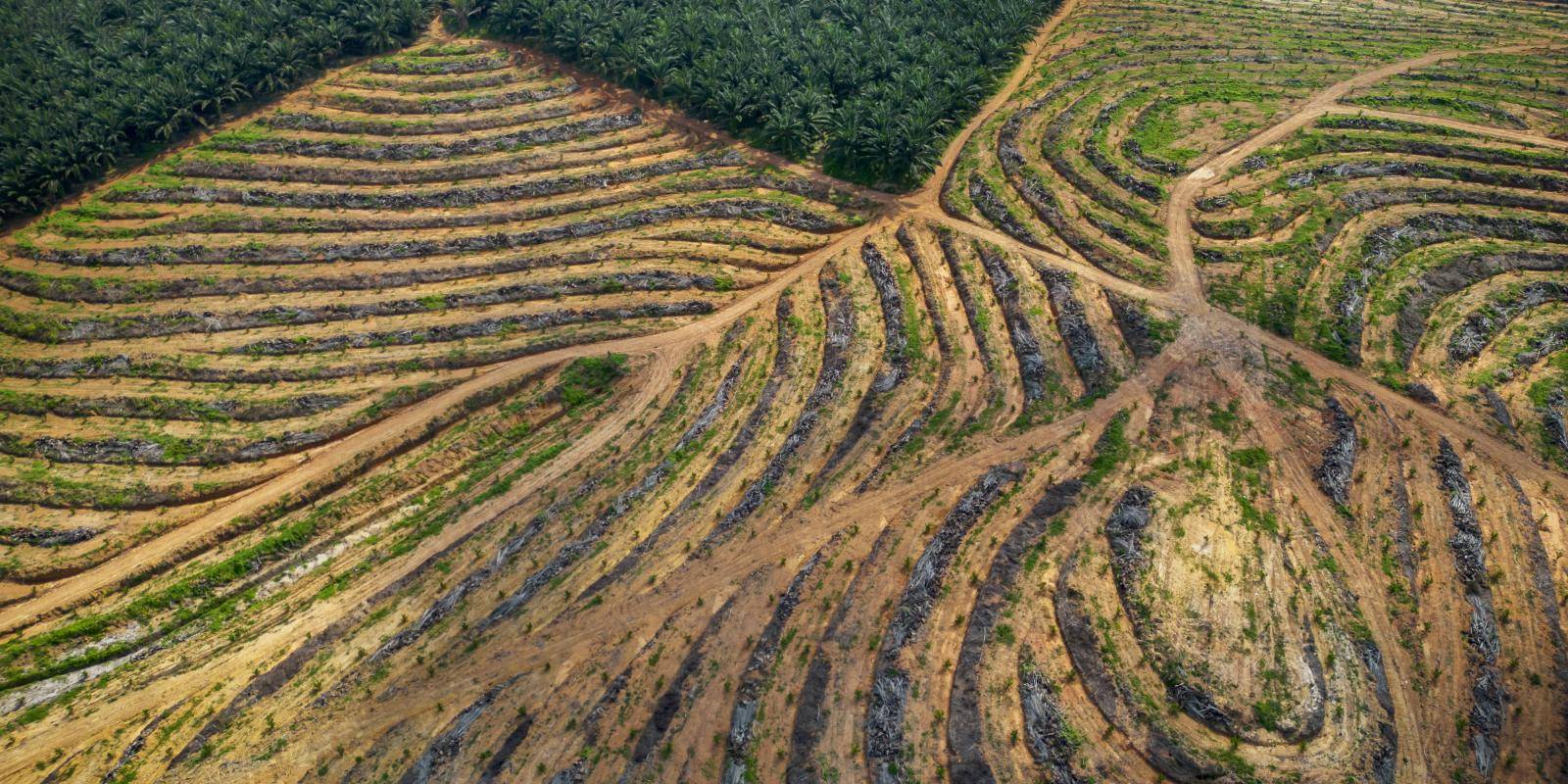
Projected El Niño conditions and drought risks in southeast Asia are already being linked to a reduction in crop outputs from palm oil. For example, Indonesia’s crude palm oil production could fall by 2 million tonnes this year compared to 2025 levels – a reduction which has been attributed to El Niño-induced dry weather and high fertilizer prices. The government has responded with plans to centralize control over palm oil exports and could introduce export bans to support domestic energy supplies, which would have adverse secondary effects for food security in countries like India that rely heavily on imports of Indonesian palm oil.