

You visited Havana earlier this year. What does life look like for Cubans?
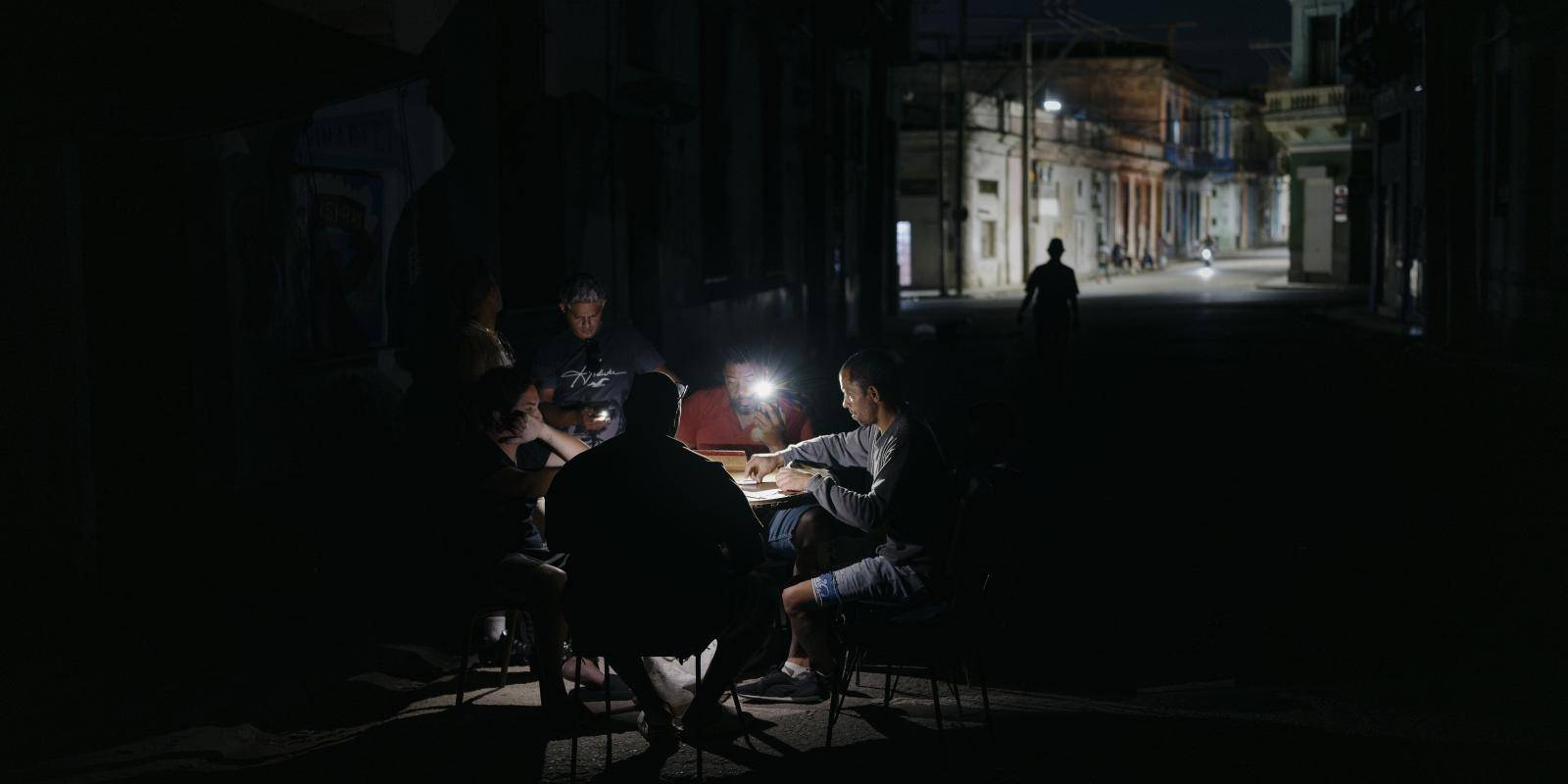
I’ve been to Cuba five times before, but things are significantly worse [since the US tightened its oil embargo in January]. People are trying to survive, but they are struggling to access even basic necessities such as food and medicine. In Havana, electricity can be cut off for hours each day, and the situation is worse in some provinces where blackouts can last for more than 30 hours at a time.
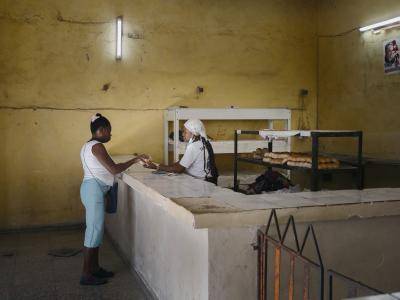
Bread rolls are the only item on offer as food is rationed in government shops. Photo: Daniel Desormais/ Panos Pictures.
Fuel has been rationed for years, with queues at petrol stations and prices prohibitive for many Cubans. I met a schoolteacher in Havana who had just endured a 15-hour power cut. She told me when electricity finally returns, everyone rushes to charge their phone, do the laundry and cook before it goes off again.
During power cuts, many people cook however they can, often on balconies or outside their homes, burning wood or charcoal in improvised stoves made from old metal cans. Most survive on rice and beans, while meat is rare because refrigerators cannot stay cold during prolonged outages. Milk is also increasingly difficult to find.
Salaries remain low – typically around 3,000 to 4,000 pesos (£90 to £120) a month – while the price of basic goods continues to rise. Much of the food available in the few shops that remain stocked is simply unaffordable for many. Even a bag of cat or dog food can cost the equivalent of several weeks’ wages. In one pharmacy I visited, the only item available for sale was herbal tea.
How are Cubans coping?
Cubans are remarkably resourceful. I saw people washing plastic bags and hanging them out to dry so they could be reused. These bags are designed for single use only and are so thin they tear easily. Nothing is thrown away if it can still serve a purpose.
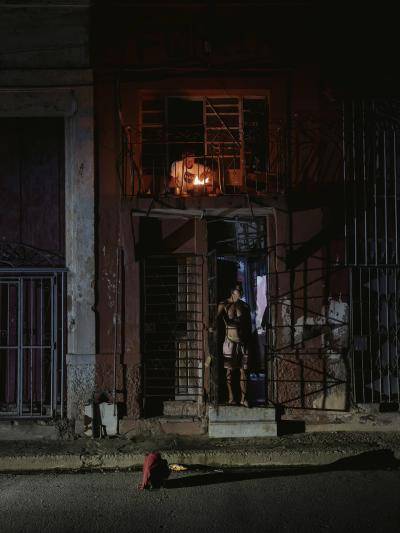
A man cooks outdoors on his balcony. During power cuts many Havana residents are forced to rely on improvised stoves made from old metal cans. Photo: Daniel Desormais/ Panos Pictures.
People repair and repurpose almost everything. I even saw families washing disposable nappies. One man I met was salvaging metal from old mattress springs to make new objects.
Some are coping better than others. Those with relatives overseas who send back money are able to buy battery-pack generators that let them keep the lights on. For everyone else, prolonged power cuts mean living in the dark.
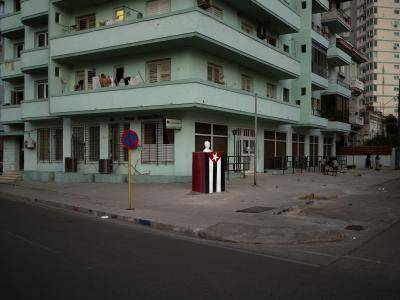
A bust of José Marti, liberator of Cuba from Spanish rule, on a plinth at a Havana street corner. Photo: Daniel Desormais/ Panos Pictures.
Who do people blame for the situation? Do they talk about the US embargo tightened under Donald Trump?
People didn’t assign blame so much; they were simply exhausted by the situation. Many felt trapped between two governments and believed they were the ones paying the price.
On previous trips to Cuba, I rarely saw anyone wearing clothing featuring the American flag. This time it was common to see hats and T-shirts with the Stars and Stripes. By contrast, portraits of revolutionary heroes Fidel Castro and Che Guevara – once seen almost everywhere – were noticeably less visible.
People are cautious about talking politics. There is an awareness that criticizing the government can carry consequences, so most conversations remain careful and discreet.
What is the atmosphere like on the streets? Is there any sign of tension?
More than tension, I sensed resignation. As a documentary photographer, I’ve worked in many places affected by conflict, poverty and humanitarian crises. Often there comes a point when frustration spills over and tensions break out. Even during the pandemic, people in much wealthier countries fought over basic supplies such as toilet paper.
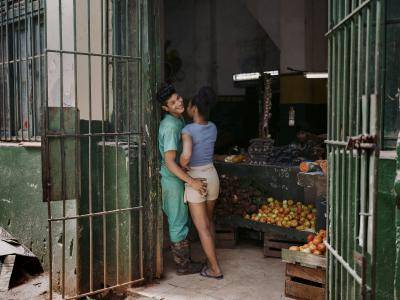
A young man and his girlfriend in the entrance to a fruit and vegetable market. Photo: Daniel Desormais/ Panos Pictures.
I didn’t see anything like that in Cuba. Despite having very little, people were welcoming, generous and willing to help strangers. There was music in the streets, with batteries used to power loudspeakers, and there was dancing too. But it didn’t feel like a celebration. The atmosphere was calm.
Music seemed less like an expression of joy than a way of making life a little more bearable. More than anything, people seemed to be waiting – uncertain about what comes next.
Did you travel outside Havana?
I travelled to the province of Matanzas, about 40 kilometres outside Havana. I wouldn’t say life was any easier in the countryside. Poverty is widespread, but at least families there are able to grow their own food. It’s a hand-to-mouth existence.
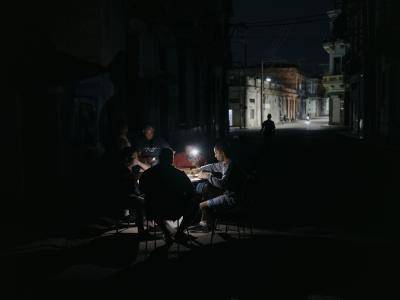
People chat by the light from a petrol station which has been without fuel for most of this year. Photo: Daniel Desormais/ Panso Pictures.
I met people growing a handful of watermelons, planting new seeds immediately in the hope of harvesting a few more the following season. Rather than selling their produce, they often exchanged it with neighbours.