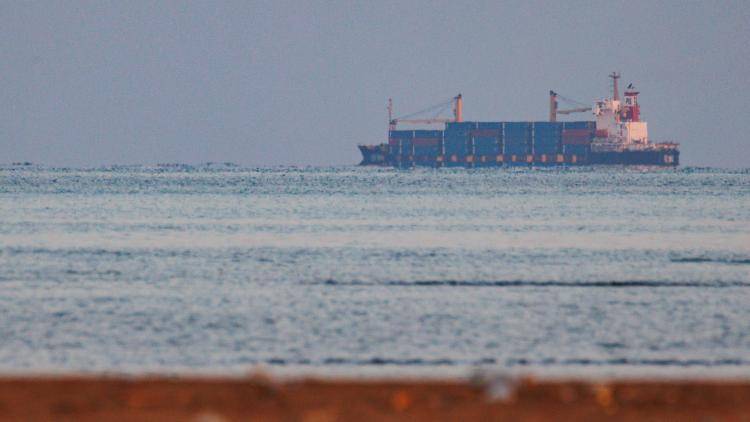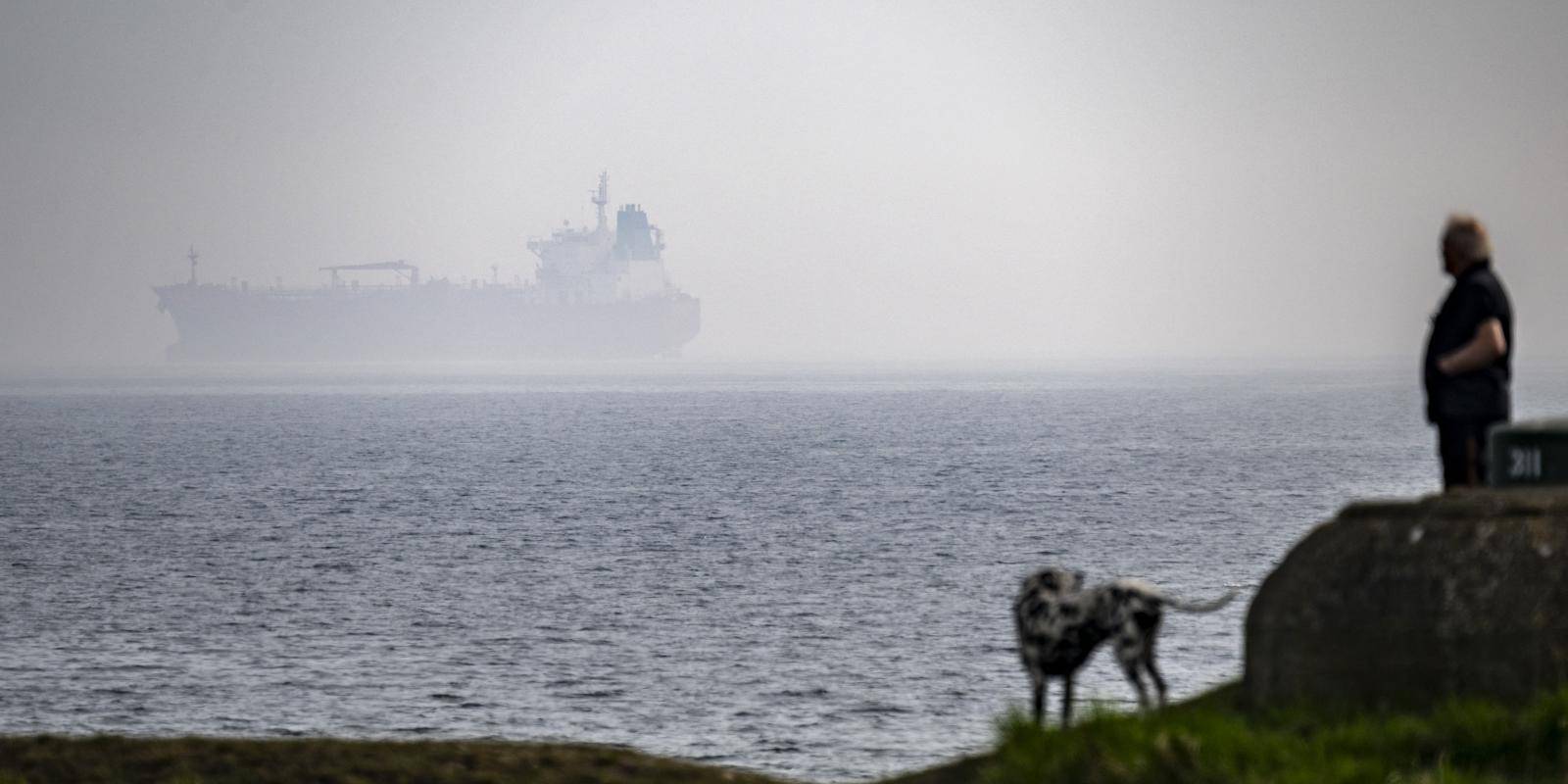

For decades, clandestine networks of ships have been used to bypass international sanctions and smuggle embargoed oil from Russia, Iran and Venezuela around the world. Their methods include turning off tracking transponders, swapping flags of convenience and conducting risky ship-to-ship transfers at sea.
Since the Russian invasion of Ukraine in 2022, however, the scale and character of this ‘shadow fleet’ has transformed dramatically. Before the war, around 200 dark ships were believed to be operating. Today, estimates suggest the fleet comprises more than 1,300 vessels and accounts for at least one in every five oil tankers worldwide. Though the majority are linked to Russia, they cannot be easily attributed to any one country because they operate under shell companies with opaque ownership.
Policymakers in the West have tended to treat this rise in shadow fleet activity as a temporary response from sanctioned countries to get round western embargoes and keep their discounted oil moving. But as time goes on, the shadow fleet is becoming a more formal feature of global trade, supported by its own sources of finance, insurance and military protection.
Meanwhile, fuel shortages triggered by the closure of the Strait of Hormuz are driving up demand for sanctioned crude oil - now accounting for 18 per cent of global tanker capacity.
As the issue of sanctions continues to shape negotiations between the United States and Iran, and in the Russia and Ukraine war, western policymakers must consider the role sanctions play in encouraging this rival maritime system. In other words, what might happen if the shadow fleet becomes a ‘parallel’ fleet, a permanent feature of the global shipping landscape?
Formalizing the fleet
One way in which the shadow fleet has become more institutionalized is through the insurance sector. Historically, shipping insurance was dominated by western companies, many of whom still offer insurance to dark vessels via a variety of legal workarounds.
As the barrage of international sanctions has increased, however, many western firms have stopped insuring these high-risk vessels. Russian companies have responded by expanding their own insurance markets. In 2024, Russian marine insurers reported a 42 per cent increase in hull and machinery premiums. Today, nearly one in three tankers crossing the Baltic carries certificates from Russian or Russian-linked insurers. This growth is mostly concentrated in the shadow fleet, although Russian brokers insure regular vessels as well.
In 2024, India approved four Russian insurers to provide cover for tankers, allowing vessels carrying Russian oil entry to Indian ports, furthering the dark fleet’s efforts to bypass western institutions. The mechanisms that finance the shadow fleet are also becoming more formalized. This has seen the initial, decentralized system of sanction evasion evolve into a more coordinated approach across non-western economies.
The rise of global, non-dollar trade among the BRICS countries in recent years has helped this process. Before western sanctions, Russian exports were predominantly settled in US dollars and euros, but by 2024, 36 per cent were paid for in Chinese yuan - almost no Russian exports were settled in yuan in 2022. Likewise, India, the second-largest purchaser of Russian oil, bought $6.7 billion worth of crude from Moscow in June 2026 alone. Those deals were mostly conducted in Chinese yuan and Russian roubles.
Rising demand for sanctioned oil is entrenching the dark fleet further into the global economy. Following the energy shock triggered by the Strait of Hormuz closure earlier this year, countries turned to sanctioned crude as an alternative. In March, for example, the Philippines’ sole oil refinery said it had bought 2.5 million barrels of Russian crude to bolster dwindling stock, while in July a dark tanker conducting ship-to-ship transfers of Iranian oil was spotted in Malaysia’s Eastern Outer Port Limits zone. These shortages haven’t just increased tolerance for the shadow fleet but provided it an important source of liquidity.
Risk of confrontation
The US and Europe have responded to the growing presence of dark vessels by conducting more ship interdictions. In the first six months of this year, nine suspected shadow fleet vessels were seized across Europe, including four by France. In June, Britain’s Royal Navy intercepted a Russian shadow fleet vessel in the English Channel. The tanker, which was flying under the Cameroonian flag, was seized with more than 100,000 tonnes of Russian crude.
But this increase in western policing has accelerated Moscow’s formal involvement in the global dark fleet. In June 2026, Russia drafted a presidential decree to give Russian flag status to more shadow fleet ships, thereby bringing them under state protection.
American and European officials have acknowledged that seizing a vessel flying the Russian flag would be far riskier as it raises the likelihood of a military confrontation. Recent skirmishes prove the point. In May, after Estonia’s attempt to detain the sanctioned Russian oil-tanker Jaguar in the Baltic, Russia dispatched a Su-35 fighter jet into NATO airspace. In August, Putin reiterated his threat of direct retaliation for Europe’s seizures of Russian merchant vessels, describing such moves as ‘acts of piracy’.
Meanwhile, more countries have become involved in the protection of the shadow fleet. Earlier this year, India and Russia signed a five-year military agreement that permits up to five warships from each country to be deployed in one another’s territories, allowing more mutual naval support. This has led the European Union to authorize its naval forces in the Indian Ocean to intercept suspected shadow fleet ships - furthering this cycle of escalation.
Ripple effects
Yet the expansion of the shadow fleet carries risks beyond confrontation. By creating an alternative for ship registration, insurance and safety, countries are increasingly buying into a bifurcated world trading system. According to several maritime executives who took part in Chatham House’s Global Shipping Roundtable in June, the indications that the shadow fleet is becoming a parallel fleet is both a symptom of this fragmentation of the status quo and a sign of a splintering international order.
As Russia’s shadow fleet continues to move discounted oil around the world, it increasingly insulates itself from regulations in the western financial system. This matters because it reduces the effectiveness of western regulatory and financial power; most importantly, sanctions. Leaders, whether in Moscow or elsewhere, may conclude that the economic costs of military action are lower than previously assumed, creating the preconditions for wider global conflict.