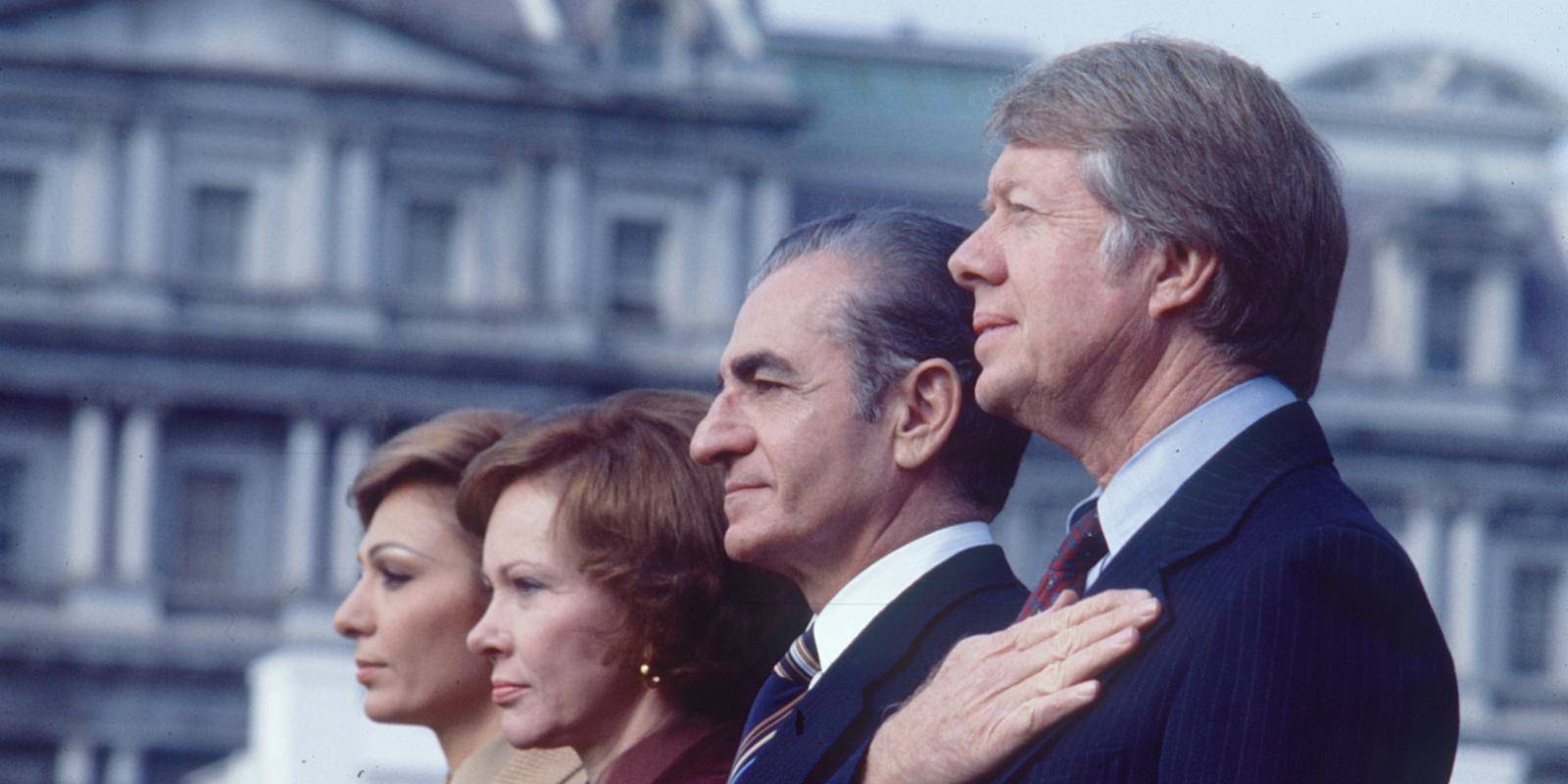

Enduring Hostility: The Making of America’s Iran Policy
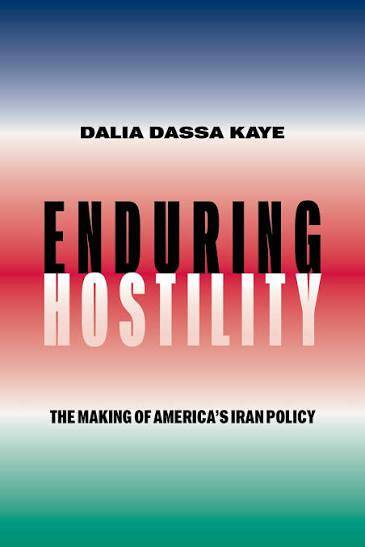
By Dalia Dassa Kaye, Stanford University Press, £18.99
Why has Washington failed to normalize relations with Tehran despite changing foreign policy approaches across successive US administrations? This is the question Dalia Dassa Kaye addresses through her ‘detailed and nuanced analysis’ of the ‘enduring hostility’ between the two countries.
The book’s main contribution, according to reviewer Jérémy Dieudonné, is its demonstration of the key contradictions underlying the past few decades of America’s Iran policy. Kaye identifies three distinctive paradoxes in US thinking since the Carter administration and the 1979 Islamic Revolution. First, she argues that hostility towards Tehran has become more acceptable in US policy circles, rather than peaking in the aftermath of the revolution as perhaps expected. Second, the longstanding framing of Iran as ‘uniquely threatening’ to the US does not reflect its physical capabilities, which have been more limited than those of other US adversaries such as Russia or China, and even North Korea. Finally, she highlights the contrast between Washington’s antagonism towards Tehran and the close relationships it has developed with other countries in the region.
The book also ‘convincingly demonstrates’ how domestic dynamics have made Iran a politically toxic issue in Washington in recent decades, further limiting potential for diplomatic engagement.
The full review appears in the July 2026 issue of ‘International Affairs’
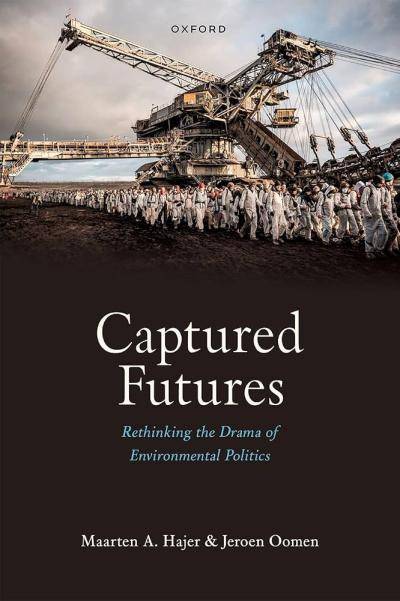
Captured Futures: Rethinking the Drama of Environmental Politics
By Maarten A Hajer and Jeroen Oomen, Oxford University Press, £99
The failure to tackle the climate crisis is not down to a lack of political will, write Hajer and Oomen, but is due to environmental politics becoming overly performative. The book argues that all actors – from policymakers to journalists and activists – operate in a ‘dramaturgical regime’ that places too much faith in technological innovation over radical action to challenge capitalism.
For reviewer Daksha Gupta one particularly interesting case study focuses on how the abstract target of 1.5C has become ‘increasingly authoritative’ in mobilizing action, yet ‘detached from its original commitments of climate justice’.
The full review appears in the July 2026 issue of ‘International Affairs’
The Art of Coercion: Credible Threats and The Assurance Dilemma
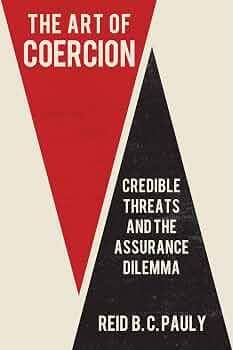
By Reid BC Pauly, Cornell University Press, £20.99
Why are strong states so bad at coercion? In his book examining counter-nuclear proliferation efforts in South Africa, Iraq, Libya and Iran, Pauly explains why the threat of tougher punishment alone is not enough to make states back down; they also need credible assurances that they will not be punished if they do comply.
For reviewer Rabia Aktar, the author convincingly argues that in the case of Iraq between the two Gulf Wars, Saddam Hussein did not cave in to US pressure to comply with weapons inspection processes because America refused to send assuring signals that punishment would be conditional.
The full review appears in the July 2026 issue of ‘International Affairs’
International Politics of Sex: Bodies, Images, and Russian State Homophobia
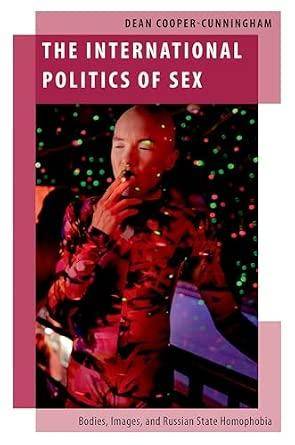
By Dean Cooper-Cunningham, Oxford University Press, £19.99
Does sex matter geopolitically? Cooper-Cunningham’s new book, which examines the role of Russian state sponsored homophobia in legitimizing the war in Ukraine, makes a powerful case for why it does. The book documents how the Russian state has consistently presented Europe and the West as ‘Gay-ropa’; where queer activism threatens Russian national identity and security.
According to reviewer Sophie Harman, the book’s analysis of media, memes and body-based activism in Russia offers a powerful insight into the global far right’s mobilization of homophobia in pursuit of a new world vision, and how the international reaction fuels this narrative further.
The full review appears in the September 2026 issue of ‘International Affairs’