Author:
David Martin Jones and M. L. R. Smith
Geopolitics runs as a theme through several of the articles in the September issue of International Affairs. In the lead article, David Martin Jones and M. L. R. Smith argue that modern western diplomacy needs to revisit early political thinkers’ rationalist understanding of statecraft if security threats - such as that posed by ISIS - are be countered more effectively.
This worldview assumed that shared norms and transnational institutions would transform the state based-order.
In this context, the use of force is considered appropriate only for humanitarian
ends meeting a set of predetermined axioms laid down in chapter 7 of the UN
Charter. Yet for any strategy to be effective—in an international order subject to
change—a clear political aim is required, which might deviate from the general
rule. Preoccupied with universal postulates, legal normativism has lost sight of the
particular. The argument put forth in this article is that the failure of contemporary
western foreign policy in the twenty-first century to address this limitation or to
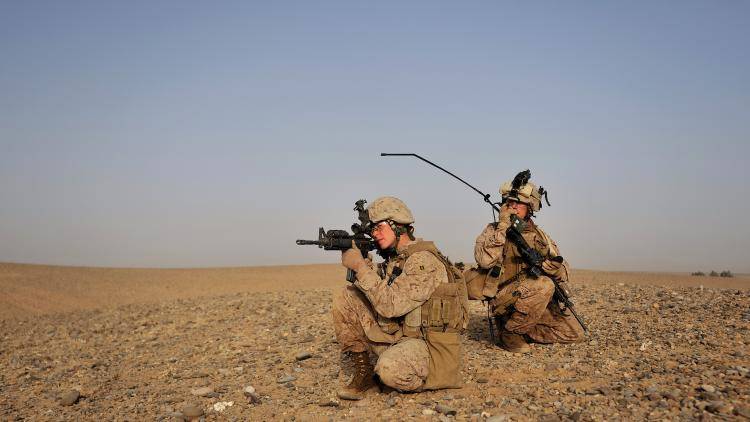
prioritize political ends has led to strategic confusion from Afghanistan to Syria
and Ukraine. In this context, it might be useful to reappraise the utility of abstract
rationalist approaches to global governance and return instead to an earlier understanding
of statecraft that avoided premature generalizations and treated norms as
maxims of prudence rather than axioms requiring universal application.
Related documents
Return to reason: reviving political realism in western foreign policy
pdf | 123.51 KB
Expert comment | Hannah Bryce
When Will the UN Be Held to Account for Failing to Protect Civilians?
Without robust mechanisms to examine failures within its peacekeeping missions in South Sudan and elsewhere, the UN is in danger of losing legitimacy.
Thursday 24 March