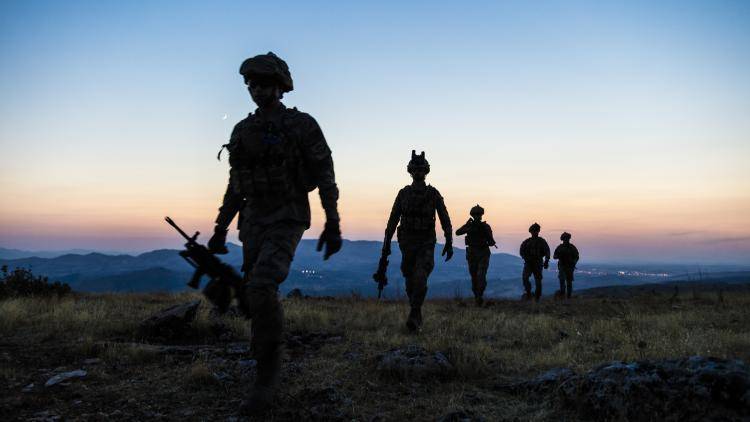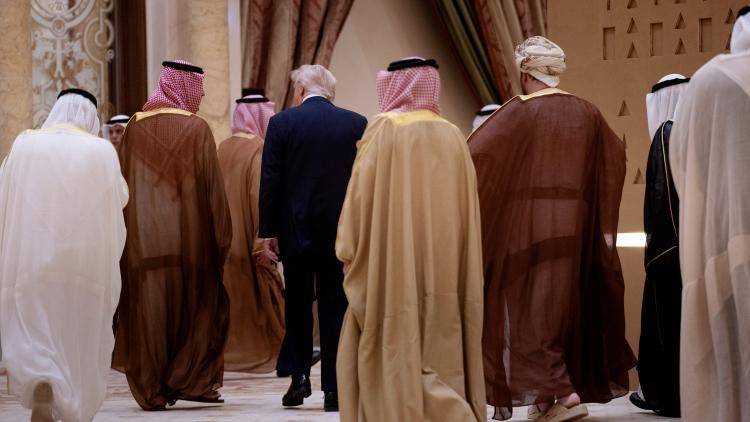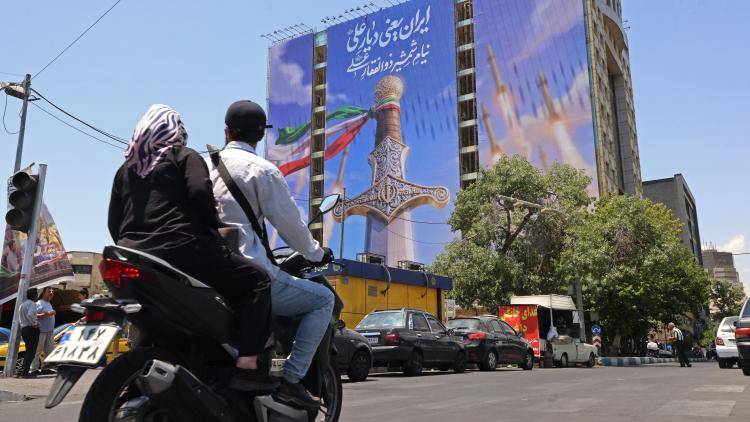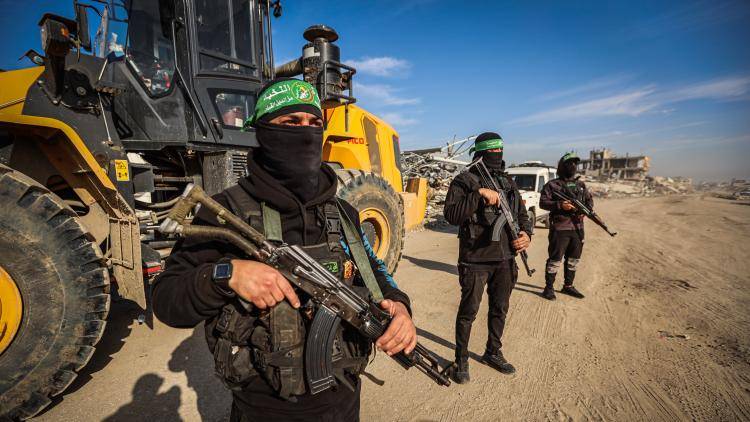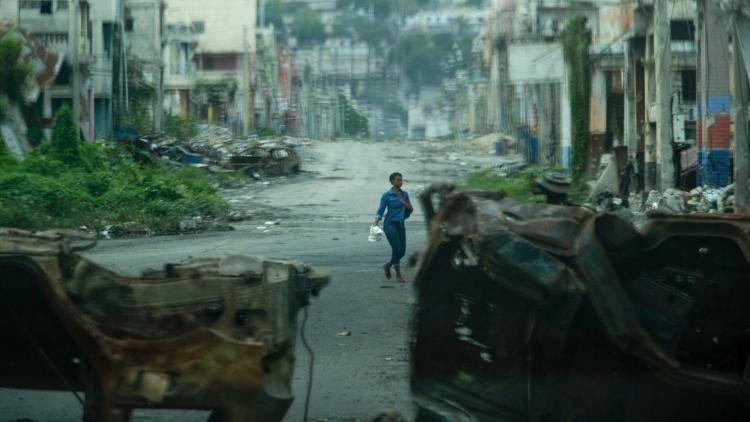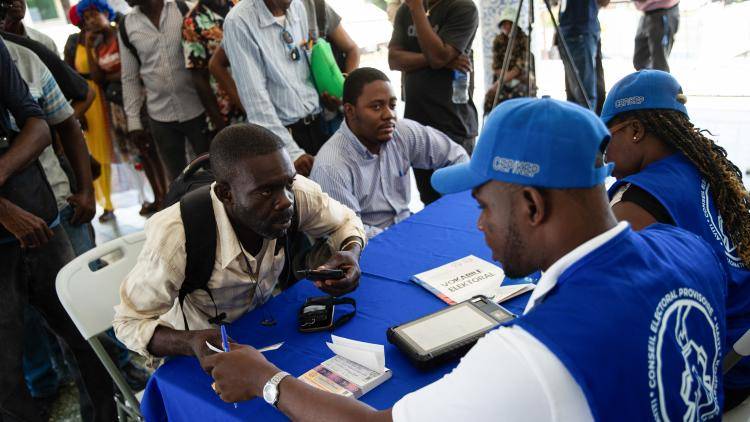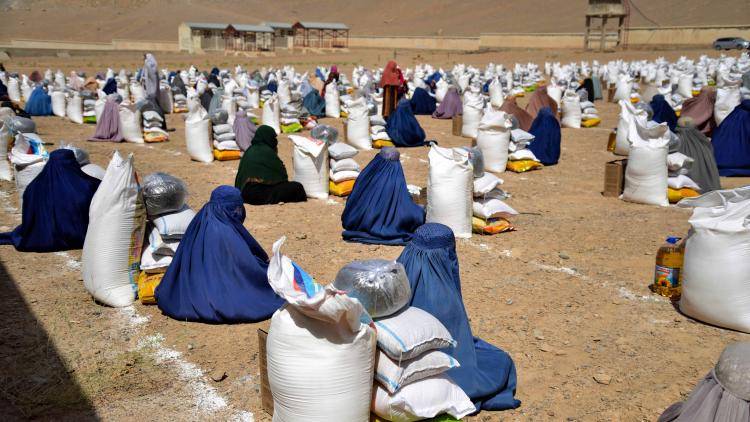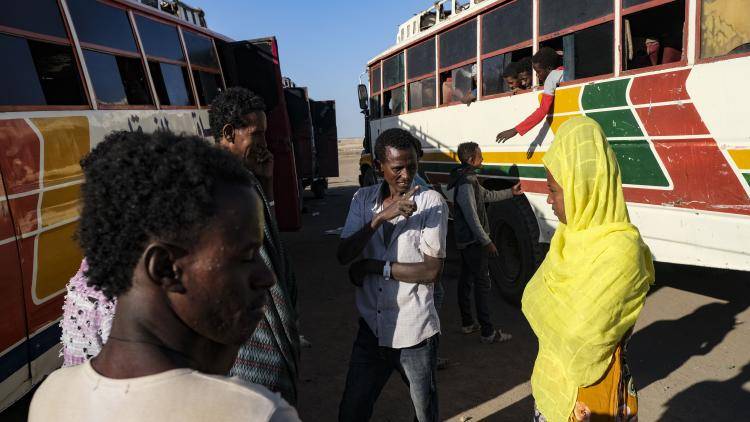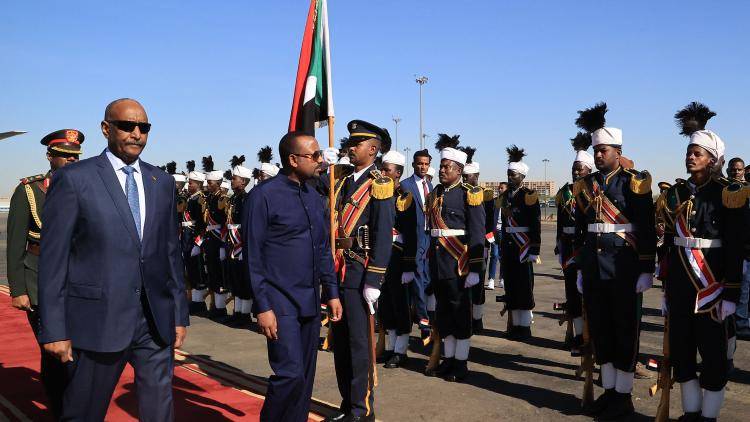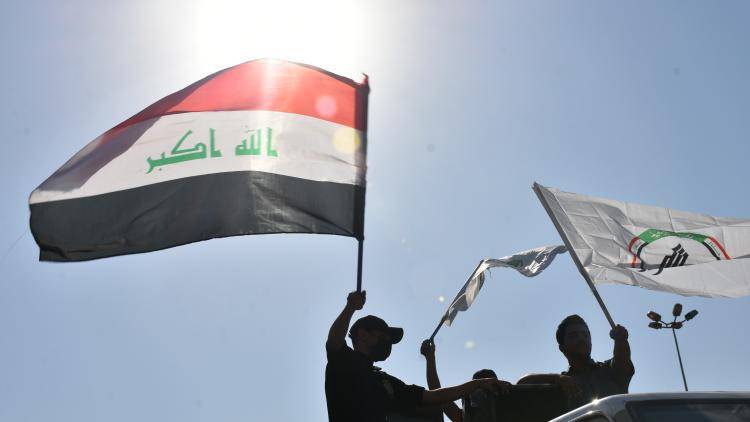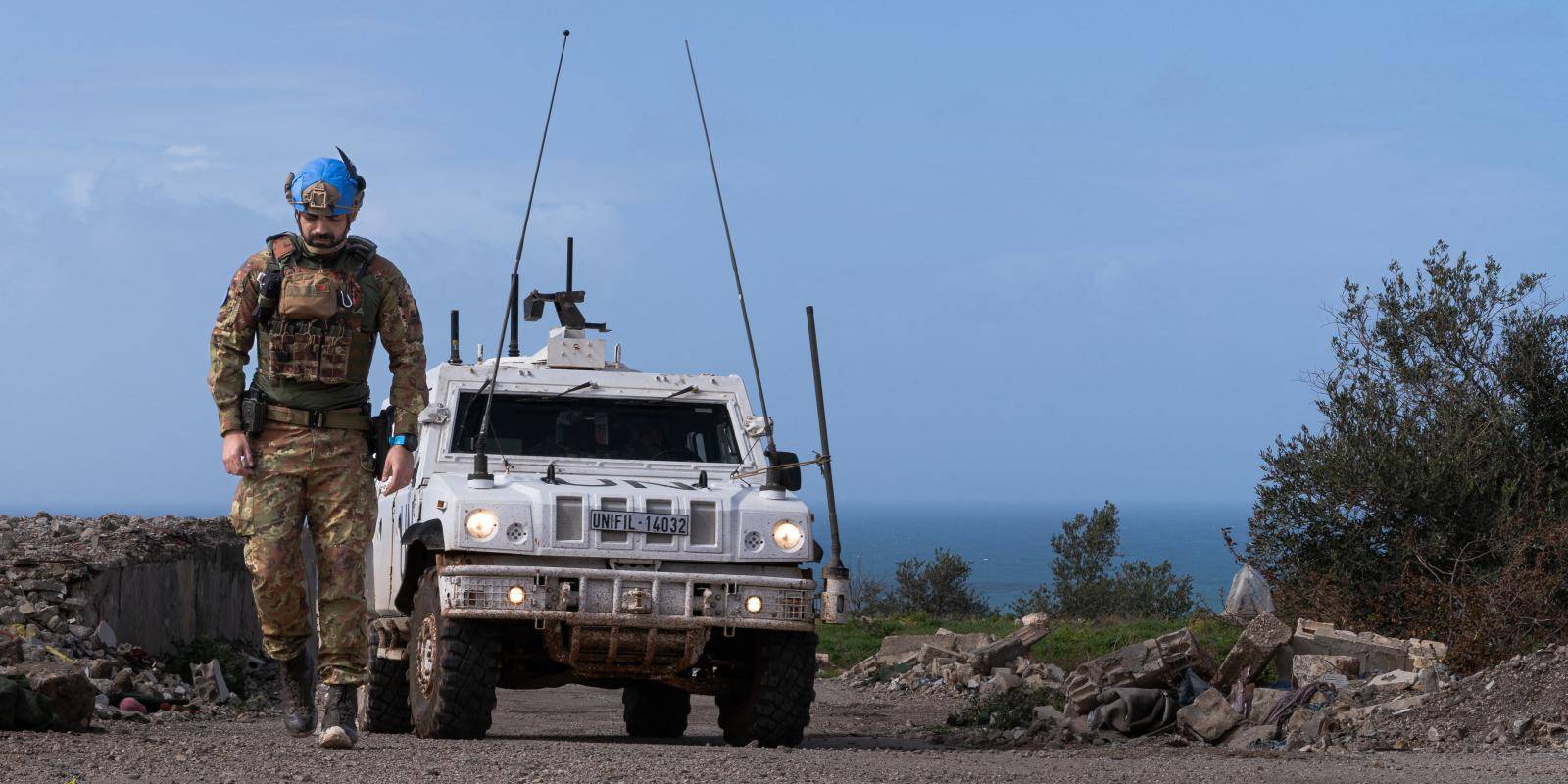
Recent Chatham House analysis examines how international actors can respond to protracted conflicts, support peace processes and strengthen fragile states facing insecurity and political fragmentation. Current work explores the effectiveness of multilateral institutions like the UN, humanitarian challenges in crises such as Haiti, and regional efforts to reduce conflict in the Middle East. Key publications include What Haitians want from the next phase of UN and international support.
Chatham House’s International Law Programme, Middle East and North Africa Programme, Latin America Programme and others all contribute expertise on how governments and institutions can respond to contemporary crises.